Counting for Toddlers: Unlock Stunning Early Math Skills Effortlessly
In the ever-evolving landscape of early childhood education, equipping toddlers with essential foundational skills can give them a significant head start. One critical area where parents and educators can focus is counting for toddlers, a vital component of developing early math skills. By introducing young children to numbers in engaging and playful ways, we can foster a love for learning and pave the way for future academic success.
Why Counting for Toddlers is Crucial
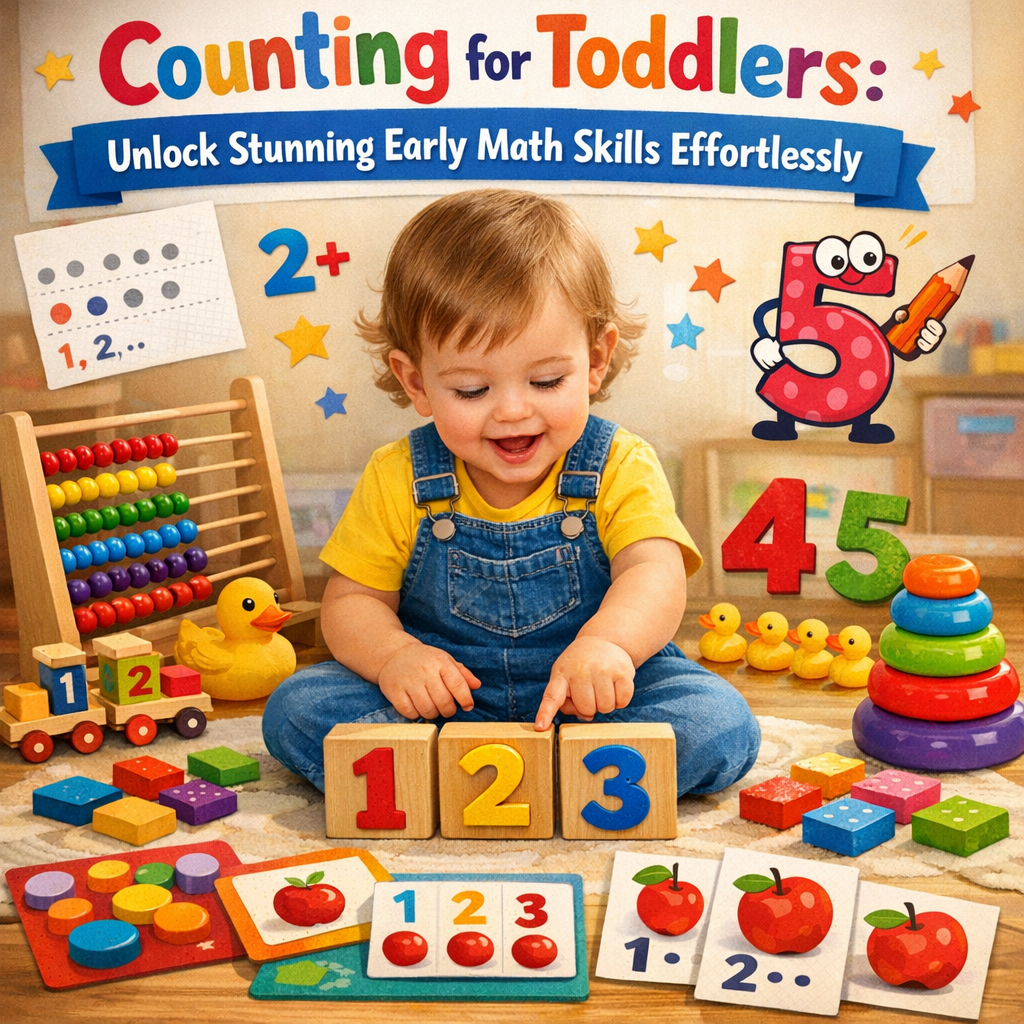
Counting for toddlers is not just about reciting numbers in order; it’s about developing a deep understanding of numerical concepts. Engaging children in counting activities helps them recognize patterns, understand quantities, and build the confidence needed to tackle more complex mathematical problems in later years.
Benefits of Early Math Skills Development
– Cognitive Development: Early math skills boost cognitive abilities, improving a child’s problem-solving and logical reasoning.
– Language Skills: Discussing numbers and quantities enhances vocabulary and communication abilities.
– Social Interaction: Group counting activities encourage cooperation and teamwork.
– Preparation for School: Early exposure to numbers prepares toddlers for the structured learning environment of a classroom.
Effective Strategies for Teaching Counting to Toddlers
1. Integrate Counting into Daily Routines
Incorporating counting into everyday activities makes it a natural and enjoyable part of a toddler’s life. Encourage counting during:
– Meal Times: Count the number of plates, utensils, or food items on the table.
– Bath Time: Count bath toys or the number of bubbles.
– Walking or Driving: Count steps, cars, or trees along the way.
2. Use Play-Based Learning
Young children learn best through play. Use toys and games to make counting fun:
– Building Blocks: Count blocks as you stack them.
– Counting Songs: Sing songs that incorporate numbers, such as “Five Little Ducks” or “Ten in the Bed.”
– Interactive Apps: Consider technology, such as the Brain Baba Kids Learning App, which engages toddlers in counting through interactive play.
3. Storytime with Numbers
Choose children’s books that focus on numbers and counting. Books can present numbers visually and contextually, helping toddlers make connections between the number and its representation.
– Counting Books: Choose stories that are rich in numbers and counting sequences.
– Interactive Reading: Ask your child to point to and count pictures or objects on the pages.
4. Hands-On Activities
Engage toddlers with tactile and engaging counting exercises:
– Craft Projects: Use stickers or stamps to count and create patterns.
– Nature Walks: Collect leaves, stones, or flowers and count them together.
– Cooking Together: Measure ingredients and count scoops or cups.
5. Digital Learning Tools
Digital tools can offer varied and dynamic ways for teaching numbers:
– Educational Apps: Apps like Brain Baba Kids Learning App offer a captivating way to learn numbers through games and interactive sessions. Download the app for kids to explore more interactive content.
– Online Videos: Use educational videos that focus on counting, ensuring they are age-appropriate.
Creating a Counting-Friendly Environment at Home
To foster a conducive learning environment, make numbers a visible and integral part of your home.
1. Number Displays
– Number Posters: Hang posters with numbers in your child’s room or play area.
– Magnetic Numbers: Place magnetic numbers on your fridge for impromptu counting sessions.
2. Engaging Toys and Games
Select toys that encourage counting:
– Puzzles and Board Games: Choose ones that require counting steps or pieces.
– Sorting Games: Use colored beads or buttons to count, sort, and create patterns.
3. Calendar and Clocks
Introduce calendars and clocks to familiarize toddlers with numbers in everyday life.
– Count Days: Mark special days and count down or up to them.
– Time Telling: Use a simple clock to introduce basic concepts of time.
Monitoring Progress and Adjusting Techniques
1. Observing Developmental Milestones
Track your child’s progress with age-appropriate milestones:
– Recognizing Numerals: By age two, many toddlers start recognizing numerals.
– Counting Objects: By three, children often begin counting small sets of objects.
2. Adjust Strategies as Needed
If a particular strategy doesn’t resonate with your toddler, don’t hesitate to switch approaches. Every child learns differently.
Community and Professional Resources
Engaging with broader resources can offer fresh insights and support:
1. Parent Groups and Forums
Join local or online parenting groups to share experiences and gather new ideas for teaching counting.
2. Educator Workshops
Participate in workshops or classes focused on early childhood math skills.
3. Consulting with Educators
Engage with preschool teachers for tailored advice and strategies.
Common Challenges and Solutions
While teaching counting to toddlers, you might face a few hurdles. Here’s how to overcome them:
1. Short Attention Spans
– Solution: Keep activities short and engaging. Incorporate breaks and vary activities to maintain interest.
2. Differing Learning Paces
– Solution: Tailor activities to your child’s unique pace. Avoid comparisons with peers and focus on individual progress.
3. Reluctance or Frustration
– Solution: Use praise and encouragement. If frustration occurs, take a break and return to the activity later.
FAQ Section
How can I tell if my toddler is ready to start counting?
Typically, toddlers show interest in counting around age two. Look for signs such as curiosity about numbers, mimicry of counting, or the ability to recognize numerals.
What are some simple counting games to play with my toddler?
Games like counting stacking cups, arranging number blocks, or singing counting songs are great starting points. These activities blend learning with fun, ensuring engagement.
How important is it to teach counting before preschool?
Early exposure to counting can enhance cognitive development and readiness for preschool. However, ensure that learning remains fun, and pressure-free, focusing on your child’s interest.
Should I use technology to teach my toddler counting?
Yes, selectively! Educational apps and videos, like those provided by Brain Baba, offer interactive experiences. Ensure screen time is limited and balanced with physical activities.
How can I make counting a daily habit for my child?
Incorporate counting into daily routines, such as mealtimes, play, and shopping. Consistent, casual counting will eventually become a natural part of daily life.
Conclusion
Introducing counting for toddlers is a critical step towards developing early math skills. By incorporating counting into daily routines, utilizing engaging activities, and creating supportive environments, you can ignite a lifelong love for learning in your child. Start today by implementing these strategies and watch as your toddler embarks on an exciting journey of numerical discovery. Explore interactive tools like the Brain Baba Kids Learning App to supplement hands-on learning. Share these insights with other parents or educators and encourage them to join you in nurturing the next generation of young mathematicians. Embrace the journey and enjoy witnessing your child’s growth and achievement in these formative years.