Visual Arts Unlock: Must-Have Boost for Kids’ Creativity
In today’s fast-paced digital world, fostering creativity in children is more important than ever. Visual arts serve as a powerful tool to unlock and nurture kids’ creativity. Encouraging children to explore painting, drawing, and other forms of expression can significantly boost their cognitive development, problem-solving skills, and emotional intelligence. In this comprehensive guide, we will explore the significant role of visual arts in child development and provide actionable insights for parents and educators to harness its potential.
Understanding the Impact of Visual Arts on Child Development
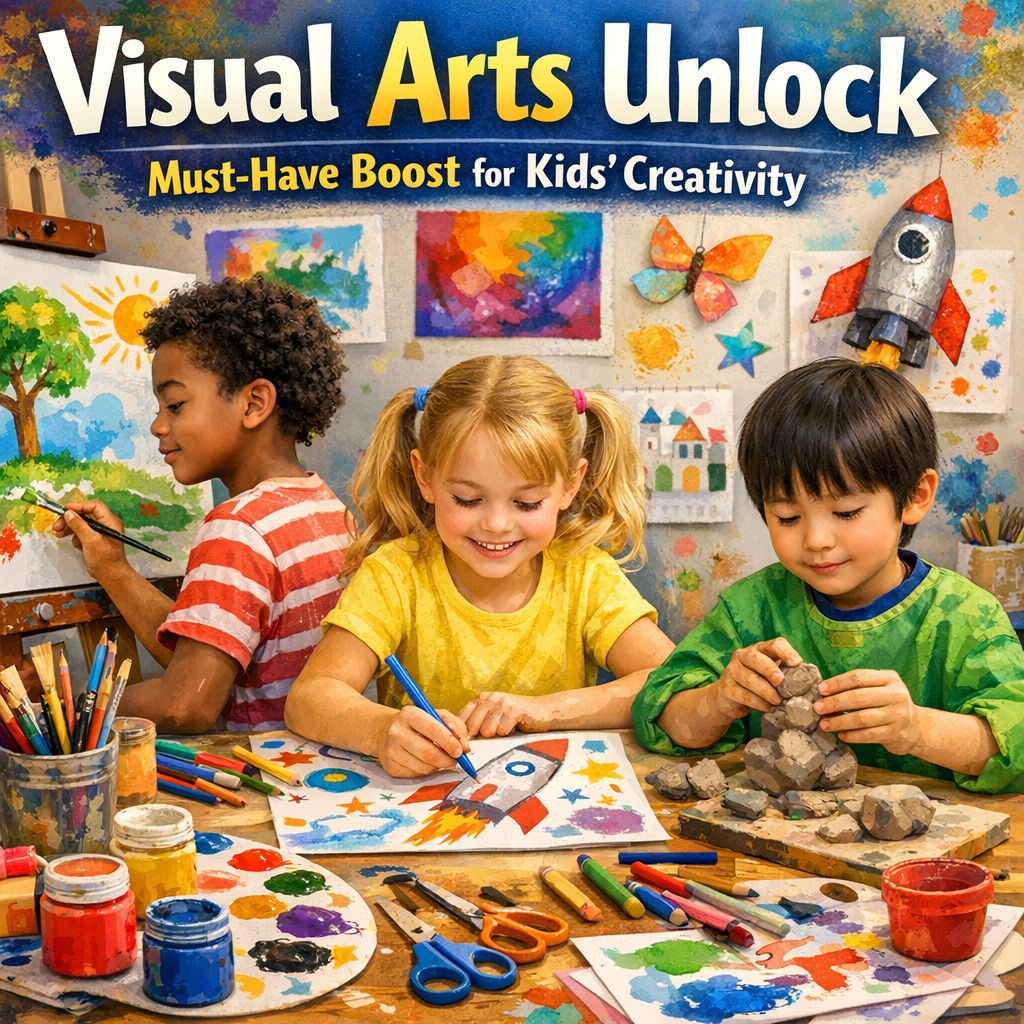
Visual arts are not just about creating aesthetically pleasing pieces; they are an essential part of child development. Engaging children in artistic activities can help them refine fine motor skills, enhance spatial awareness, and promote critical thinking. Studies have shown that children involved in visual arts perform better academically and develop better social skills.
Visual arts stimulate different regions of the brain, leading to improved learning capabilities. When kids engage in art, they are more likely to succeed in diverse areas, including mathematics and literature, as the creative process enhances problem-solving skills and cognitive function.
Key Benefits of Visual Arts
– Enhances Cognitive Abilities: Activities like drawing and sculpting provide complex multisensory experiences that develop neural pathways.
– Boosts Emotional Expression: Art allows kids to express emotions non-verbally, offering an outlet for anxiety and frustrations.
– Improves Academic Performance: Students with arts education engage more actively in school and achieve higher grades.
– Builds Self-Confidence: Completing art projects gives a sense of accomplishment and boosts self-esteem.
Incorporating Visual Arts into Daily Routine
Integrating visual arts into a child’s daily routine need not be difficult or expensive. Parents and educators can create a rich artistic environment by providing simple materials and encouraging imaginative play.
Practical Ways to Introduce Art at Home
1. Set Up an Art Station: Designate a small area with art supplies like paper, crayons, markers, and clay for spontaneous creativity.
2. Daily Drawing Time: Encourage children to draw daily by providing prompts or themes.
3. Art and Storytelling Sessions: Combine art with narrative by asking children to create illustrations that go along with stories.
4. Visit Art Exhibits: Arrange visits to local museums or art galleries to inspire creativity.
5. Include Technology: Utilize apps like the “Brain Baba Kids Learning App” to engage children in digital art activities.
Visual Arts in Education: A Holistic Approach
Incorporating visual arts into educational curriculums provides a holistic approach that balances traditional academic subjects with creative exploration. Arts education should not be an optional extra, but a core part of schools’ offerings.
Developing a Structured Arts Curriculum
– Cross-Disciplinary Projects: Integrate arts into subjects like history or science for a multi-faceted learning experience.
– Focus on Process Over Product: Emphasize the creative process rather than end results to prevent discouragement and promote exploration.
– Art Festivals and Exhibitions: Hold regular art exhibitions where students can showcase their work, providing motivation and appreciation.
Educators can access more resources and ideas for art integration by visiting our “Art in Education” section, offering a wealth of materials and strategies.
Tools and Resources for Enhancing Artistic Skills
Providing children with proper tools and resources significantly impacts their creative journey. Quality supplies and stimulating activities enhance the artistic atmosphere and encourage children to push creative boundaries.
Essential Art Supplies for Home and School
– Basic Supplies: Pencils, crayons, watercolors, brushes, and sketchpads.
– Advanced Materials: Charcoal, oil pastels, acrylic paints for older kids keen on exploring different media.
– Craft Materials: Clay, scissors, glue, and beads for hands-on craft projects.
We have an extensive list of recommended art supplies and reviews in our “Art Supplies Guide” section, ensuring you choose the best options for your child’s needs.
Addressing Common Barriers to Artistic Expression
Many parents and educators face challenges in keeping children motivated and inspired in the realm of visual arts. Overcoming these barriers is essential for sustained engagement and development.
Strategies for Overcoming Challenges
– Time Constraints: Fit art into short bursts rather than long sessions; even 10 minutes of daily art can be beneficial.
– Space Limitations: Create a portable art kit for easy storage and on-the-go creativity.
– Resource Scarcity: Use recyclable materials or digital platforms for budget-friendly options.
To learn more about fostering an artistic environment in small spaces, check out our “Creative Solutions for Small Spaces” article.
Fostering a Long-Lasting Appreciation for Arts
Cultivating a lifelong love for visual arts involves consistent encouragement and exposure to varied art forms. Here are ways to inspire a deeper connection to art.
Encouraging Continued Development
– Join Art Communities: Encourage kids to participate in arts clubs or groups that promote collaborative creativity.
– Follow Online Courses: Many platforms offer free or low-cost children’s art tutorials to explore new techniques.
– Encourage Personal Projects: Facilitate personal projects where children take the lead, fostering independence and creativity.
FAQ Section
How do visual arts improve cognitive development in children?
Visual arts engage multiple brain areas simultaneously, strengthening neural connections. This improved neural efficiency can lead to enhanced problem-solving abilities, better memory, and increased attention to detail.
What are some fun art activities to do at home with limited space?
Consider creating a portable art kit or using digital art apps like the “Brain Baba Kids Learning App,” which can be accessed through an iPad or computer, requiring minimal physical space.
How can educators integrate visual arts into subjects like math or science?
Teachers can introduce cross-disciplinary projects, such as creating geometric designs in math or illustrating scientific concepts, to blend art seamlessly with other subjects.
What if my child shows no interest in traditional forms of art?
Explore alternative mediums such as digital art or crafts with unconventional materials. Visiting art exhibitions or trying out collaborative art projects may also spark interest.
How often should children engage in artistic activities for optimal benefits?
Encourage daily art activities, even for just a few minutes, to establish a routine. Consistency is more important than duration for developing creativity.
Conclusion: Take the Next Step in Enhancing Kids’ Creativity
Visual arts offer an outstanding opportunity to cultivate and enhance kids’ creativity, paving the way for their success across various life domains. By integrating arts into everyday life, at home and in educational settings, we can nurture well-rounded, creative thinkers ready to tackle future challenges. Encourage your child’s artistic pursuits today — set up that art station, join a community, or download the “Brain Baba Kids Learning App” to explore new dimensions of creativity.
For more insights and resources, explore our rich collection of articles and guides available on our platform, and take the first step toward enhancing your child’s creative potential.