Art Expression Boosts Kids’ Mental Health: Discover Remarkable Benefits
In recent years, the correlation between art expression and kids’ mental health has gained considerable attention from educators, parents, and mental health professionals. Engaging in artistic activities is not just a pastime; it is a powerful tool that fosters emotional, cognitive, and social development in children. This comprehensive guide will delve into the myriad ways art expression can enhance mental health in kids, offering practical insights and actionable strategies for parents and educators alike.
The Power of Art in Child Development
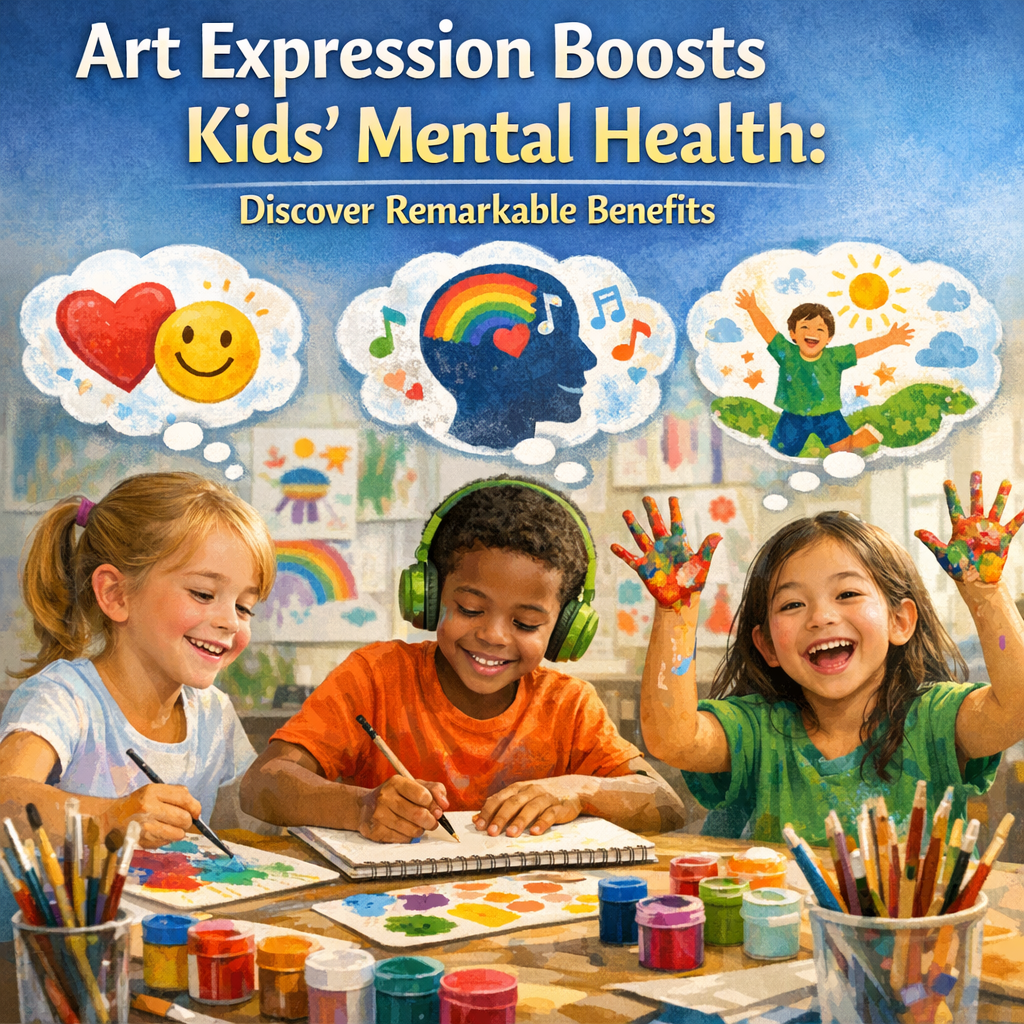
Art expression serves as a pivotal element in child development, promoting creativity and critical thinking. Engaging in drawing, painting, or crafting provides children with a medium to explore their emotions and ideas. Art also encourages problem-solving and adaptability, key components in building resilience.
Emotional Benefits of Art
– Enhances Self-Expression: Art gives children a voice, enabling them to convey feelings that might be difficult to articulate verbally.
– Reduces Anxiety and Stress: The creative process is a natural form of relaxation, helping to lower cortisol levels and induce calmness.
– Improves Mood: By providing a sense of accomplishment and purpose, art can lead to increased happiness and satisfaction.
Cognitive Advantages of Art Engagement
Art expression is not only beneficial for emotional health; it also significantly impacts cognitive development. Through art, children can enhance their memory, concentration, and decision-making skills.
Boosting Cognitive Skills
– Enhancing Memory: Art projects require recalling steps and processes, thereby improving memory retention.
– Increasing Focus: Art tasks often demand sustained concentration, teaching children how to focus better over time.
– Improving Problem-Solving Abilities: Creating art involves planning and executing ideas, fostering analytical thinking.
Social Development Through Art
Art also plays a critical role in social development. Collaborative projects and group art activities teach children essential social skills and empathy.
Fostering Social Skills
– Collaboration and Teamwork: Art projects often entail working in groups, which teaches cooperation and communication.
– Empathy Development: By understanding and interpreting others’ artworks, children learn to appreciate different perspectives.
How Educators Can Incorporate Art in Classrooms
Educators can leverage art to create a supportive learning environment that enhances kids’ mental health. Integrating art into the curriculum doesn’t require drastic changes—simple strides can make a significant difference.
Practical Strategies for Teachers
1. Theme-Based Art Projects: Design projects around themes that resonate with children’s experiences and emotions.
2. Art Journals: Encourage maintaining art journals where kids can express thoughts and emotions creatively.
3. Incorporating Technology: Use digital tools and platforms, like the “Brain Baba Kids Learning App,” to offer diverse art experiences.
Art Therapy: A Professional Approach
Art therapy offers structured guidance to help children explore and heal through creative expression. This approach is particularly effective for children facing trauma or emotional challenges.
Benefits of Art Therapy
– Professional Guidance: Art therapists provide tailored activities to meet individual needs.
– Safe Environment: Children can explore their emotions in a secure and supportive setting.
– Structured Expression: Therapists use art to guide discussions and reflections, fostering emotional insight.
Internal Resources for Parents and Educators
– Building Resilience Through Play: Explore ways that playful activities, including art, contribute to building resilience in kids.
– Encouraging STEM Through Creativity: Understand how art fosters STEM skills by enhancing creativity and innovative thinking.
– Creating Safe Learning Environments: Learn to cultivate safe and inclusive spaces where children can freely express themselves.
How Parents Can Support Artistic Expression at Home
Parents play an integral role in fostering art expression to boost kids’ mental health. Creating an encouraging and resourceful environment at home can make all the difference.
Ways to Encourage Art at Home
– Designate a Creative Space: Allocate a specific area where children can freely engage with art materials.
– Provide a Variety of Materials: Ensure access to diverse art supplies like paints, crayons, and clay.
– Celebrate Artistic Efforts: Praise and display children’s artwork to boost self-esteem and motivation.
Addressing Common Concerns
While many parents and educators recognize the benefits of art, some concerns may arise regarding the practicality and effectiveness of integrating art activities.
FAQs on Art Expression and Kids’ Mental Health
Q1: Is art expression suitable for all children?
A1: Absolutely. Art can be adapted to fit any child’s interests and abilities, making it an inclusive practice that benefits all learners.
Q2: How often should children engage in art activities?
A2: Regular engagement, at least a few times a week, is ideal for reaping the mental health benefits. However, the frequency can be adjusted based on individual schedules and interests.
Q3: Can digital art provide the same benefits as traditional methods?
A3: Yes, digital art can offer similar cognitive and emotional benefits. Apps like the “Brain Baba Kids Learning App” provide interactive and modern platforms for creativity.
Q4: What if my child isn’t interested in art?
A4: Explore different forms of art—like music, dance, or drama—to find what resonates. Often, experimenting with various mediums can spark interest.
Q5: Can art expression help with specific mental health issues?
A5: While art can support general emotional well-being, specific concerns may benefit from professional art therapy for targeted guidance.
Conclusion: Nurture Creativity for Mental Wellness
Art expression is an invaluable tool that goes beyond developing artistic skills; it cultivates mental well-being, resilience, and empathy. By integrating art in both educational settings and at home, we can nurture a generation of emotionally intelligent and mentally healthy children. Explore tools like the Brain Baba Kids Learning App to enhance art experiences and contribute to lifelong benefits.
Join the movement to promote art expression among children, and witness the remarkable transformation in their mental health and overall development. Let’s commit to fostering creativity as a pathway to emotional and cognitive growth.