How to Handle Disappointment and Foster Resilient Kids with Proven Techniques
In a world filled with constant changes and challenges, knowing how to handle disappointment is crucial for developing resilient kids. Children who learn to manage setbacks gracefully are better equipped to face future obstacles. As parents and educators, it’s vital to provide children with the skills and strategies to navigate disappointments effectively.
Understanding Disappointment and Resilience in Kids
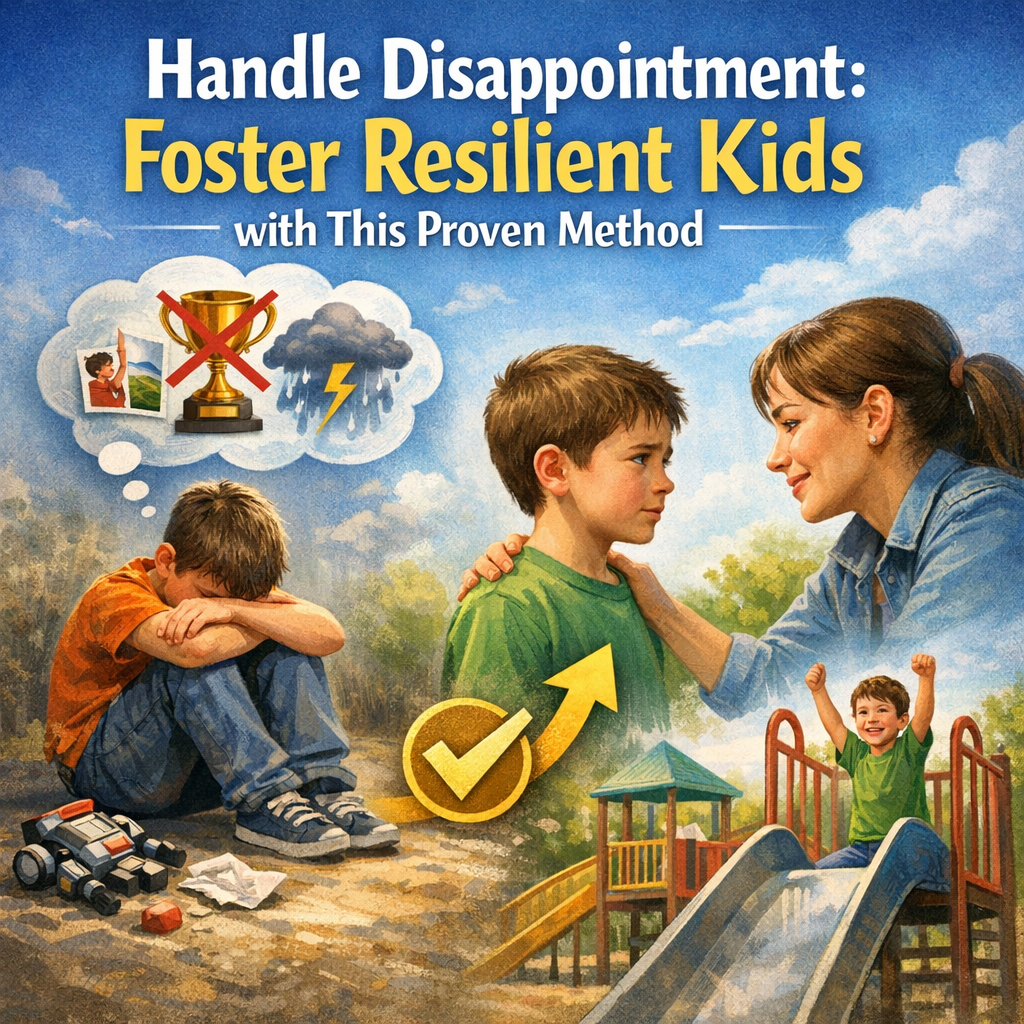
What is Disappointment?
Disappointment is an emotional response to unmet expectations. It is a natural part of life and a critical aspect of emotional development. Children might experience disappointment in various situations, whether it’s not winning a game, not receiving a desired gift, or feeling left out in social settings.
Why Resilience Matters
Resilience is the ability to bounce back from setbacks. Resilient kids can adjust to adversity, recover quickly from challenges, and continue to pursue their goals. Developing resilience is essential for:
– Enhancing emotional well-being
– Building self-confidence
– Promoting problem-solving skills
Encouraging resilience isn’t just about overcoming disappointment; it’s about fostering a positive mindset that empowers children to navigate life’s complexities.
Proven Techniques to Build Resilience in Children
1. Encourage Open Communication
Open communication creates a safe environment where kids can express their feelings and thoughts. Here’s how to encourage open dialogue:
– Listen Actively: Give your undivided attention, showing empathy and understanding.
– Validate Emotions: Acknowledge and validate their feelings without judgment. Phrases like “It’s okay to feel upset” can be reassuring.
– Ask Open-Ended Questions: Encourage deeper conversation with questions like “What happened?” or “How did that make you feel?”
For further reading on fostering open communication, explore Our Guide to Communication Skills in Parenting.
2. Teach Problem-Solving Skills
Problem-solving is an integral part of handling disappointment. Encourage kids to:
– Identify the Problem: Break down the issue to understand the root cause.
– Brainstorm Solutions: Encourage creative thinking by exploring different outcomes.
– Evaluate Options: Guide them in weighing the pros and cons of each solution.
– Implement and Reflect: Encourage them to choose a solution, act on it, and reflect on the results.
A detailed approach can be found in our article on Effective Problem-Solving Techniques for Kids.
3. Model Resilient Behavior
Children learn by observing adults. Demonstrate resilience by:
– Handling Your Own Disappointments Gracefully: Show them how you manage setbacks with optimism.
– Sharing Personal Stories: Relate tales of personal challenges and how you overcame them.
– Focusing on Positivity: Highlight the positives in any situation and encourage a growth mindset.
Learn more about setting a positive example in Our Positive Parenting Guide.
4. Build Emotional Awareness
Emotional awareness helps children recognize and label their emotions. Consider these activities:
– Mood Thermometer: Use a visual tool to help kids express how they feel at any given moment.
– Emotion Journals: Encourage keeping a journal to jot down daily experiences and emotions.
– Role-Playing: Recreate scenarios to help them understand and deal with various emotions.
5. Encourage Growth Through Challenges
Sometimes, gentle exposure to challenges can help build resilience. Here’s how:
– Set Achievable Goals: Break down tasks into manageable steps.
– Celebrate Small Victories: Recognize effort and accomplishment, reinforcing positive behavior.
– Promote Independence: Encourage initiative and decision-making.
6. Teach Mindfulness and Relaxation Techniques
Mindfulness can significantly boost resilience by promoting emotional balance. Techniques include:
– Deep Breathing: Simple breathing exercises to calm the mind.
– Guided Imagery: Use visualization to promote relaxation.
– Yoga and Meditation: Regular practice can strengthen focus and emotional regulation.
You might consider the Brain Baba Kids Learning App to explore mindfulness activities designed for kids.
7. Create a Supportive Environment
Support from family and community is vital. A nurturing environment involves:
– Providing Consistent Routines: Stability can enhance a child’s sense of security.
– Building Strong Relationships: Encourage friendships and family bonds.
– Engaging in Community Activities: Participate in local events to strengthen social connections.
FAQs About Handling Disappointment and Building Resilience
How can I help my child deal with disappointment without shielding them too much?
Balance is key. Allow them to experience disappointments naturally while offering guidance in managing emotions. By doing so, children learn invaluable coping skills.
What should I do if my child seems excessively upset by small disappointments?
Encourage open communication to explore underlying emotions and consider consulting a child psychologist if needed. Building emotional awareness can uncover deeper issues.
How often should I talk to my child about resilience?
Integrate resilience-building conversations into everyday interactions. Consistency reinforces positive behavior and emotional growth.
Can mindfulness exercises really help my child become more resilient?
Absolutely. Mindfulness cultivates focus and stress management, empowering children to handle challenges with a balanced perspective.
Are there specific books or resources you recommend for building resilience in kids?
Yes! Explore children’s literature focused on resilience, such as tales of overcoming challenges, for both educational and entertaining reading.
Conclusion: Empowering Resilient Future Generations
Incorporating these proven techniques into everyday life will equip your children with the tools needed to handle disappointment effectively. Fostering resilience is a lifelong skill that empowers them to face challenges with confidence and grace.
Encourage continued growth and exploration by downloading the Brain Baba Kids Learning App, which is filled with resources and activities to support your child’s development.
By investing time and effort in cultivating these resilience-building strategies, parents and educators can nurture a generation of confident, adaptable, and thriving individuals.