Teaching Responsibility: Must-Have Chores for Kids that Work Effortlessly
Introducing responsibility early on can profoundly impact a child’s development and character. Teaching responsibility is one of the best gifts parents can give their children, instilling a sense of purpose, ownership, and capability. In this article, we explore must-have chores for kids that not only work effortlessly but also contribute to nurturing responsible and independent individuals.
Why Teaching Responsibility Matters
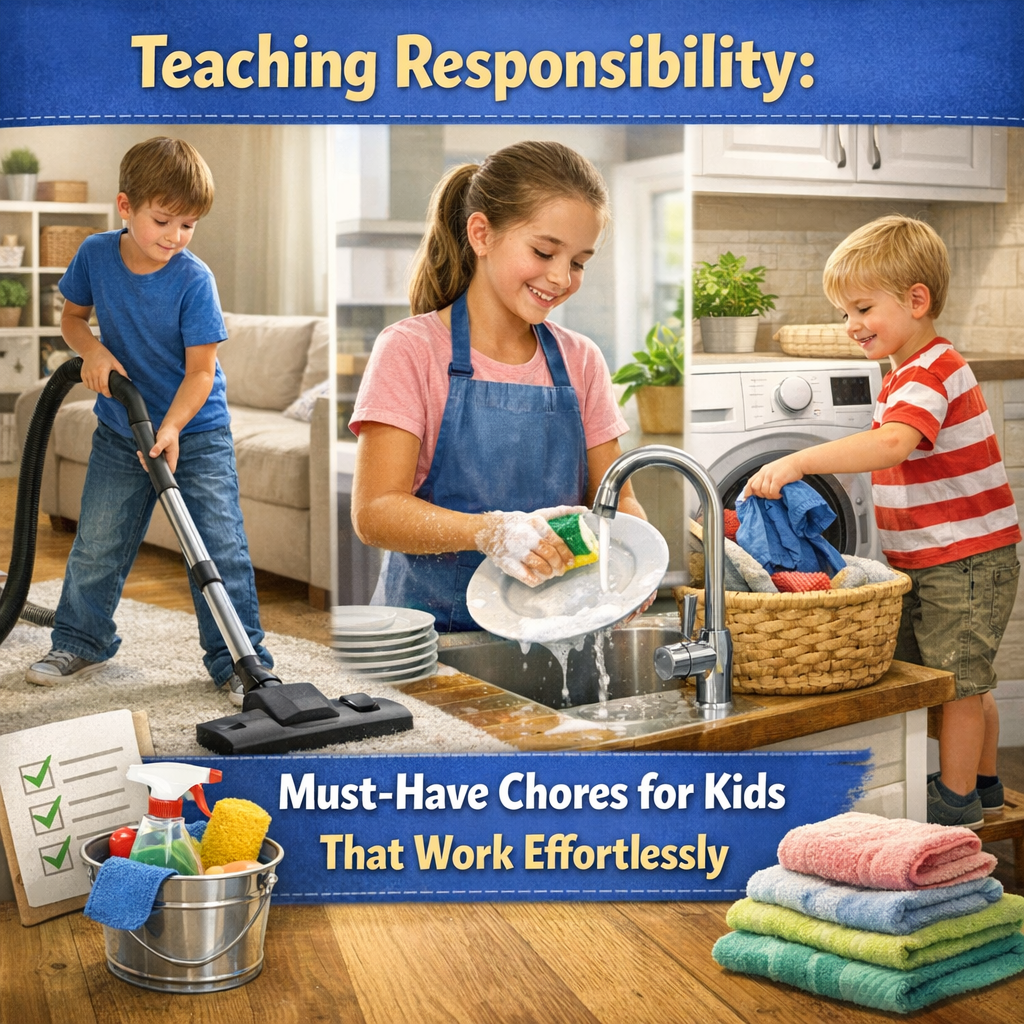
Teaching responsibility to children is essential for several reasons. It fosters independence, enhances problem-solving abilities, and prepares them for adult life. Moreover, when kids engage in chores, they learn valuable life skills and develop a stronger work ethic. Here’s why responsible habits are crucial:
– Independence: Encourages self-reliance and boosts confidence.
– Work Ethic: Instills a sense of duty and commitment.
– Life Skills: Engages children in everyday tasks, enhancing their practical skills.
– Problem Solving: Develops their ability to tackle challenges effectively.
Moreover, integrating responsibility can significantly improve family dynamics by teaching young ones about teamwork and respect.
Must-Have Chores for Kids by Age Group
Assigning chores based on age and skill level ensures that tasks are both manageable and educational. Below is a breakdown of appropriate chores for various age groups.
Toddlers (Ages 2-4)
At this tender age, toddlers are naturally eager to help. While they may not perform tasks perfectly, the exposure to responsibility is critical.
– Toy Organization: Teach them to put toys back in their designated spots.
– Basic Dusting: Give them a dusting cloth for simple surfaces.
– Watering Plants: Show them how to gently water indoor plants.
Tips for Toddlers:
– Use praise to reinforce positive behavior.
– Keep tasks simple and brief.
Preschoolers (Ages 4-6)
As children grow, they can handle more complex chores while understanding their roles within the family.
– Setting the Table: Involve them in placing napkins and utensils.
– Feeding Pets: Encourage them to measure and serve pet food.
– Simple Sorting: Teach them to sort laundry by color.
Tips for Preschoolers:
– Introduce chore charts to visualize tasks.
– Provide encouragement and assistance when needed.
School-Aged Children (Ages 7-11)
With enhanced cognitive abilities, school-aged kids can handle more responsibility and work on time-management skills.
– Taking Out the Trash: Assign them the task of collecting and disposing of waste.
– Room Tidiness: Encourage regular cleaning and decluttering of their rooms.
– Meal Preparation: Involve them in simple cooking tasks, such as sandwich-making.
Tips for School-Aged Children:
– Use incentives like extra screen time to motivate them.
– Adapt chores as they acquire new skills.
Adolescents (Ages 12 and Above)
Teenagers are on the brink of adulthood and can handle complex chores, preparing them for independence.
– Household Laundry: Teach them to wash, dry, fold, and organize clothes.
– Cooking Meals: Allow them to plan and prepare meals weekly.
– Yard Work: Assign mowing, raking, and seasonal landscaping tasks.
Tips for Adolescents:
– Encourage autonomy and trust in their abilities.
– Discuss the importance of responsibility in the real world.
Making Chores Fun and Engaging
To ensure that chores remain a positive experience, it is vital to make them fun and engaging for children.
Gamification of Chores
Introduce a challenge or reward system. Develop a chore chart with points or stickers, encouraging friendly competition among siblings. Achieving a certain number of points could lead to rewards, such as a day out or a special treat.
Role-Playing
Younger children particularly enjoy role-playing scenarios where they perform chores in creative and imaginative ways. Turn vacuuming into an adventure or folding laundry into a race against time.
Involving Technology
Incorporating technology can also enhance the engagement levels of chores. Leverage apps or tools to remind and track chorale completion. For younger children, the “Brain Baba Kids Learning App” offers interactive learning experiences that align with educational objectives.
Nurturing Responsibility with Technology
In today’s digital age, leveraging technology can enhance your child’s learning experience and foster responsibility.
Educational Apps
Numerous apps are available that provide structured tasks, reminders, and rewards for completed chores. Apps like “Brain Baba Kids Learning App” not only enhance academic skills but also introduce children to structured routines.
Parental Controls and Timers
Utilize timers to designate periods for chores and free time. Parental control apps can help manage screen time, ensuring that chores take precedence over digital distractions.
Shared Family Calendars
Introduce chore schedules via shared family calendars. Tools like Google Calendar allow family members to manage and modify chores, fostering teamwork and collaboration.
Internal links:
– Discover the importance of Routine Building for balanced development.
– Explore effective ways to Teach Life Skills through everyday activities.
– Enhance your child’s cognitive abilities with our guide on Encouraging Problem-Solving Skills.
Understanding the Importance of Consistency
Consistency is crucial when teaching responsibility through chores. Regular routines help children internalize tasks and understand their roles within the family structure.
Establishing Routines
Develop a daily or weekly routine that aligns with your family’s schedule. Consistent timings for chores ensure children understand their daily responsibilities.
Clear Expectations
Clearly communicate expectations, using a list or chart placed in a visible area. Children need to know what is expected of them to perform tasks effectively.
Regular Check-Ins
Schedule regular family meetings to discuss chore progress, address challenges, and adjust tasks as needed. Encourage feedback to ensure tasks remain fair and age-appropriate.
Overcoming Challenges in Teaching Responsibility
Introducing chores can pose challenges. However, with strategic approaches, these hurdles can be successfully overcome.
Dealing with Resistance
Resistance, especially from older children or teens, is common. Address these challenges through communication. Engage them in decision-making regarding chore assignments.
Balancing Schoolwork and Chores
Ensure a healthy balance between schoolwork and household duties. Be understanding of their academic commitments while emphasizing the importance of contributing to the household.
Adapting to Individual Needs
Recognize that each child is unique. Customize chores based on their abilities and interests to keep them motivated and engaged.
Conclusion and Call-to-Action
Teaching responsibility through chores is a powerful tool in raising well-rounded and competent individuals. By integrating age-appropriate tasks and making them engaging, you lay a foundation for personal growth and independence.
Empower your children today by incorporating these must-have chores into their routine. Encourage learning and development by utilizing educational resources like the “Brain Baba Kids Learning App” to reinforce lessons of responsibility and skill-building.
For more insights on fostering growth and learning in children, explore our related articles on routine building and life skills education.
Frequently Asked Questions (FAQs)
What age should I start assigning chores to my child?
You can start as early as age two with simple tasks. Tailor chores to match their developmental stage and abilities to ensure they remain age-appropriate.
How do chores help in teaching responsibility?
Chores teach responsibility by fostering independence, enhancing problem-solving skills, and instilling a strong work ethic. They also prepare children for real-world challenges.
What if my child resists doing chores?
If resistance occurs, engage in open communication. Discuss their dislikes and preferences regarding chores. Offer choices, rewards, or gamify tasks to increase motivation.
How do I balance chores with my child’s schoolwork?
Balance is key. Allocate a manageable amount of chores, keeping academic responsibilities in mind. Communicate openly about priorities and adjust as necessary.
Can technology aid in assigning or tracking chores?
Yes, technology can be instrumental. Use chore-tracking apps or shared family calendars for structured routines. Apps like “Brain Baba Kids Learning App” can further enhance responsibility and learning.
By implementing these strategies, you can effectively teach your children the invaluable skill of responsibility, guiding them towards a successful and independent future.