Understanding Child Safety: Must-Have Tips for Teaching Positive Personal Boundaries
In today’s ever-evolving world, ensuring child safety and understanding personal boundaries is more crucial than ever. As parents and educators, it is vital to equip children with the knowledge and skills to protect themselves while fostering a sense of independence and confidence. This article delves into essential strategies and actionable tips for teaching children about personal boundaries, ensuring their well-being and security.
Why Child Safety and Personal Boundaries Matter
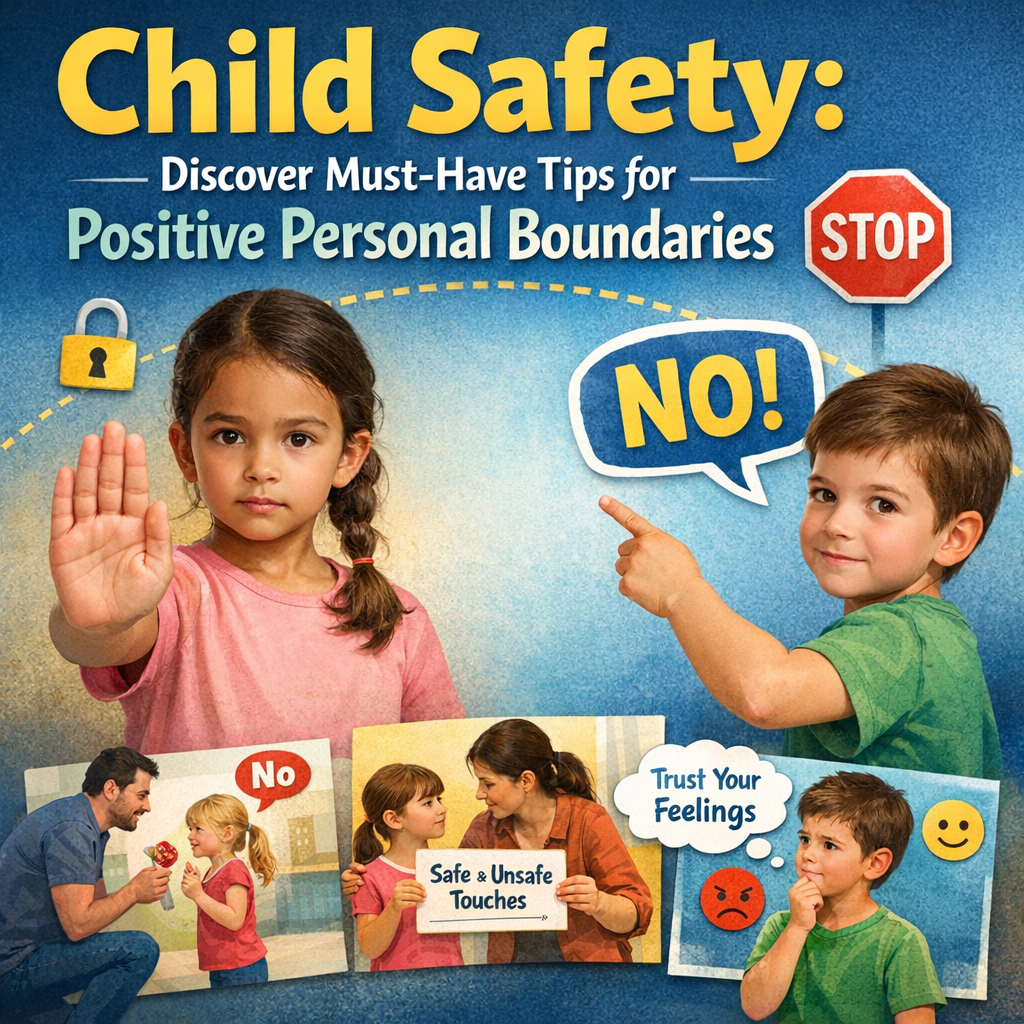
The Importance of Early Education
Educating children about safety and boundaries isn’t just about physical protection; it’s about instilling confidence, self-awareness, and respect for themselves and others. Early education in these areas lays the foundation for healthier relationships and decision-making skills that children will carry into adulthood.
Building Strong Foundations
Setting up a secure framework at home and in educational settings is imperative. Children who understand their personal boundaries are less likely to experience bullying and more likely to report uncomfortable situations. This preventive approach not only enhances their safety but also supports their emotional development.
Essential Strategies for Teaching Personal Boundaries
1. Establish Open Communication
Encourage open dialogue with children from a young age. Create an environment where they feel safe discussing their feelings and experiences.
– Daily Conversations: Initiate daily check-ins to learn about your child’s day.
– Active Listening: Practice active listening to reinforce their sense of importance and understanding.
Having meaningful conversations helps children articulate their boundaries clearly.
2. Introduce Boundaries through Play
Play is a powerful medium for teaching children about boundaries in a way they can easily understand and accept.
– Role-Playing Games: Use role-play to simulate scenarios where children can practice setting and respecting boundaries.
– Storytelling: Share stories that illustrate boundary-setting and reinforce positive outcomes.
This method makes learning engaging and less daunting for young minds.
3. Teach Consent and Respect
Understanding consent is central to maintaining personal boundaries. Encourage children to ask for permission and respect others’ boundaries.
– Model Behavior: Demonstrate consent through everyday interactions.
– Respect Personal Space: Teach the concept of personal space in both physical and emotional contexts.
By integrating these principles early, children learn the importance of mutual respect.
4. Technology and Online Safety
With increasing digital exposure, understanding online safety is critical. Educate children about maintaining boundaries in the virtual world.
– Internet Guidelines: Set clear rules on internet usage and online interactions.
– Privacy Awareness: Discuss the significance of keeping personal information confidential.
These steps help protect children from cyberbullying and online predators, contributing to their overall digital literacy.
Incorporating Personal Boundaries into Education
1. Curriculum Integration
Schools can play a significant role by incorporating boundary education into their curriculum.
– Workshops and Seminars: Organize workshops focused on personal boundaries and safety.
– Interactive Activities: Implement interactive activities that foster situational learning and ethical decision-making.
Such programs enrich children’s understanding and prepare them for real-world situations.
2. Empowering Educators
Training educators to recognize signs of boundary violations and communicate effectively about safety is vital.
– Professional Development: Offer ongoing training sessions focusing on personal boundary education.
– Resource Accessibility: Provide educators with resources and tools to effectively teach these concepts.
By empowering teachers, schools create a supportive and informed community for children.
Tools and Resources for Parents and Guardians
1. Books and Learning Materials
There are numerous age-appropriate books and resources available to help children learn about personal boundaries.
– Children’s Books: Introduce books that discuss boundaries in a relatable and child-friendly manner.
– Interactive Apps: Research and utilize educational apps that reinforce these themes, such as the Brain Baba Kids Learning App.
Utilizing diverse materials caters to various learning styles and preferences.
2. Community Support
Leverage community resources and support systems to enhance learning and safety.
– Support Groups: Join parent groups focused on child safety and boundary education.
– Local Workshops: Attend community-led workshops that offer valuable insights and advice.
Engaging with a community fosters an environment of shared learning and collective responsibility.
Frequently Asked Questions
What age should I start teaching personal boundaries?
Begin teaching personal boundaries when your child is a toddler. Simple concepts like privacy and personal space can be introduced early and expanded upon as children grow.
How can I reinforce boundary education at home?
Maintain an ongoing dialogue about personal boundaries. Use everyday situations to discuss respecting oneself and others, and provide positive reinforcement when boundaries are respected.
Are there warning signs of poor boundary understanding?
Children with unclear boundaries may frequently experience conflicts or be unable to express discomfort in certain situations. Observing changes in behavior can help identify areas where they need support.
How can schools contribute to teaching personal boundaries?
Schools can create comprehensive programs that integrate boundary education across different subjects. This holistic approach normalizes the conversation around boundaries and emphasizes its importance.
Why is digital boundary education important?
Teaching children digital boundaries is crucial to protect them from online threats and foster responsible digital citizenship. This includes learning about privacy settings, recognizing cyberbullying, and managing screen time.
Conclusion
Inculcating a sense of child safety through effective education on personal boundaries is a cumulative effort that involves parents, educators, and the community. By imparting these essential skills, we not only ensure children’s safety but also empower them to navigate the complexities of interpersonal relationships with confidence and respect.
For more guidance on engaging educational resources, consider exploring the Brain Baba Kids Learning App, which offers interactive learning experiences tailored for children. Take the first step by fostering a safe, supportive environment where dialogue around personal boundaries is encouraged and celebrated.