Kindergarten Prep: Discover Effortless Secrets for Best School Readiness
As a parent or educator, ensuring children are ready for their first days of school can feel daunting. Kindergarten prep involves a holistic approach focusing on social, emotional, and academic readiness, all crucial for a smooth transition. In this article, we will explore effective strategies and resources for optimum school readiness, providing actionable insights to ease your journey.
Understanding Kindergarten Readiness
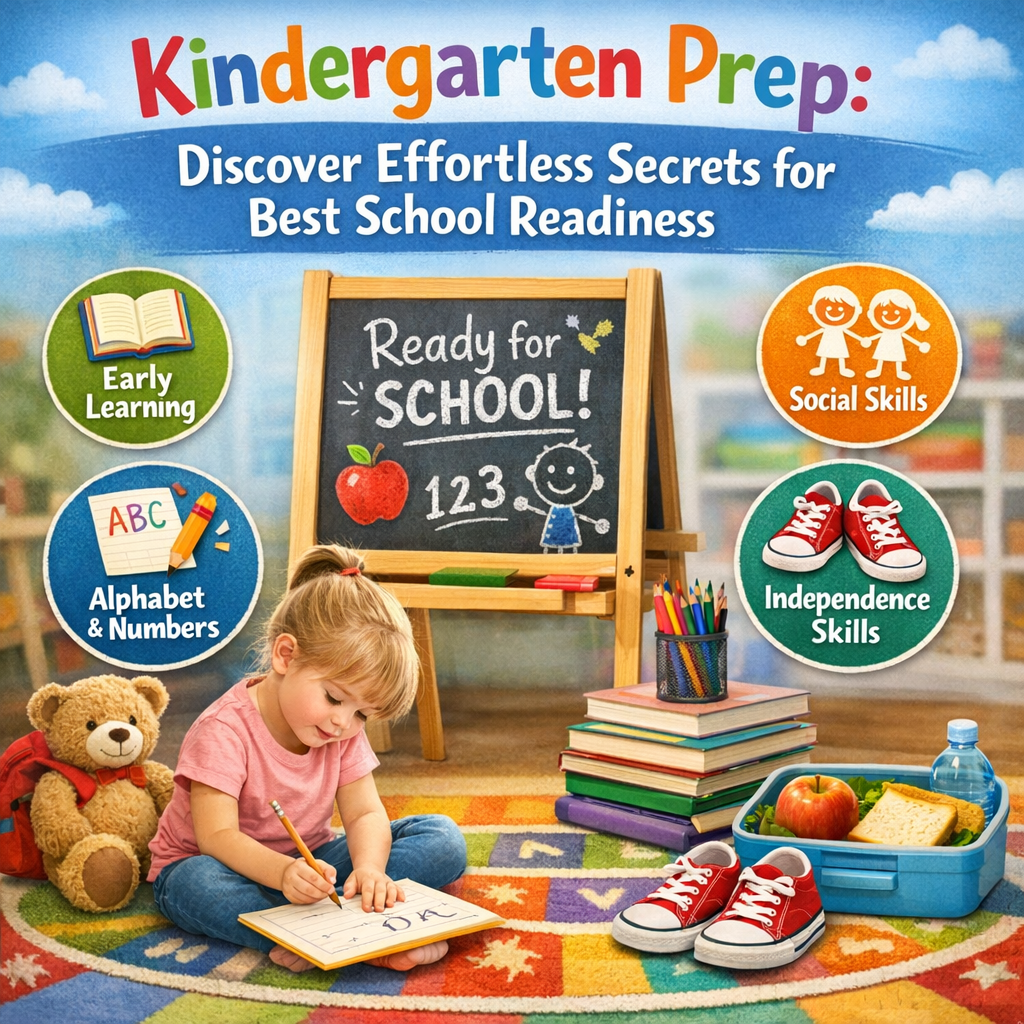
Kindergarten readiness involves more than just recognizing letters and numbers. It encompasses the development of a child’s physical, social, emotional, and cognitive skills. Understanding the comprehensive nature of school readiness will help tailor a child’s educational journey for success.
Cognitive and Academic Skills
These skills are foundational for academic success:
– Letter and Number Recognition: Introduce alphabets and numbers through playful activities.
– Basic Writing and Counting: Encourage writing names and counting objects.
– Problem-Solving: Engage children with simple puzzles to enhance critical thinking.
Social and Emotional Development
Balanced development in these areas sets the stage for thriving in a classroom environment:
– Interpersonal Skills: Encourage playdates and group activities to build social competence.
– Self-Regulation: Teach coping strategies for emotions to help manage stress.
Physical Development
Physical readiness ensures children can handle daily school activities:
– Fine Motor Skills: Activities like coloring and cutting improve dexterity.
– Gross Motor Skills: Sports and physical play build strength and coordination.
Creating a Kindergarten Readiness Plan
A strategic plan can simplify kindergarten prep, making it less overwhelming for children and adults alike.
Assessing Current Skills
Evaluate where the child stands in terms of skills. This can be done informally through play and observation.
– Observe interactions in different settings.
– Test basic skills with fun quizzes or games.
Setting Goals
Establish clear, achievable goals based on the assessment:
– Focus on improving one skill at a time.
– Use a reward system to encourage progress.
Implementing Learning Activities
Incorporate activities that target specific readiness areas:
– Daily Routine Charts: Introduce responsibility and structure.
– Storytelling Sessions: Enhance language and listening skills.
Engaging Learning Tools and Resources
Using educational tools, both digital and physical, can greatly enhance a child’s learning experience.
Books and Educational Materials
Invest in age-appropriate books and learning kits that promote different skills. Libraries and online bookstores are invaluable resources.
Interactive Apps
Apps like the Brain Baba Kids Learning App are excellent for engaging children in interactive learning through play.
Community Resources
Explore local resources such as community centers or library programs where group activities are organized, aiding in social and cognitive development.
The Role of Parents and Educators
Both parents and educators play a critical role in kindergarten prep.
Parental Involvement
– Regular Communication: Stay informed about the child’s school preparation and teachers’ expectations.
– Positive Reinforcement: Celebrate small successes to boost confidence.
Educators’ Support
– Individual Attention: Recognize each child’s unique needs and adjust teaching methods accordingly.
– Create Inclusive Environments: Ensure diverse learning styles and abilities are catered to.
Collaborative Efforts
Foster a cooperative relationship between home and school for a consistent, supportive approach to learning.
Common Challenges and Solutions
Every child faces unique hurdles, but preparation and patience can help overcome these challenges effectively.
Separation Anxiety
Anxiety is common during transitions. Prepare:
– Gradual Exposure: Visit the school beforehand.
– Familiar Objects: Allow children to bring a favorite toy or item for comfort.
Uneven Skill Development
Not all children develop skills at the same rate. Address gaps by:
– Tailored Activities: Focus on strengths while gently improving weaker areas.
– Professional Guidance: Consider consultations with child psychologists or educational experts if concerns persist.
Implementing a Balanced Routine
A consistent routine supports stability and readiness, crucial for young learners.
Morning Routines
Set the right tone for the day with structured morning activities:
– Healthy Breakfast: Fuel for concentration and learning.
– Brief Exercise: Energize the body and mind for the day ahead.
Evening Routines
End each day with wind-down activities:
– Story Reading: A calming bedtime ritual.
– Reflection: Discuss the day’s highlights to promote emotional articulation.
FAQ Section
What skills should my child have before starting kindergarten?
Focus on foundational skills: recognizing letters, numbers, self-care (like dressing and using the bathroom), simple interactions with peers, and following basic instructions.
How can I tell if my child is ready for kindergarten?
Observe their ability to follow routines, express needs verbally, and engage in group activities. The level of comfort with basic academic tasks is also a good indicator.
How do I support a child struggling with kindergarten readiness?
Utilize a multi-sensory approach to learning, involve them in group activities to build confidence, and consult with educational professionals for tailored strategies.
Are there specific resources for children with special needs in kindergarten prep?
Yes, numerous programs cater to diverse learning styles. Engaging with special education professionals and using specialized apps and materials can be very beneficial.
Can using educational apps help my child prepare for kindergarten?
Absolutely. Apps like the Brain Baba Kids Learning App provide interactive and engaging learning experiences that can aid in developing key skills.
Conclusion
Preparing for kindergarten is a remarkable journey that sets the stage for a child’s educational success. With the right strategies, tools, and support, both parents and educators can make this transition seamless. Begin today by evaluating your child’s current skills, setting realistic goals, and using diverse resources to cultivate a love for learning. Stay engaged, keep communication open, and enjoy watching your child grow into an eager learner ready for school. For more information on early education resources and support, explore additional articles and guides on our website. Let’s work together to make this an enriching experience for every young learner!