Discover the Wonders of Animal Habitats: Breathtaking Wildlife Education for Kids
In today’s fast-paced world, enriching children’s knowledge about animal habitats can transform their understanding of the environment and wildlife. Providing comprehensive wildlife education to kids involves more than a cursory glance at the animals themselves; it delves into the intricate ecosystems that nurture their lives. With curiosity being a natural trait of children, tapping into this can lead to a passionate appreciation for wildlife and conservation.
Why Understanding Animal Habitats is Crucial for Kids
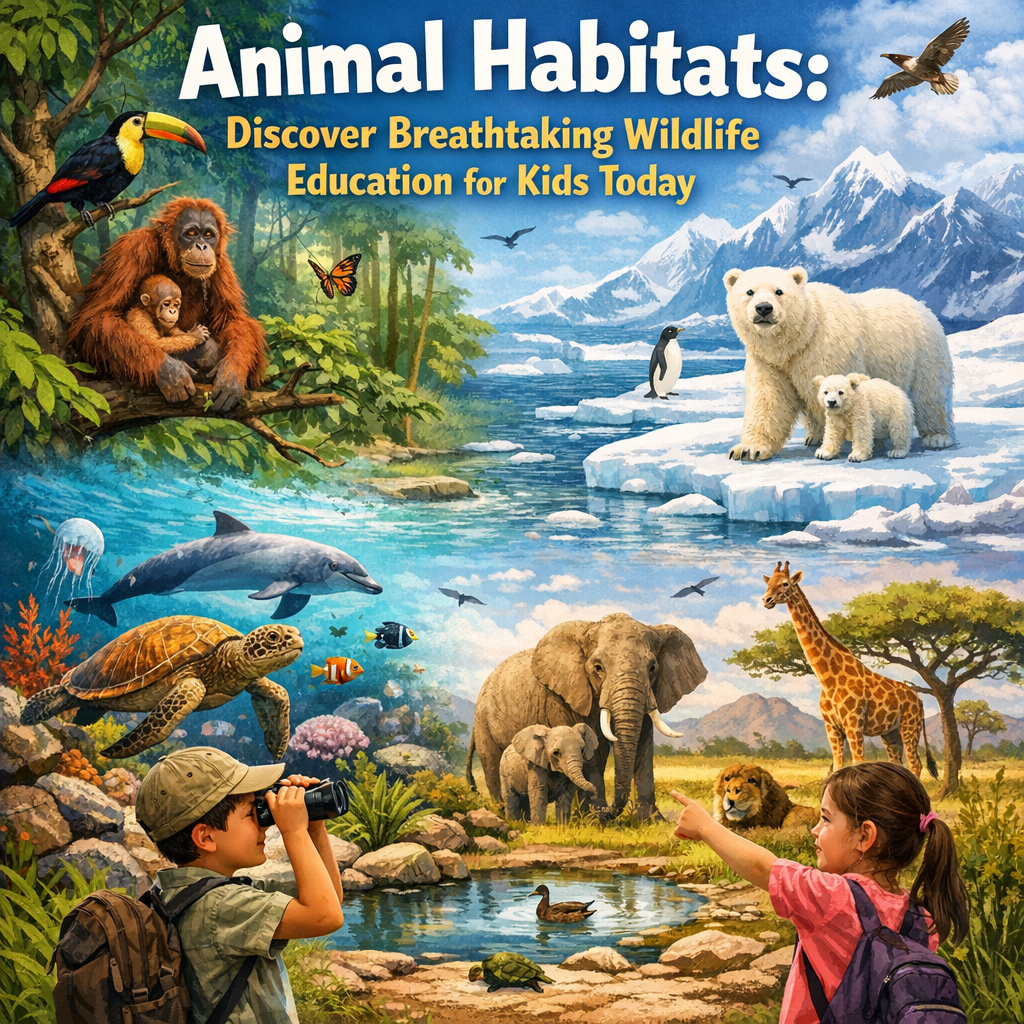
Animal habitats are crucial for wildlife survival, providing essential resources such as food, water, shelter, and space. By learning about diverse ecosystems, children can grasp the concepts of biodiversity and interdependence, enabling them to appreciate the delicate balance that sustains life on Earth.
Developing Empathy and Conservation Awareness
By exploring animal habitats, children not only gain knowledge but also develop empathy for living creatures. Understanding wildlife ethics and conservation needs imbues kids with a sense of responsibility toward preserving natural environments. This awareness nurtures proactive attitudes toward environmental stewardship.
Encouraging Scientific Inquiry and Critical Thinking
Wildlife education fosters scientific curiosity and critical thinking. Kids learn to observe, ask questions, and seek answers about animal behaviors and environmental impacts. This investigative spirit enhances their decision-making skills and encourages lifelong learning.
Exploring Different Types of Animal Habitats
Animal habitats range from the polar ice caps to tropical rainforests, each hosting unique and fascinating wildlife. Here’s a closer look at some prominent ecosystems and the wonders they hold for young explorers.
1. The Splendor of Rainforests
Rainforests are bustling with life, home to more than half of the world’s plant and animal species. These verdant sanctuaries teach children about the complexity and richness of biodiversity. Kids can learn about:
– The role of rainforests in climate regulation
– The diverse animal species like toucans, jaguars, and sloths
– Unique plant adaptations such as canopy structure and epiphytes
For related content on the significance of plant life in maintaining ecological balance, explore our article on tree species and their role in carbon sequestration.
2. The Mysteries of the Ocean
Oceans cover more than 70% of the Earth’s surface, harboring an incredible diversity of marine life. By diving into the aquatic realm, kids can uncover:
– The significance of coral reefs and their role as underwater cities
– Adaptations of marine animals like dolphins and sea turtles to their environment
– The impact of human activities on ocean ecosystems
To learn more about reducing human impact on marine habitats, visit our sustainable living guide.
3. The Vastness of Deserts
Deserts, often perceived as barren wastelands, are teeming with life adapted to extreme conditions. Children’s understanding of deserts can include:
– Adaptive strategies of animals like camels and fennec foxes to survive heat and scarcity
– Unique desert plants such as cacti and their water conservation methods
– The cultural significance of deserts for indigenous communities
For a deeper dive into indigenous knowledge systems, explore our feature on ancient ecological wisdom.
4. The Intricacies of Grasslands
Grasslands are open, wide spaces that support vast herds of animals and numerous plant species. They teach children about:
– The balance between predation and grazing in maintaining grassland health
– Species like elephants, bison, and the diversity of plant life
– Conservation challenges faced by grassland ecosystems
5. The Wonders of Polar Regions
Polar regions offer unique insights into life amidst ice and snow. Learning about these fragile ecosystems can include:
– Adaptations of animals like polar bears and penguins to freezing temperatures
– The critical role of ice in global climate patterns
– The threats posed by climate change to polar habitats
Teaching Strategies for Effective Wildlife Education
Having recognized the significance of teaching kids about animal habitats, educators and parents can employ various strategies to make learning impactful and engaging.
Engage with Interactive Learning Tools
Interactive learning platforms and digital tools captivate young minds. Apps like the Brain Baba Kids Learning App offer engaging ways for children to learn about wildlife in different habitats. Through games and quizzes, kids can retain information effectively and enjoyably.
Incorporate Storytelling and Creative Arts
Storytelling serves as a powerful medium to evoke emotions and build connections. Narrate stories centered around animals within their habitats, integrating creative arts like drawing and drama to bring these tales to life. This method enhances recall and comprehension, allowing children to view wildlife in a more relatable manner.
Hands-on Activities and Field Trips
Experiential learning through field trips to zoos, aquariums, and botanical gardens offers firsthand insights into animal habitats. Arrange scavenger hunts, nature walks, and small-scale conservation projects to foster direct interaction with the natural world.
Encourage Collaborative Projects
Group activities and collaborative projects teach teamwork and critical thinking. Assign research-based tasks where children can explore different habitats and present their findings through presentations, models, or digital content.
Incorporating Wildlife Education into Curriculum
Integrating wildlife education into existing curriculums provides children with a broader perspective on science and geography.
Cross-disciplinary Approach
Adopt an interdisciplinary strategy that integrates wildlife education with language arts, mathematics, science, and geography. For instance, use math to understand animal population dynamics or language exercises to draft informative essays on ecosystem preservation.
Local Conservation Efforts
Involve children in local conservation projects, guiding them to research community-specific environmental challenges. Use real-world problems to teach solutions for habitat restoration and biodiversity conservation.
Leverage Technology for Virtual Exploration
Advancements in technology enable virtual field trips to global habitats, providing immersive experiences without geographical limitations. These virtual explorations open up opportunities to learn from experts and access diverse ecosystems worldwide.
Benefits of Early Wildlife Education
The advantages of imparting animal habitat and wildlife knowledge extend beyond immediate learning outcomes, affecting the holistic development of children.
Creating Environmentally Conscious Future Leaders
Educating youth about natural ecosystems fosters a generation that values conservation, sustainability, and responsible living. These future leaders carry forward the torch of environmental protection, ensuring a brighter, balanced future.
Fostering Lifelong Love for Nature
Instilling a fondness for nature from an early age encourages kids to take part in outdoor activities like hiking, bird watching, and camping, promoting physical and mental health.
Improving Academic Performance
A focus on wildlife education enhances children’s academic abilities through improved concentration, innovation, and problem-solving skills. Recognizing physical and biological concepts enriches understanding and curiosity across core subjects.
FAQ Section
How can I introduce animal habitats to my preschooler?
Start by using picture books and simple stories about different animals and their homes. Incorporate basic terms like “forest,” “ocean,” and “desert” into everyday conversations. Use toys or puzzles themed around habitats for playtime learning.
Why are field trips important in wildlife education?
Field trips provide tangible, real-world experiences that textbooks cannot offer. They allow kids to observe animals and their habitats firsthand, deepening their understanding and stimulating curiosity about ecosystems.
How do digital tools support wildlife education?
Digital tools and apps create interactive and engaging learning environments, making education accessible and enjoyable. They offer personalized content that adapts to a child’s learning pace, reinforcing understanding through visual and auditory stimuli.
What role do parents play in wildlife education?
Parents can support wildlife education by encouraging exploration, supporting outdoor play, and involving kids in nature-based community events. They can foster curiosity by allowing children to watch nature documentaries and participate in science discussions at home.
What impact does wildlife education have on emotional development?
Wildlife education enhances empathy by connecting children emotionally with animal life and nature. This emotional development helps build compassion and understanding, attributes crucial for interpersonal relationships and community building.
Conclusion
Teaching children about animal habitats and wildlife education is not just an academic obligation but a moral duty to nurture informed, empathetic, and conscientious individuals. As we guide them through these dynamic ecosystems, we empower them to become active participants in safeguarding the natural world. Embrace the power of knowledge and embark on this educational journey—help children explore the wonders of the natural world and inspire them to become custodians of the planet. Integrate wildlife education into their lives today and lay the foundation for a sustainable tomorrow.
Encourage your child’s curiosity about the world’s wonders by exploring interactive learning apps like the Brain Baba Kids Learning App and let the adventure begin!