Unlocking the Stunning Benefits of Empathy Books Through Effortless Reading
Empathy books are more than just stories; they are powerful tools that can nurture compassion and understanding in readers of all ages. In today’s fast-paced world, where digital distractions abound, reading for good through empathy books can spark emotional growth and promote positive social interactions. This article explores the profound impact of empathy books, providing parents and educators with actionable strategies to integrate these vital resources into daily life.
The Power of Empathy Books in Modern Education
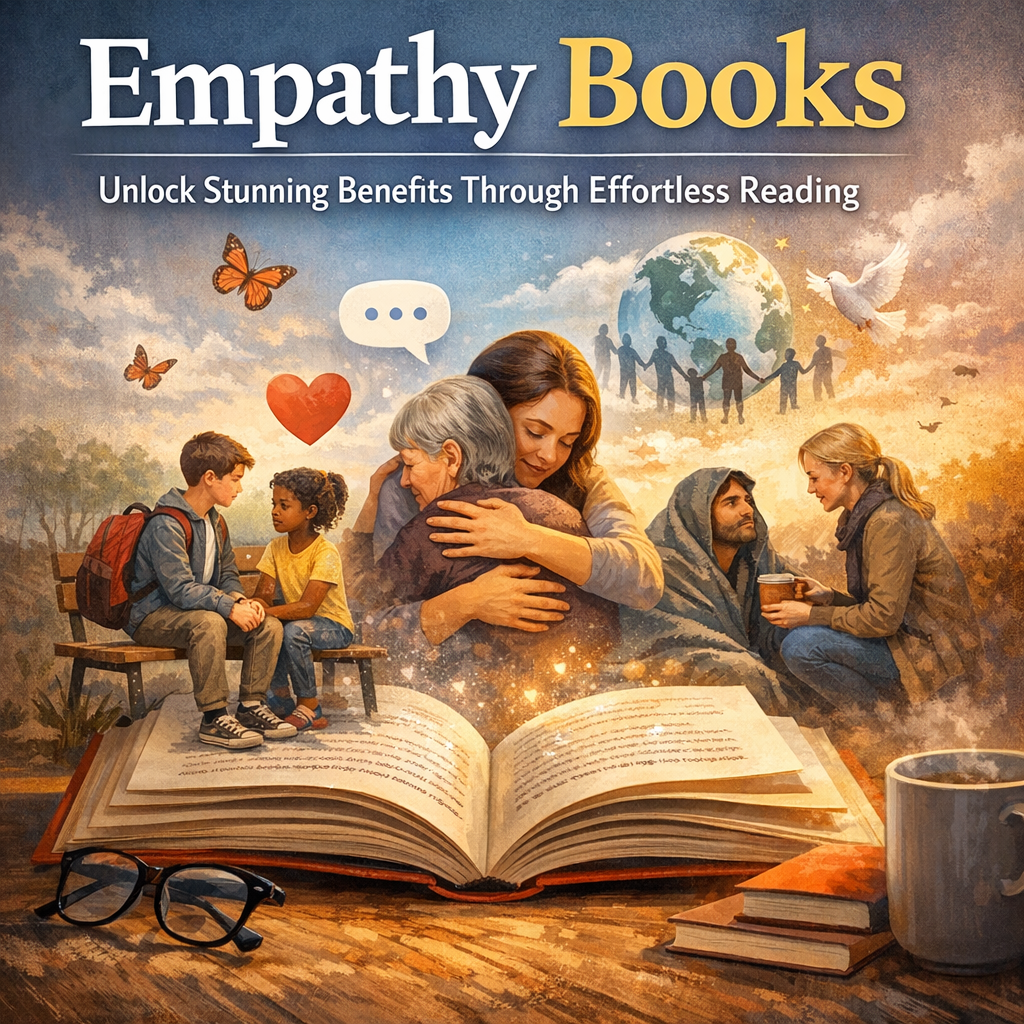
Empathy books are specifically designed to foster understanding and kindness. With narratives that delve into diverse experiences and emotions, these books are essential in modern education. They allow readers to walk in someone else’s shoes, promoting insights and perspectives that enhance emotional intelligence.
Why Empathy Books Matter
Incorporating empathy books into curriculums and home libraries can:
– Enhance Emotional Intelligence: By exposing readers to various emotions and situations, empathy books help develop emotional awareness and self-regulation.
– Improve Social Skills: Understanding different perspectives encourages better communication and cooperation among peers.
– Foster Inclusivity and Diversity: These books reflect a wide range of cultures and experiences, making readers more accepting and understanding of differences.
Crafting a Reading Environment for Growth
Creating a supportive reading environment is crucial for maximizing the benefits of empathy books. Whether at home or in the classroom, a thoughtful setup can encourage children and adults alike to engage deeply with the material.
Setting the Scene
– Create a Cozy Reading Nook: A comfortable, quiet space with good lighting invites relaxation and concentration.
– Regular Reading Schedule: Set aside specific times each day or week dedicated to reading, reinforcing the importance and pleasure of this activity.
– Discuss and Reflect: Encourage conversations about the books. Ask open-ended questions to stimulate critical thinking and personal connection.
Selecting the Right Books
When choosing empathy books for readers, consider:
– Age Appropriateness: Ensure the content is suitable for the reader’s age and developmental stage.
– Diverse Perspectives: Include stories from various cultures and authors to provide a broad range of viewpoints.
– Relevant Themes: Opt for books with themes that resonate with current social issues or challenges the reader may face.
Integrating Empathy Books into the Curriculum
Empathy books can be seamlessly integrated into school curriculums to complement various subjects. Here’s how educators can maximize their impact:
Cross-Disciplinary Learning
– Literature Classes: Use empathy books to analyze character development, themes, and moral dilemmas.
– Social Studies: Pair with historical or cultural studies to give context to personal stories.
– Art and Drama: Encourage students to create artistic expressions or role-play scenes from the books to deepen understanding.
Project-Based Initiatives
– Book Clubs: Organize groups where students can discuss and share insights about empathy books.
– Community Service Projects: Connect themes from books to real-world actions, such as volunteering or awareness campaigns.
The Impact of Empathy Books on Emotional Development
Research shows that empathy books significantly contribute to emotional development, particularly in young readers. Here’s why:
Enhanced Cognitive Empathy
Through vivid storytelling, empathy books allow readers to grasp the emotions of characters, fostering cognitive empathy and improving the ability to understand others’ thoughts and feelings.
Emotional Resilience
Experiencing varied emotional journeys through books helps build resilience. Readers learn that obstacles can be overcome, and emotions managed, leading to more adaptive coping strategies in real life.
Language Development
Empathy books often utilize rich vocabulary and complex sentence structures, enhancing language skills. Discussing characters’ feelings and motivations can further advance linguistic competence.
Building Emotional Intelligence for the Future
Empathy is a vital skill for personal and professional success. By reading empathy books, individuals cultivate emotional intelligence that will benefit them throughout their lives.
Long-Term Benefits
1. Improved Relationships: Empathetic individuals tend to have stronger, more meaningful relationships.
2. Conflict Resolution: Understanding diverse perspectives aids in resolving disputes amicably.
3. Leadership Skills: Empathetic leaders inspire and motivate others, fostering collaborative and harmonious environments.
Encouraging Empathy Reading at Home
Parents play a crucial role in encouraging empathy through reading at home. Here are some strategies:
Lead by Example
Children mimic adult behaviors. By reading empathy books yourself, you demonstrate their value and model lifelong learning habits.
Interactive Reading Sessions
Make reading an interactive experience by:
– Using Voices and Expressions: Bring stories to life with character voices and facial expressions.
– Relating Stories to Real Life: Discuss how story situations compare to real-world experiences.
– Encouraging Questions and Predictions: Ask what might happen next and explore possible character choices.
Supporting Technology Use
Utilize technology to enhance the reading experience. For example, the Brain Baba Kids Learning App offers interactive features that can make learning about empathy exciting. Download the app for kids to explore educational content designed to nurture young minds.
Recommended Empathy Books for Different Ages
Choosing the right empathy books depends on the reader’s age and preferences. Here are some suggestions:
Young Children
1. “Last Stop on Market Street” by Matt de la Peña
2. “The Invisible Boy” by Trudy Ludwig
Middle Grade
1. “Wonder” by R.J. Palacio
2. “Amina’s Voice” by Hena Khan
Young Adult
1. “The Hate U Give” by Angie Thomas
2. “Eleanor & Park” by Rainbow Rowell
Internal Resources for Further Exploration
For more insights on nurturing empathy and emotional intelligence, explore the following:
– Benefits of Reading in Child Development
– Building Emotional Resilience in Kids
– Effective Classroom Strategies for Teachers
Frequently Asked Questions
What are empathy books?
Empathy books are narratives designed to help readers understand and feel the emotions of others. These books encourage readers to explore diverse perspectives and experiences, enhancing emotional intelligence and social understanding.
How can empathy books benefit my child?
Empathy books can significantly impact a child’s emotional and cognitive development. They help in enhancing emotional awareness, fostering inclusivity, improving language skills, and building social competencies.
Can empathy books be part of a school curriculum?
Yes, empathy books can effectively complement various subjects in schools. They can be used in literature, social studies, art, and more to foster empathy and cultural understanding among students.
Are empathy books suitable for all age groups?
Empathy books are available for all age groups, from young children to adults. Choosing age-appropriate content ensures that the themes and language are suitable and engaging for the reader.
How can I encourage my child to read more empathy books?
Create a positive reading environment at home, lead by example, and make reading interactive and fun. Discuss the stories and relate them to real-life situations to enhance engagement and interest.
Conclusion: Embrace Reading for Good with Empathy Books
Empathy books are essential tools for nurturing emotional intelligence and fostering a more compassionate society. By integrating these books into daily life and educational settings, we can unlock the stunning benefits of empathy through effortless reading. As you explore the world of empathy books, remember to download the Brain Baba Kids Learning App to enrich your child’s learning experience. Start the journey today and witness the transformative power of reading for good.