Internet Safety Guide: Essential Tips for Teaching Kids Digital Ethics
In today’s digital age, understanding internet safety and digital ethics is crucial for both parents and educators. The online world offers a wealth of opportunities for learning and growth, but it also presents risks that children must navigate carefully. This comprehensive guide will equip you with actionable tips to ensure kids can explore the internet safely while developing a strong sense of digital ethics.
The Importance of Internet Safety for Kids
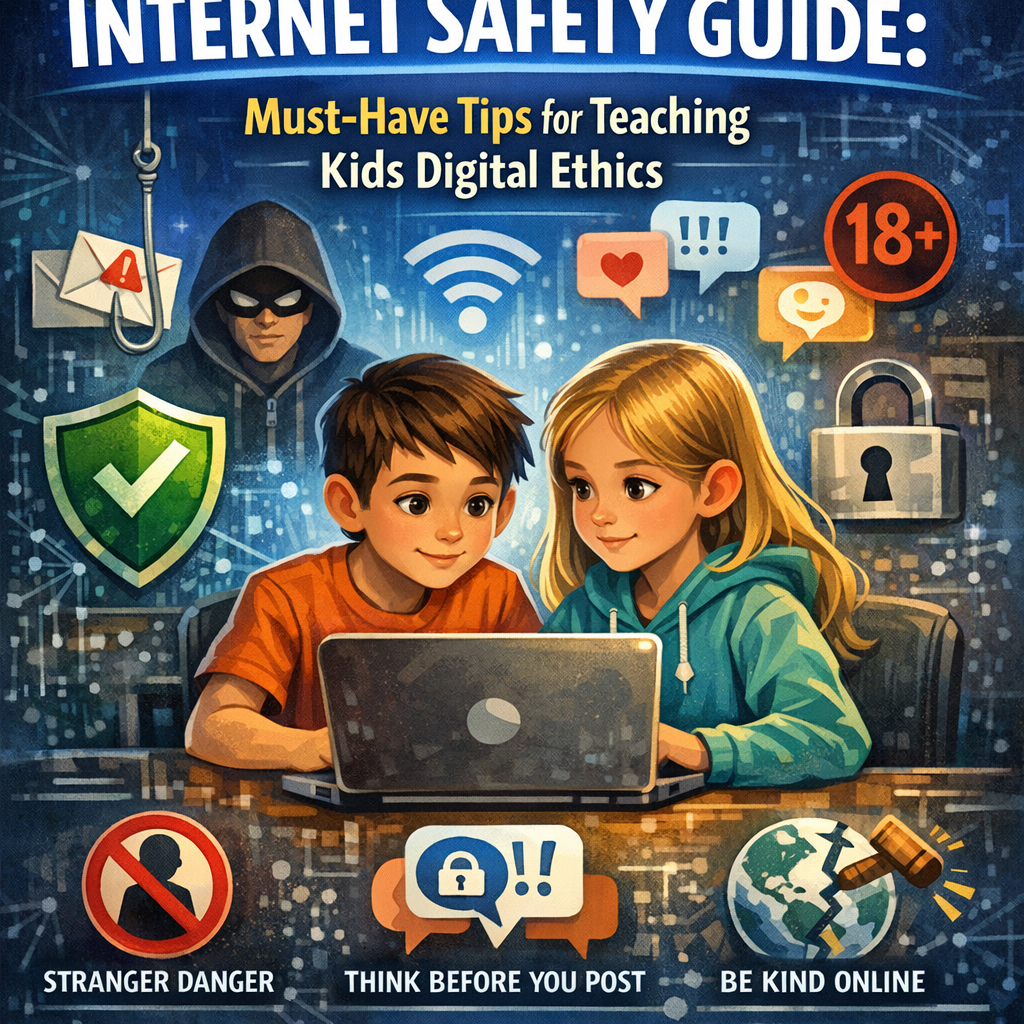
As technology becomes increasingly embedded in our daily lives, children are exposed to the internet at a much younger age. Teaching kids about internet safety isn’t merely about protecting them from harm; it’s about empowering them to make smart, ethical choices online. By instilling a sense of digital ethics early, we can foster a generation that interacts responsibly on the web.
Understanding Digital Ethics
Digital ethics refers to the principles guiding responsible and respectful behavior online. It encompasses everything from safeguarding personal information to treating others with respect in virtual spaces. By integrating digital ethics into internet safety education, kids learn to navigate online platforms ethically and empathetically.
Tips for Teaching Internet Safety and Digital Ethics
1. Start the Conversation Early
– Age-Appropriate Discussions: Adapt your conversations about internet safety according to your child’s age and understanding.
– Open Dialogue: Encourage your child to ask questions and express their online experiences.
Starting early helps build a foundation of trust, making future conversations about online behavior more effective. Learn more about age-specific online safety strategies.
2. Establish Clear Internet Usage Guidelines
– Set Boundaries: Determine when and where devices can be used.
– Screen Time Rules: Balance screen time with other activities.
Establishing rules helps children understand the expectations around their internet use, promoting responsible behavior.
3. Teach the Basics of Online Privacy
Educate kids about the importance of protecting personal information. Here are some key points to cover:
– Personal Data: Explain what information should never be shared online.
– Privacy Settings: Teach them how to manage privacy settings on social media platforms.
Understanding online privacy is crucial for safeguarding children’s digital identities.
4. Cyberbullying Awareness and Prevention
Cyberbullying can have serious emotional effects. Equip your child with the tools to handle such situations:
– Recognition: Teach them to recognize bullying behaviors.
– Response: Encourage them to speak up and report any incidents.
Fostering an environment where children feel comfortable discussing cyberbullying is essential. Explore more on combating cyberbullying.
5. Encourage Positive Digital Footprint
Every online interaction leaves a digital footprint. Guide your child in creating a positive online presence:
– Think Before Posting: Encourage thoughtful consideration of what they post.
– Online Reputation: Discuss the long-lasting impact of their digital footprint.
By understanding the permanence of digital actions, kids will think more carefully about their online behavior.
6. Utilize Educational Resources and Tools
Incorporate educational tools to reinforce safe internet practices:
– Apps for Learning: Consider using applications like the Brain Baba Kids Learning App to teach internet safety and digital skills.
– Interactive Workshops: Participate in online safety workshops tailored for kids.
Using engaging tools can make learning about internet safety more interactive and enjoyable.
Implementing Internet Safety in Schools
Schools play a critical role in teaching digital ethics:
1. Integrate Digital Citizenship into Curriculum
– Ethics Classes: Introduce subjects that focus on responsible online behavior.
– Case Studies: Use real-life scenarios to teach students about digital citizenship.
By embedding these topics into the curriculum, schools can ensure that every child gains a solid understanding of internet safety.
2. Facilitating Parental Involvement
Encourage parental participation in internet safety education:
– Workshops and Seminars: Host events where parents can learn about digital ethics.
– Resource Sharing: Provide take-home materials that parents can use to support learning at home.
A collaborative approach enhances the effectiveness of internet safety education.
Monitoring and Discussing Online Activity
1. Use Parental Controls
Leverage technology to help monitor your child’s online activities:
– Filtering Tools: Employ software to block inappropriate content.
– Activity Monitoring: Regularly review what sites or platforms your child accesses.
While monitoring is important, it should be done with transparency to maintain trust.
2. Open Lines of Communication
Maintain a continuous dialogue about online experiences:
– Frequent Check-ins: Regularly discuss what content they’re engaging with.
– Encourage Sharing: Prompt them to share both positive and negative online encounters.
Creating a safe space for these discussions reassures children that they can talk about any concerns without fear of judgment.
FAQ Section
1. What are the most important internet safety rules for kids?
Children should never share personal information, such as their full name, address, or phone number. It’s also crucial for them to know how to use privacy settings and to avoid interacting with strangers online.
2. How can I tell if my child is experiencing cyberbullying?
Signs of cyberbullying may include withdrawal from social activities, changes in mood or behavior, and a reluctance to use their devices. Keeping an open line of communication can help identify these issues early.
3. What is a digital footprint, and why is it important?
A digital footprint is the trail of data you leave behind when using the internet. It’s crucial because it affects your online reputation and can have long-term consequences. Encouraging kids to create a positive digital footprint helps protect their future.
4. How can educational apps contribute to internet safety education?
Educational apps, like the Brain Baba Kids Learning App, can offer engaging lessons on internet safety and digital literacy. They often include interactive features that make learning fun and effective.
5. How can schools support parents in teaching internet safety?
Schools can organize workshops, provide resources, and create educational programs that align with home teachings. By collaborating with parents, schools can ensure a consistent message is conveyed both at school and at home.
Conclusion
Incorporating internet safety and digital ethics into children’s education is an ongoing process that requires commitment from parents, educators, and the community. By taking proactive steps, you can guide children toward safe, responsible, and ethical online behavior, preparing them for a future where digital literacy is essential.
Encourage your child to embrace their digital world wisely, and remember to download the app for kids that can further their learning on internet safety. Empower them today to be not just users, but informed, ethical participants in the digital realm.
For more tips and resources on raising digitally savvy kids, explore our comprehensive guides on internet security and child-friendly tech innovations.