Gardening Kids: Uncover Stunning Benefits for Effortless Sensory Growth
In today’s fast-paced digital world, engaging children in outdoor activities like gardening can be incredibly beneficial. Encouraging gardening for kids not only fosters a love for nature but also supports their effortless sensory growth. This practice paves the way for holistic development, engaging their senses, and enhancing physical and intellectual growth. This article delves into why gardening is such a powerful tool for sensory development, providing expert tips and insights to help parents and educators make the most of this activity.
The Science Behind Gardening and Sensory Growth
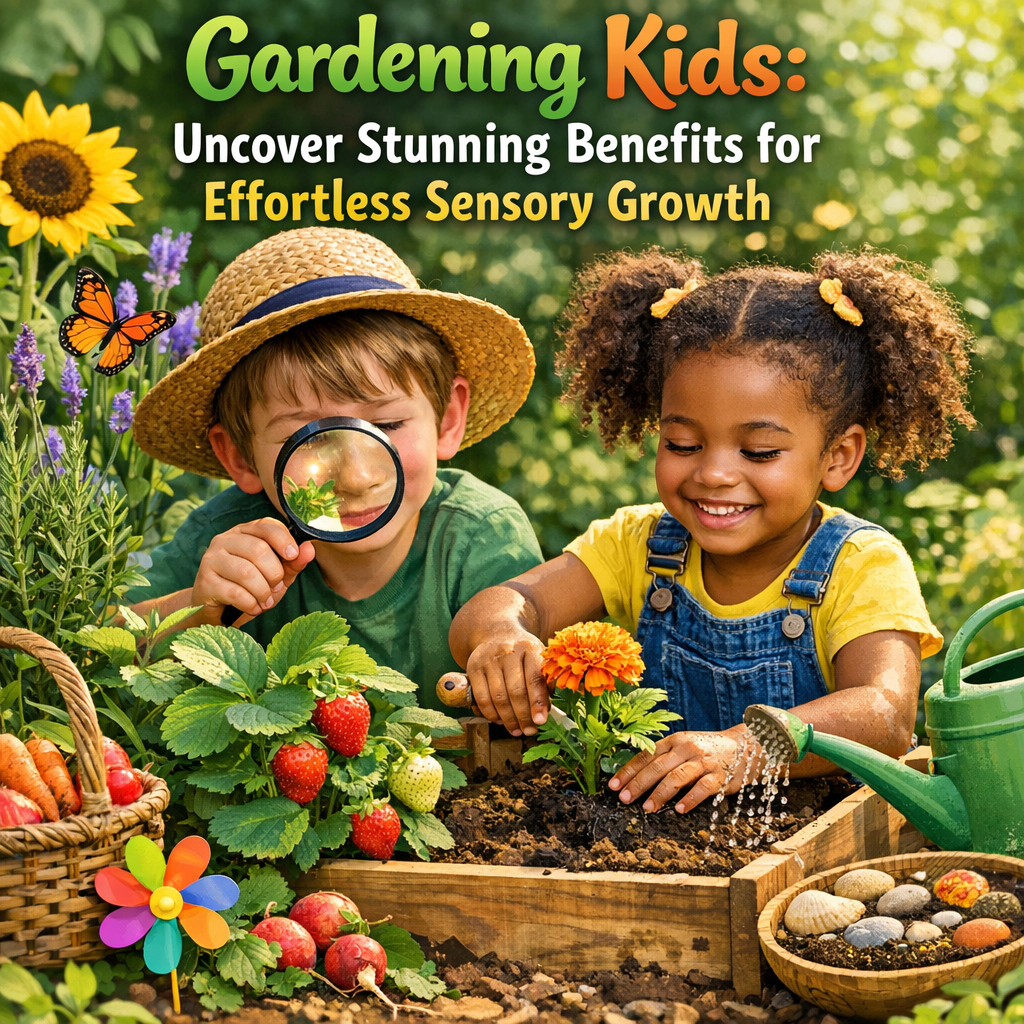
Gardening is not simply about planting seeds and watching them grow. It is a multi-sensory experience that stimulates children in numerous ways. The vibrant colors, diverse textures, and myriad scents of a garden provide an enriching environment conducive to sensory development.
Understanding Sensory Growth
Sensory growth refers to the development and strengthening of sensory pathways in the brain. As children engage their senses—sight, smell, touch, taste, and hearing—they build neural connections and enhance their cognitive abilities.
Benefits of Sensory Growth:
– Improved concentration and focus
– Enhanced memory and learning skills
– Greater appreciation and awareness of the environment
– Reduced stress and anxiety levels
Introducing gardening to kids is a natural way to stimulate sensory growth, offering a plethora of experiences that cater to their developing senses.
Benefits of Gardening for Kids
Fostering Curiosity and Exploration
One of the most exciting aspects of gardening with kids is the sense of curiosity and exploration it ignites. Kids become little scientists, eager to plant, water, and observe the changes in their garden plots.
– Encourages Questioning: Why do plants need sunlight? How do seeds grow into plants?
– Promotes Discovery: Identifying different plant species and insects
– Facilitates Learning: Understanding life cycles and ecosystems
Development of Fine and Gross Motor Skills
Gardening activities are a fantastic way to improve both fine and gross motor skills in children. From digging holes to handling seeds, each task requires a unique set of motor skills.
– Fine Motor Skills: Planting seeds, picking leaves, and using small gardening tools
– Gross Motor Skills: Digging, raking, and carrying soil
Gardening allows children to refine their coordination and dexterity, critical components for their developmental milestones.
Encourages Healthy Eating Habits
Cultivating fruits and vegetables instills a sense of achievement in children, encouraging them to taste the produce they have grown themselves.
– Positive Food Relationships: Familiarity with fresh produce encourages children to try new foods.
– Nutritional Awareness: Learning about vitamins and nutrients in different vegetables and fruits
Gardening demystifies the origin of food, leading children to appreciate and opt for healthier eating choices.
Engaging the Senses Through Gardening
Visual Stimulation
Gardens are vibrant and colorful, providing ample visual stimuli for children. The visual diversity in a garden stimulates children’s visual senses, aiding in recognition and differentiation.
– Color Recognition: Identifying various shades and hues
– Pattern Observation: Noticing the growth patterns and shapes of leaves and flowers
Aromatic Awakening
The myriad of scents from flowers, herbs, and soil engages a child’s sense of smell. This olfactory engagement not only stimulates sensory development but can also positively impact moods.
– Identifying Scents: Recognizing different plant aromas
– Linking Emotions: Associating specific scents with positive experiences
Textural Exploration
Gardening provides an extensive palette of textures, from the smoothness of petals to the rough edges of bark, allowing children to explore tactile sensations.
– Texture Discovery: Differentiating between rough, smooth, soft, and prickly textures
– Tactile Learning: Encourages sensory integration and perception
Auditory Experiences
Gardening exposes children to a range of natural sounds, from rustling leaves to chirping birds, fostering an increased awareness of the natural soundscape.
– Listening Skills: Identifying different sounds in the garden
– Sound Appreciation: Understanding the harmony of nature
Taste Adventures
Growing edible plants gives children the opportunity to taste their produce, expanding their palates and introducing them to a world of flavors.
– Tasting Experiences: Sampling fresh vegetables and herbs
– Flavor Recognition: Differentiating between sweet, sour, and bitter tastes
Creating a Kid-Friendly Garden
Choose the Right Plants
Selecting plants that are safe and easy to grow is crucial for a successful gardening experience. Opt for plants like sunflowers, snap peas, and cherry tomatoes, which are both engaging and manageable.
Safety First
Ensure the gardening area is safe for kids. Remove any hazardous plants or sharp tools and provide child-friendly equipment such as trowels and gloves.
Plan Fun Activities
Incorporate fun and educational activities to maintain engagement. Create themed gardens, like a butterfly or sensory garden, to pique interest.
Involve Kids in Decision-Making
Involving children in the planning and decision-making process of the garden encourages a sense of ownership and responsibility, which heightens their commitment and interest.
– Garden Layout: Allow children to map out where different plants will grow
– Plant Selection: Let them choose which types of plants to cultivate
Gardening as a Social Activity
Gardening is not just an individual activity but a social one, promoting teamwork and communication among children. Group gardening sessions encourage cooperation and shared responsibilities.
Family Bonding
Gardening as a family activity strengthens familial bonds and creates shared memories, providing a platform for open communication and fun.
School Community Gardens
Schools can integrate gardening into their curriculum, fostering a sense of community among students and teaching valuable life skills.
– Collaborative Projects: Class projects that involve maintaining a community garden
– Shared Responsibility: Rotational duties for garden upkeep
Leveraging Technology in Gardening
Educational Apps
Technology can complement gardening activities by providing additional resources for learning. Apps like the Brain Baba Kids Learning App can be a great tool for young gardeners to enhance their knowledge of plants and gardening techniques.
Online Resources
The internet houses a wealth of information on gardening tips, child-friendly gardening ideas, and educational materials to help children learn more about the environment and conservation.
Virtual Gardening Communities
Joining online gardening forums or groups can provide support, ideas, and shared experiences with other parents and educators.
FAQs on Gardening for Kids
What age can children start gardening?
Children as young as toddlers can start gardening with appropriate supervision. Begin with simple, safe tasks like watering and planting seeds.
How does gardening help in sensory development?
Gardening engages all five senses—sight, smell, touch, taste, and hearing—promoting sensory integration and cognitive development. It encourages exploration and enhances sensory pathways in the brain.
Are there any garden plants that children should avoid?
Yes, certain plants are toxic if ingested or can cause skin irritations. Avoid planting foxglove, oleander, and certain types of lilies. Always research and select child-safe plants.
How can schools integrate gardening into the curriculum?
Schools can create garden-based learning programs that incorporate subjects like biology, environmental science, and nutrition. Activities can include planting vegetable gardens, studying plant biology, or exploring ecosystems.
How often should children be involved in gardening activities?
Regular engagement is ideal, but even weekly garden sessions can provide substantial benefits. Consistency helps nurture responsibility and connection to the environment.
Conclusion: Cultivating a Greener Future
Gardening is a fantastic tool for sensory growth, laden with educational and developmental benefits for children. By introducing them to the joys of gardening, we empower kids to explore their environment, develop essential life skills, and foster a lifelong appreciation for nature. Parents and educators are encouraged to embrace this green pastime to nurture both the minds and bodies of the young.
Ready to embark on your gardening journey with your child? Gather your tools, pick your seeds, and let the sensory adventure begin. For more helpful tips and resources, explore our related content and download the Brain Baba Kids Learning App to enrich your gardening experiences. Together, we can cultivate a brighter, greener future for the next generation.