Respect Manners: Transform Your Kids into Polite, Remarkable Individuals
Raising children in today’s fast-paced world comes with unique challenges, yet instilling respect manners remains crucial for developing polite kids who can engage socially and emotionally with others. Teaching children respect and etiquette not only enhances their interactions but also opens doors to thriving relationships throughout their lifetime. This article explores actionable strategies for parents and educators to mentor children into becoming remarkable individuals imbued with respect and politeness.
Understanding the Importance of Respect Manners
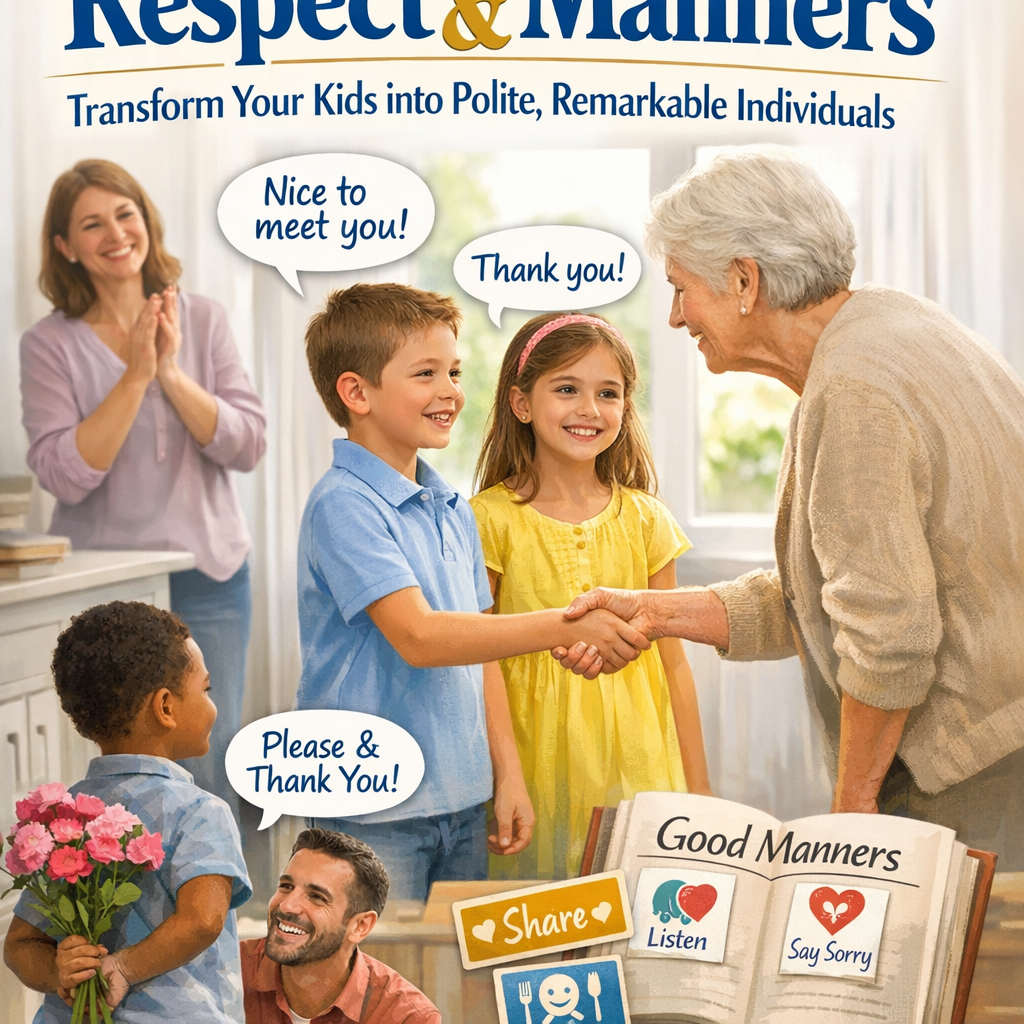
Respect manners form the essence of social interactions. When children are taught the value of respect and politeness, they gain essential skills that transcend various facets of their lives. Respectful kids are more likely to excel in diverse environments—academically, socially, and eventually professionally.
Why Teach Respect Manners Early?
– Cognitive Development: Young children who learn respect manners develop better cognitive skills, as they practice empathy and understanding.
– Emotional Intelligence: Polite kids tend to exhibit higher emotional intelligence, making them adept at managing social situations.
– Social Success: Mastering respect manners increases a child’s likelihood of success by building strong relationships with peers and adults.
Strategies for Teaching Respect Manners
Educational success often stems from the practical application of learned concepts. Here are several actionable strategies to help your children master respect manners:
1. Model Respectful Behavior
Children are like sponges, absorbing behaviors from their primary role models—parents and educators. Demonstrating respectful behavior consistently fosters an environment where respect is valued and practiced.
– Use Polite Language: Incorporate words like “please,” “thank you,” and “excuse me” in everyday conversations.
– Active Listening: Show your child how to listen attentively without interrupting.
– Express Gratitude: Make a practice of expressing genuine gratitude, reinforcing its importance.
2. Set Clear Expectations
Clarify the standards of respect and politeness you expect from your children. Establishing clear rules helps cement these values:
– House Rules: Create a set of household guidelines that emphasize respectful interactions.
– Consistent Consequences: Implement consistent consequences for failing to meet set expectations.
3. Provide Positive Reinforcement
Positive reinforcement can be a powerful motivator in instilling respect manners:
– Praise Polite Behavior: Recognize and commend your child’s polite actions.
– Reward Systems: Use a reward system to encourage consistent respectful behavior.
– Role-playing: Engage in role-playing activities to practice respect in various scenarios.
4. Engage in Open Discussions
Engaging children in discussions around the topics of respect and manners helps solidify their understanding and encourages them to internalize these values.
– Storytelling: Use stories that highlight respect as a key theme.
– Question and Answer Sessions: Encourage children to ask questions about respect and provide thoughtful answers.
– Discussion Groups: Form groups where children can share experiences that reflect respectful behavior.
5. Utilize Educational Resources
Leveraging educational tools can be highly effective in teaching children respect manners:
– Books and Movies: Select age-appropriate content that emphasizes the importance of respect and politeness.
– Apps and Online Resources: Consider tech tools such as the Brain Baba Kids Learning App that provide interactive learning experiences in respect and etiquette.
Challenges in Teaching Respect and How to Overcome Them
Teaching respect manners is not without challenges, but understanding and addressing these can help ensure success:
1. Overcoming Peer Influence
Children are heavily influenced by their peers, sometimes leading to conflicts with learned respect values.
– Encourage Individuality: Reinforce the importance of being a thoughtful individual, not swayed by negative peer behavior.
– Peer Support: Identify friends who value respect, and encourage interactions with them.
2. Managing Diverse Environments
In today’s culturally diverse societies, understanding different respect dynamics can be complex:
– Cultural Sensitivity: Teach children to appreciate and respect cultural differences.
– Inclusive Practices: Encourage inclusion in all interactions, fostering an open mindset.
3. Digital Etiquette
With increasing online interactions, learning digital respect is crucial.
– Online Safety: Discuss the importance of respectful online communication.
– Monitoring: Keep an eye on your child’s digital interactions to guide appropriate behavior.
Integrating Respect Manners into Daily Life
Consistent practice solidifies respect manners, turning them into second nature for your children:
1. Daily Routines
– Chore Participation: Involve children in daily chores, teaching them responsibility and appreciation for collaborative efforts.
– Family Meals: Use family meals as an opportunity to practice polite table manners.
2. Community Engagement
– Volunteer Work: Encourage your child to participate in community service, fostering empathy and understanding.
– Group Activities: Enroll your child in group activities, where respect and teamwork are essential.
Frequently Asked Questions
How can I teach my preschooler respect manners?
Start by modeling respectful behavior yourself, using simple language and clear rules. Engage your preschooler in role-playing exercises and storytelling that underscore the importance of respect.
Why do some children struggle with politeness?
Children may struggle with politeness due to various factors like peer influence, lack of consistent role modeling, or limited understanding of social cues. Address these by providing structured guidance and positive reinforcement.
What role can teachers play in instilling respect?
Teachers can create a classroom culture that promotes respect, using interactive lessons and activities focused on empathy, active listening, and cultural awareness.
Can technology help in teaching respect manners?
Yes, technology can be an effective tool when used wisely. Apps such as the Brain Baba Kids Learning App offer interactive and engaging ways to learn about respect and communication.
How do I talk to my child about respecting cultural diversity?
Introduce discussions on cultural diversity using media and personal stories. Encourage your child to ask questions and participate in multicultural events to deepen their understanding and appreciation.
Conclusion
Transforming your kids into polite, remarkable individuals is more feasible than ever when emphasis is placed on respect manners. By modeling respectful behavior, setting clear expectations, and utilizing a variety of resources, you can imbue your children with lifelong values of politeness and respect. Start today, and empower your child to navigate the world confidently and respectfully.
For more parenting tips and strategies, explore our resources on early childhood development and effective parenting styles. Begin your journey today with techniques that make respect manners a central part of your child’s upbringing, setting the foundation for their future success and fulfillment.
—
Take the first step now towards raising a generation of polite and respectful individuals. Let’s work together to create a better, kinder world, one child at a time.