Supportive Friends: Transform Your Kids into Kind, Unstoppable Allies
Creating a nurturing environment for children to grow into kind, supportive friends is crucial in today’s dynamic world. As parents and educators, our responsibility is to foster these qualities in the young minds entrusted to us. It’s more than just teaching them to be nice — it’s about shaping them into empathetic, resilient individuals who can thrive and contribute positively to society. In this comprehensive guide, we’ll explore ways to transform your children into compassionate, unstoppable allies.
Understanding the Importance of Supportive Friendships
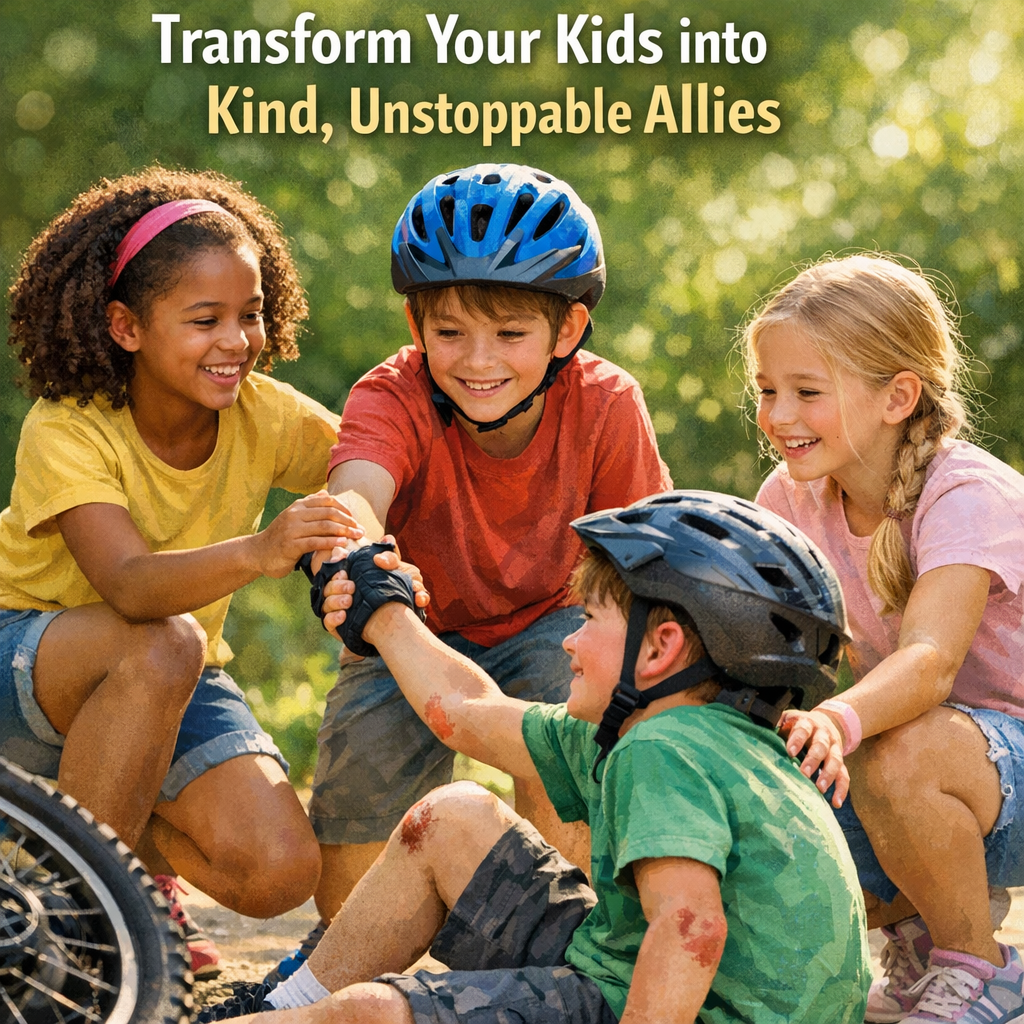
Supportive friends are the foundation of a healthy social environment. Children who are taught to be kind and supportive can form connections that enhance both personal and academic growth.
The Role of Empathy in Childhood Development
Empathy is a key component of supportive friendships. It allows children to understand and share the feelings of others, fostering deeper connections.
– Emotional Intelligence: Encouraging empathy enhances emotional intelligence, helping kids navigate complex social situations.
– Conflict Resolution: Empathetic children are often better at resolving conflicts, as they can see issues from multiple perspectives.
The Impact on Academic and Social Skills
Children who maintain healthy social relationships are more likely to excel in their academic pursuits.
– Positive peer interactions can improve classroom behavior and teamwork skills.
– Supportive friendships reduce stress, creating a conducive environment for learning.
Building Kindness in Everyday Interactions
Kindness is a habit that must be cultivated through deliberate actions and teaching moments. Here’s how to integrate kindness into daily life.
Model Kind Behavior
Children learn by observing adults. Demonstrating compassion and respect teaches them the value of kindness.
– Practice Gratitude: Make it a family ritual to express what you are grateful for daily.
– Show Appreciation: Acknowledge acts of kindness both within the family and in public settings.
Encourage Volunteering and Community Service
Involving kids in community service can profoundly impact their understanding of kindness and support.
– Local Projects: Participate in community clean-ups or food drives to expose children to diverse experiences.
– School Initiatives: Encourage participation in school-organized charity events or clubs.
Creating an Open Environment for Discussion
Children thrive in environments where open communication is encouraged.
Establish a Trusting Relationship
Create a safe space for your child to express emotions and thoughts without judgment.
– Listen Actively: Show genuine interest in your child’s conversations and opinions.
– Validate Feelings: Acknowledge and discuss your child’s emotions, reinforcing that their feelings matter.
Foster an Inclusive Atmosphere
Teach your children to embrace diversity and inclusivity through comprehensive education.
– Diverse Reading Materials: Choose books and stories from various cultures and backgrounds.
– Cultural Celebrations: Engage in cultural festivities to broaden understanding and appreciation of differences.
Enhancing Emotional Resilience
Supportive friends are also resilient individuals who can withstand life’s challenges. Building emotional resilience is essential.
Building Coping Mechanisms
Teach children how to handle failure and bounce back from adversity.
– Problem-Solving Skills: Encourage kids to find solutions independently, guiding them when necessary.
– Mindfulness Practices: Introduce mindfulness exercises like deep breathing to manage stress.
Encourage Positive Self-Talk
Fostering a positive self-image helps children become more confident in their abilities to support and assist others.
– Affirmations: Encourage daily affirmations that reinforce self-worth and ability.
– Goal Setting: Help children set realistic goals and celebrate achievements, however small.
Integrating Technology to Foster Friendships
Technology can be a valuable tool for teaching kindness and building supportive friendships.
Educational Apps for Social Skills
Incorporating apps that focus on empathy and social interaction can be beneficial.
– Interactive Games: Look for games that require cooperative play and teamwork.
– Learning Apps: Use resources like the Brain Baba Kids Learning App to teach kindness through engaging content.
Monitoring and Moderation
Ensure screen time is balanced with real-world interactions.
– Supervised Use: Regularly monitor your child’s online activities for safety and appropriateness.
– Screen-Free Time: Set specific hours for unplugging and engaging in offline activities.
Strengthening Family Bonds
Strong family bonds lay the groundwork for children to understand and value supportive friendships.
Family Activities That Promote Teamwork
Organize activities that require cooperation and team effort.
– Board Games: Choose games that require strategy and collaboration over competition.
– Group Projects: Engage in family projects, such as gardening, that require division of tasks and collective effort.
Communication as a Family
Regular family meetings can strengthen bonds and teach valuable communication skills.
– Weekly Check-ins: Set aside a time each week for family discussions about highs and lows.
– Shared Meals: Use meal times as an opportunity to connect and communicate openly.
FAQs: Supportive Friends and Kind Kids
How can I teach my child to be a supportive friend?
– Lead by Example: Show empathy and kindness in your interactions.
– Discuss Scenarios: Use stories or role-play to discuss different social situations.
– Acknowledge Kindness: Praise your child’s acts of kindness and highlight their positive impact.
What are some signs that my child is building strong, supportive friendships?
– Happiness and Excitement: Your child expresses joy and enthusiasm about spending time with friends.
– Conflict Resolution: They show ability in resolving disagreements or misunderstandings.
– Inclusivity: Your child naturally includes other children in activities and discussions.
How can technology be used to teach empathy and kindness?
– Age-appropriate Apps: Use apps like the Brain Baba Kids Learning App that emphasize empathy and interaction.
– Educational Content: Opt for educational games and videos that promote teamwork and understanding.
What role do schools play in developing kind, supportive children?
– Curriculum Integration: Schools should incorporate social and emotional learning into their curriculum.
– Group Activities: Encourage participation in team-based projects that promote cooperative skills.
– Conflict Training: Provide workshops or activities focused on conflict resolution and peer mediation.
How can I help my child deal with peer pressure?
– Open Dialogue: Discuss peer pressure openly, highlighting its potential impact.
– Confidence Building: Foster self-assurance through positive reinforcement and skill development.
– Scenario Practice: Role-play potential situations to help your child navigate peer pressure effectively.
Conclusion: Raising Supportive, Kind Leaders
Transforming your kids into kind, supportive friends is an investment that will benefit them for a lifetime. By embedding values of empathy, resilience, and open communication, you’re shaping future leaders who can drive positive change. Start today by integrating these principles into your children’s daily lives and witness their transformation into compassionate allies.
Remember, every small step counts. Encourage your children to build friendships that are grounded in kindness and support. Visit our other resources on parenting and child development for more insights and strategies. Your journey toward raising the next generation of kind leaders begins now.