Cooperative Games: Unlocking the Best Benefits of Team Play
Cooperative games offer a wealth of benefits for children and adults alike, enhancing social skills, promoting teamwork, and encouraging positive bonding experiences. Unlike competitive games, cooperative games focus on collaboration rather than rivalry, making them an excellent choice for fostering group cohesion and mutual support. This article will delve into the advantages of cooperative games, exploring why team play is essential for personal and social development.
Understanding Cooperative Games
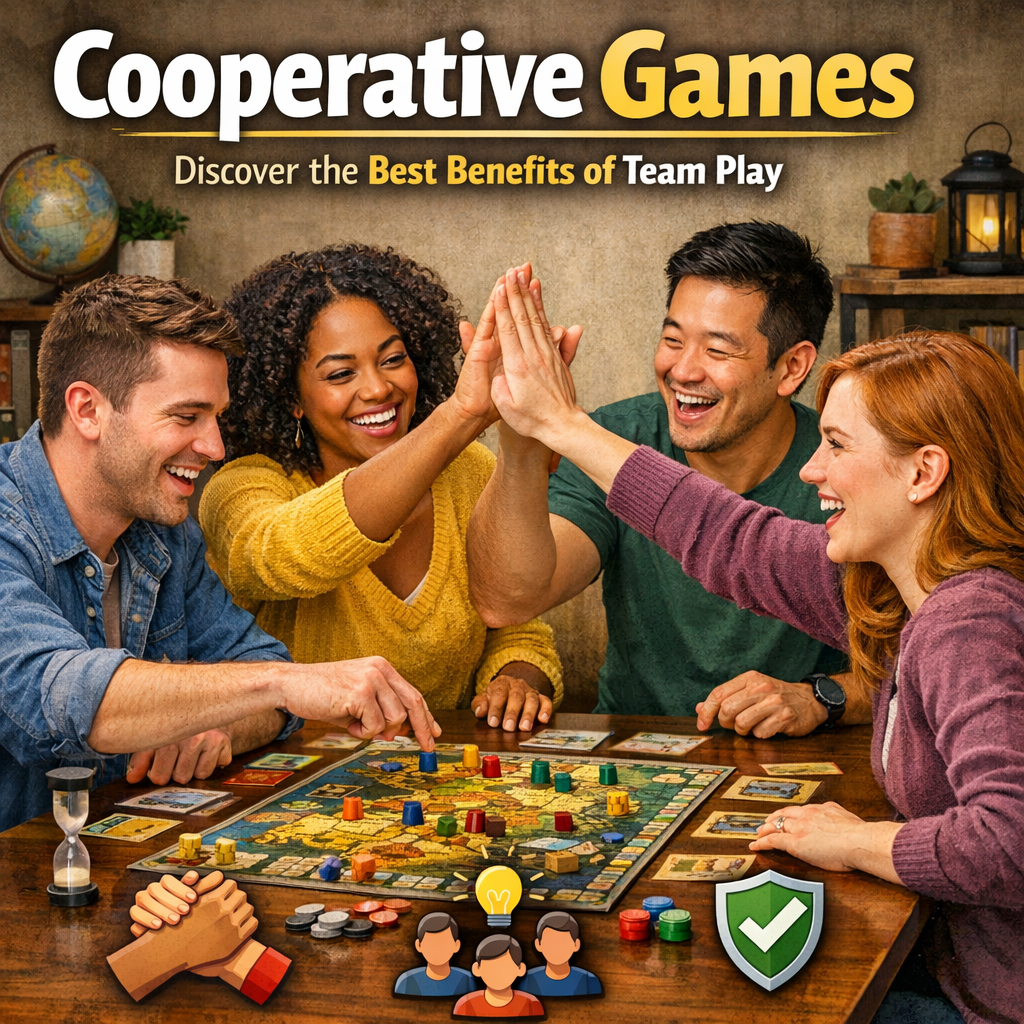
What Are Cooperative Games?
Cooperative games are designed to encourage players to work together towards a common goal. Instead of competing against each other, participants join forces to achieve objectives, solve problems, or complete tasks. This approach prioritizes collective success over individual victories, creating an inclusive environment that promotes teamwork.
Why Choose Cooperative Games?
Choosing cooperative games means prioritizing collaboration, empathy, and communication over individual competition. These games are ideal for classrooms, family gatherings, and social settings because they:
– Encourage active listening and constructive communication.
– Foster a sense of community and belonging.
– Provide a platform for sharing skills and knowledge.
The Benefits of Team Play
Enhancing Social Skills
1. Improved Communication: Cooperative games require players to communicate effectively to strategize and solve problems. Through repeated interaction, participants become more articulate and attentive listeners.
2. Empathy and Understanding: As players work together, they learn to appreciate different perspectives, fostering empathy and understanding within the group.
Building Teamwork and Collaboration
1. Shared Goals: Focusing on shared objectives helps players realize the importance of working together, aligning their skills and efforts for a successful outcome.
2. Conflict Resolution: By interacting in a cooperative setting, participants develop better conflict resolution skills, learning to manage disagreements constructively.
Cognitive and Emotional Development
1. Problem-Solving Skills: Many cooperative games involve strategic thinking and problem-solving, enhancing cognitive abilities as players devise creative solutions.
2. Emotional Resiliency: Facing challenges together promotes emotional resilience. Players experience a range of emotions in a supportive environment, fostering adaptive coping strategies.
Creating Positive Group Dynamics
1. Trust and Reliability: Successful teamwork relies on trust and dependability, essential components of strong group dynamics.
2. Leadership Opportunities: Cooperative games provide opportunities for leadership development as players take turns guiding the group toward their goals.
Popular Types of Cooperative Games
Board Games
Some of the most engaging cooperative board games include:
– Pandemic: Players work together to stop global outbreaks of infectious diseases.
– Forbidden Island: A treasure hunt on a shrinking island requiring collaboration to survive.
Outdoor Activities
Cooperative outdoor activities are perfect for physical engagement and teamwork:
– Capture the Flag: Teams must strategize to capture the opponent’s flag while defending their own.
– Trust Fall: A classic activity fostering trust and support within groups.
Digital and Online Games
In the digital realm, games like these offer cooperative experiences:
– Minecraft: Players build and explore virtual worlds together.
– Overcooked!: A fast-paced kitchen chaos game requiring close teamwork and coordination.
Educational Games
For educators and parents seeking learning opportunities, educational cooperative games provide both fun and development:
– Brain Baba Kids Learning App: This app offers interactive and educational games for children, promoting cognitive skills and teamwork. You can download the app for kids from the Apple App Store.
How to Choose the Right Cooperative Game
Consider the Age Group
When selecting a cooperative game, consider the age range of participants. Younger players benefit from simpler tasks, while older groups may enjoy more complex challenges.
Evaluate the Skill Level
Choose games that match the skill levels of participants. Games should offer a balanced challenge that is neither too easy nor too hard for the group.
Set Clear Goals and Guidelines
Clear objectives and guidelines ensure everyone understands the game rules and their roles, enhancing the cooperative experience.
Tips for Facilitating Cooperative Games
1. Be Inclusive: Ensure that all participants have a role and feel valued in the game.
2. Encourage Communication: Promote open dialogue to enhance understanding and prevent misunderstandings.
3. Reflect Post-Game: After the game, facilitate a discussion about what worked, what didn’t, and what players learned.
Internal Resources to Improve Team Play
Explore more resources for effective team play on our site:
– 5 Strategies for Effective Team Building: Learn how to create stronger teams.
– The Importance of Play in Child Development: Discover how play influences growth.
– Encouraging Positive Social Interactions in Schools: Guide students to build healthy relationships.
Frequently Asked Questions
What are the primary benefits of cooperative games for children?
Cooperative games help children develop essential life skills such as communication, teamwork, and problem-solving. They also promote social-emotional learning by fostering empathy, understanding, and emotional resilience.
How do cooperative games differ from competitive games?
Unlike competitive games, where individual success is the focus, cooperative games emphasize collective achievement and teamwork. This approach reduces pressure and stress, creating a more inclusive and supportive environment.
Are there cooperative games suitable for adults?
Yes, there are many cooperative games designed for adults, including strategic board games like Pandemic and digital games like Minecraft. These games provide opportunities for bonding and collaborative problem-solving, making them perfect for adult social gatherings or team-building events.
Can cooperative games be educational?
Absolutely! Many cooperative games, such as those on the Brain Baba Kids Learning App, are educational, combining learning with fun. These games are specifically designed to develop cognitive skills and encourage teamwork among young learners.
How can cooperative games improve family bonding?
Cooperative games encourage family members to work together, communicate, and solve problems as a team. This shared goal-setting and problem-solving can strengthen family relationships and create memorable bonding experiences.
Conclusion: Embrace Cooperative Games for Growth and Fun
Cooperative games offer a wealth of benefits, from enhancing social skills to building teamwork and promoting cognitive development. Whether played in classrooms, at home, or in digital spaces, these games nurture a culture of collaboration and mutual support. By choosing cooperative games, parents and educators can create dynamic environments that foster learning, growth, and, most importantly, enjoyment.
Take the first step in transforming your child’s playtime into a learning adventure. Encourage them to join their friends in a cooperative game or explore educational apps like the Brain Baba Kids Learning App. Start today and witness the positive impacts of team play on their development!