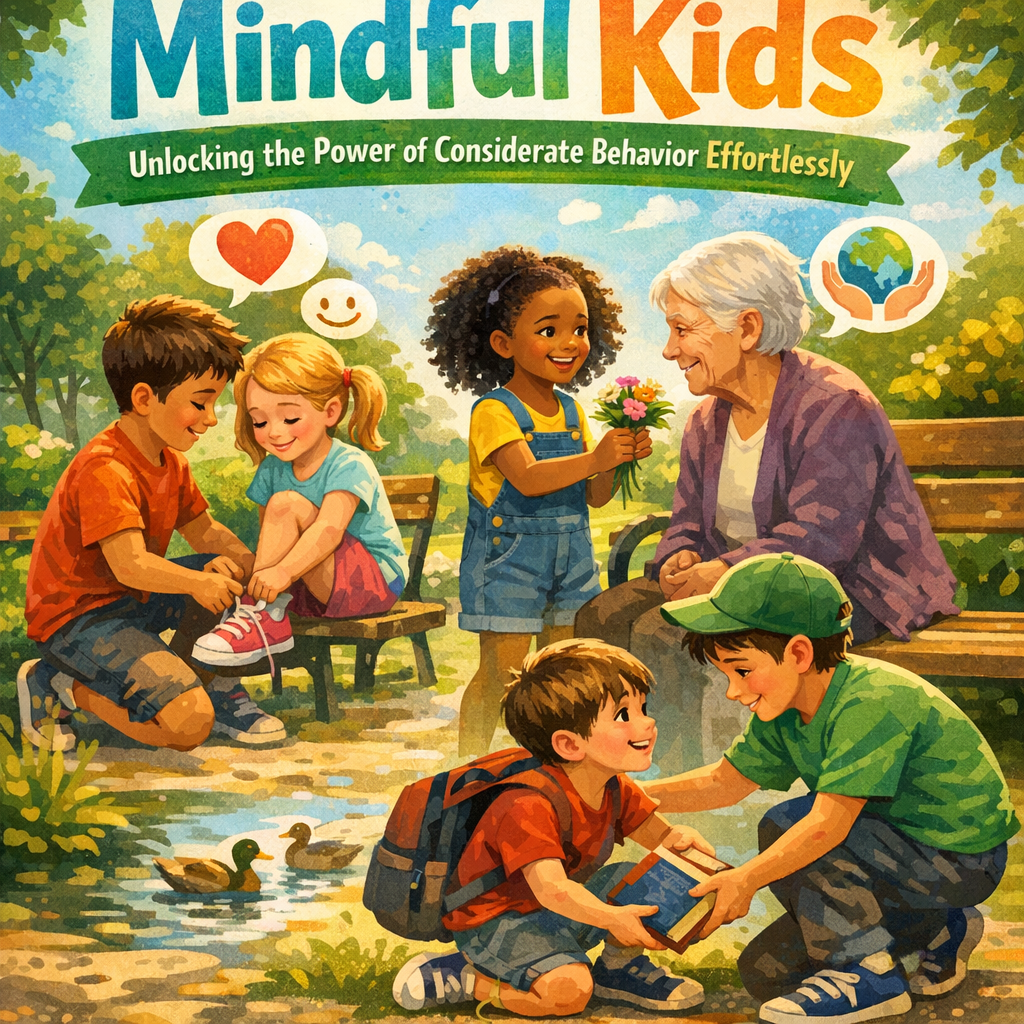
Mindful Kids: Unlocking the Power of Considerate Behavior Effortlessly
In today’s fast-paced world, encouraging mindful kids to cultivate considerate behavior is paramount. This approach fosters not only empathy and respect but also contributes to their overall well-being and social development. Understanding how to guide children toward mindfulness is an empowering skill for parents and educators alike. This comprehensive guide provides actionable insights, strategies, and resources to unlock the potential of young minds effortlessly.
Understanding Mindfulness in Children
What is Mindfulness?
Mindfulness is the practice of being present and fully engaged with the current moment, without judgment. For kids, this means developing an awareness of their thoughts, emotions, and surroundings. By practicing mindfulness, children can learn to manage stress, improve focus, and enhance their emotional intelligence.
Benefits of Mindfulness for Kids
Mindfulness offers numerous benefits, including:
– Improved focus and concentration
– Enhanced emotional regulation
– Better stress management
– Increased empathy and compassion
– Enhanced interpersonal skills
The Role of Parents and Educators
Parents and educators play a crucial role in nurturing mindfulness in children. By modeling mindful behavior and creating environments that support this practice, they can instill these values effectively.
Strategies to Cultivate Mindful Kids
1. Integrating Mindfulness into Daily Routines
Incorporating mindfulness into daily activities can make the practice natural and sustainable:
– Start the Day Mindfully: Encourage morning routines that include short meditation or breathing exercises.
– Mindful Eating: Teach children to appreciate their meals by focusing on the taste, texture, and smell of food.
2. Encouraging Mindful Communication
Listening and speaking mindfully enhances considerate behavior:
– Active Listening: Teach kids to listen attentively without interrupting.
– Expressing Themselves: Encourage them to articulate their feelings clearly and respectfully.
3. Using Mindful Games and Activities
Interactive games can make mindfulness engaging:
– Mindful Breathing Exercises: Use activities like blowing bubbles to teach deep breathing.
– Body Scans: Implement activities that help children focus on different parts of their body to enhance awareness.
Creating a Mindful Environment
Designing Spaces for Mindfulness
A child’s environment impacts their ability to practice mindfulness:
– Calming Corners: Designate areas in homes or classrooms for relaxation and reflection.
– Nature Walks: Engage in outdoor activities that promote observation and connection with nature.
Incorporating Technology Mindfully
Technology, when used wisely, can support mindfulness practices:
– Educational Apps: Tools like the Brain Baba Kids Learning App offer interactive learning experiences that nurture mindfulness.
– Screen Time Awareness: Set boundaries on screen usage and include mindful breaks.
Role of Mindfulness in Developing Considerate Behavior
Enhancing Empathy and Understanding
Mindfulness nurtures empathy:
– Perspective-Taking: Activities like role-playing help children understand others’ viewpoints.
– Storytelling: Reading books that highlight diverse characters can foster emotional connections.
Building Emotional Resilience
Mindful practices bolster emotional strength:
– Journaling: Encourage kids to write about their daily experiences and emotions.
– Mindful Journals: Use gratitude journals to help children focus on positive experiences.
Fostering Positive Social Interactions
Mindful kids are more likely to engage in positive social behaviors:
– Conflict Resolution: Teach techniques for resolving disagreements calmly and respectfully.
– Team Activities: Group projects that require collaboration enhance teamwork and empathy.
Integrating Mindfulness in Educational Settings
Mindful Classroom Practices
Integrating mindfulness in schools can enhance learning environments:
– Mindful Minutes: Regular sessions of quiet reflection can improve focus.
– Peer Support Systems: Encourage students to support each other’s mindfulness journeys.
Professional Development for Educators
Training for teachers ensures successful implementation:
– Workshops and Seminars: Provide training opportunities focused on mindful teaching strategies.
– Resource Sharing: Encourage educators to share successful practices and materials.
Measuring the Impact of Mindful Practices
Evaluating Behavioral Changes
Assessing the effectiveness of mindfulness initiatives:
– Behavioral Assessments: Use tools to evaluate changes in student behavior and attitudes.
– Feedback Mechanisms: Collect input from children, parents, and teachers to gauge success.
Research and Case Studies
Stay informed with the latest studies:
– Longitudinal Studies: Review research highlighting long-term benefits of mindfulness.
– Success Stories: Explore case studies showcasing successful implementations in various settings.
FAQ Section
1. How can I introduce mindfulness to my child?
Start with simple practices like deep breathing and mindful listening. Make these activities fun and engaging, gradually incorporating them into daily routines.
2. Are there recommended resources for teaching mindfulness to kids?
Yes! Numerous apps, books, and online courses are available. For a tech-based approach, consider using the Brain Baba Kids Learning App to make learning interactive.
3. What age should mindfulness practices be initiated?
Mindfulness can be introduced at any age. Even toddlers can benefit from simple activities like mindful breathing or listening to calming music.
4. Can mindfulness help with behavioral issues?
Yes, mindfulness can improve emotional regulation and reduce impulsivity, helping children manage behavioral challenges more effectively.
5. How do I engage reluctant children in mindfulness activities?
Incorporate mindfulness into activities your child already enjoys. Use games, stories, or outdoor activities to maintain their interest and gradually introduce more structured practices.
Conclusion
Unlocking the power of mindfulness in children not only enhances their considerate behavior but also contributes to their holistic development. By integrating mindful practices both at home and in educational settings, parents and educators pave the way for a more compassionate and empathetic future generation. Start your journey today and download the Brain Baba Kids Learning App to support your child’s mindfulness practice in a fun and interactive way. Embrace these strategies and witness the transformative impact of mindfulness on young minds.