Toddler Independence: Unlock Stunning Self-Help Skills for Effortless Growth
In the journey of raising children, fostering toddler independence is a milestone that holds unending value. The formative years are not just about physical growth but also about developing self-reliance and cognitive abilities. Cultivating these self-help skills is essential, and understanding how to do so effectively can ease this developmental phase.
The Importance of Toddler Independence
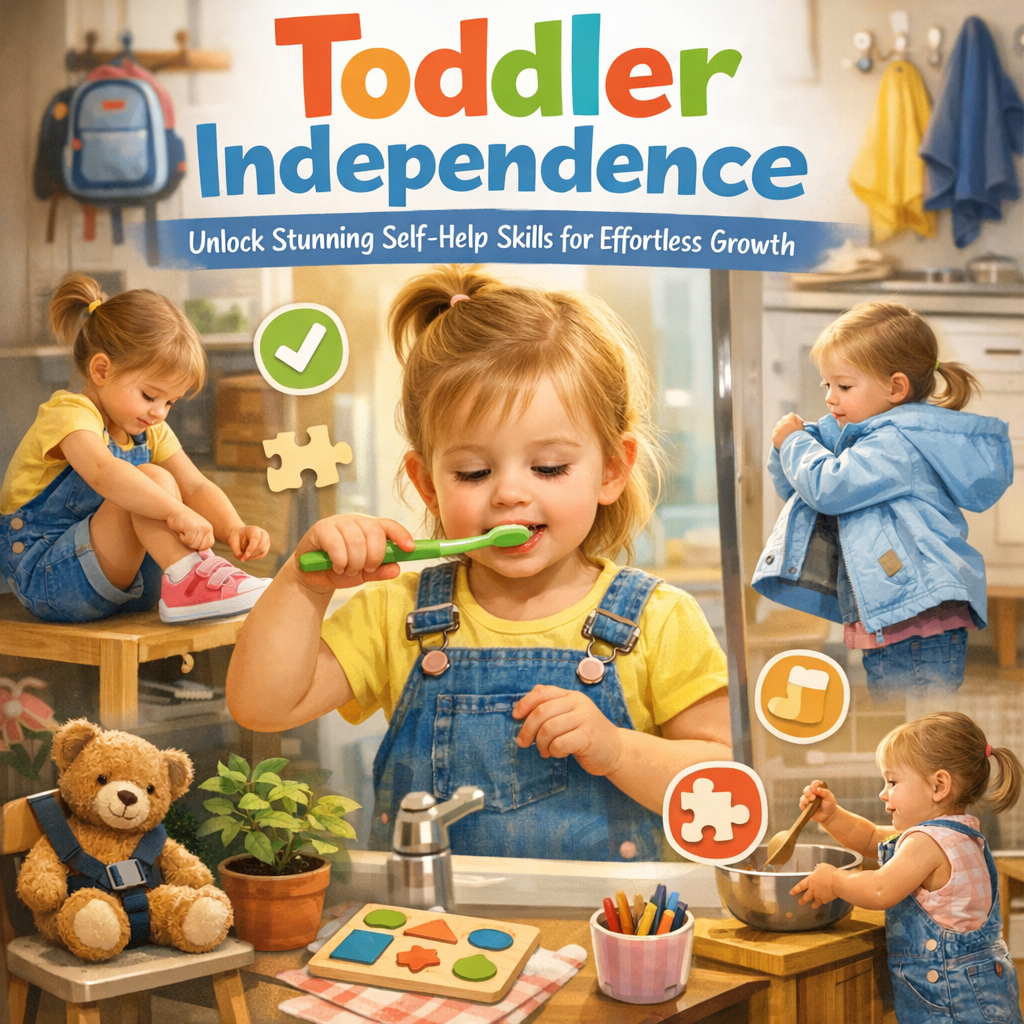
As parents and educators, encouraging toddler independence is crucial because it allows toddlers to gain a sense of control and confidence. This step towards autonomy paves the way for lifelong learning and adaptability. Having self-help skills enhances emotional intelligence and social adaptability, forming a foundation for future success.
Benefits of Developing Self-Help Skills
1. Confidence Building: Completing tasks independently boosts self-esteem.
2. Problem-Solving: Encountering challenges promotes critical thinking.
3. Responsibility: Early autonomy instills a sense of responsibility.
4. Motor Skills: Engaging in self-help activities refines motor abilities.
Key Areas of Self-Help Skills for Toddlers
To enhance toddler independence, focus on developing these essential areas:
1. Dressing and Undressing
Encouraging toddlers to dress themselves is a critical skill that fosters independence. Start with simple tasks, such as putting on socks or a hat. Gradually introduce more complex tasks as they gain confidence.
– Use clothing with easy fastenings like velcro or elastic waistbands.
– Create a routine: Dressing at the same time each day reinforces the habit.
– Celebrate small victories to motivate them further.
2. Feeding Themselves
Allowing toddlers to feed themselves is vital in developing fine motor skills and self-reliance. Offer foods that are easy to handle, like finger foods.
– Introduce child-sized utensils to improve grip.
– Encourage choice-making by offering a variety of healthy options.
– Reinforce good manners and hygiene during meal times.
3. Toilet Training
Toilet training is a significant step towards independence. Patience and consistency are key.
– Recognize signs of readiness, such as showing interest in the toilet.
– Use training pants and have a dedicated potty area.
– Provide positive reinforcement and never punish accidents.
For detailed strategies on toilet training, visit our comprehensive guide on potty training techniques.
Encouraging Exploration and Curiosity
4. Independent Play
Independent play not only boosts imagination but also nurtures problem-solving skills. Offer toys that encourage creativity without rigid rules.
– Set up a safe play space where toddlers can explore freely.
– Rotate toys to keep the environment stimulating.
– Limit screen time and encourage physical activity.
5. Choosing Activities
Allow toddlers to choose activities or tasks they wish to engage in. This enhances decision-making skills and boosts confidence.
– Provide options and guide them to make choices.
– Celebrate their interests and provide related resources.
Explore our article on creative play ideas to ignite your child’s imagination.
Fostering Emotional Independence
6. Expressing Emotions
Teach toddlers to express their feelings in constructive ways. Emotional intelligence is as crucial as cognitive development.
– Use storytelling to help them identify and understand emotions.
– Encourage open communication and active listening.
– Model appropriate emotional responses.
For more on nurturing emotional intelligence, see our article on emotional learning for young children.
7. Social Interaction
Interacting with peers is fundamental for toddlers to learn sharing and cooperation.
– Arrange playdates with children of similar age groups.
– Encourage activities that require teamwork and collaboration.
– Teach conflict resolution in a positively enforced environment.
Practical Strategies for Encouraging Toddler Independence
Establishing Routines
Routines provide toddlers with a sense of security and predictability. Consistent routines help them understand expectations and develop self-discipline.
– Set structured times for meals, play, and bedtime.
– Use visual schedules to help non-readers follow routines.
Offering Choices
Giving toddlers choices empowers them and builds decision-making skills.
– Provide limited options to prevent overwhelming feelings.
– Encourage them to make choices about daily activities, like snacks or books.
Modeling and Teaching
Modeling behavior is one of the most effective teaching tools for toddlers.
– Demonstrate tasks step-by-step and involve them in daily chores.
– Use positive language and reinforcement to guide behaviors.
Supporting Independence with Technology
In today’s digital age, leveraging technology can support and enhance independence. Educational apps like the Brain Baba Kids Learning App offer a platform for children to explore learning at their own pace, thus promoting independence.
Explore and download the app for kids to enrich your child’s learning environment.
FAQs: Nurturing Independent Toddlers
How can I encourage my toddler to dress independently?
Start with easy-to-wear clothes and involve them in choosing outfits. Celebrate when they succeed, and gently correct mistakes with encouragement rather than criticism.
When should I start toilet training my toddler?
Look for signs of readiness such as showing interest in the toilet, staying dry for longer periods, and understanding instructions. Typically, this occurs between 18 to 24 months.
How can I deal with toddler frustration while promoting independence?
Acknowledge their feelings, provide reassurance, and encourage problem-solving. Offer plenty of patience and remember progress may come with setbacks.
Should I use rewards to encourage independence?
Use praise and encouragement, focusing on effort rather than results. Small rewards are fine but should not become expectations.
What if my toddler refuses to participate in independent activities?
Gently encourage and offer guidance without forcing. Create a balance between structured and free exploration to cater to their unique pace.
Conclusion: Take Action for Your Toddler’s Growth
Fostering toddler independence is an ongoing process requiring patience, encouragement, and creativity. By focusing on self-help skills and providing a nurturing environment, you can empower your child to navigate the world with confidence and curiosity.
Encourage exploration, use technology wisely, and always celebrate small achievements. For a vast array of resources, check out other insightful articles on our site, like our guide on fostering cognitive development and tips for enhancing social skills.
Start today by identifying small areas where you can encourage independence. Watch as your toddler flourishes and gains the confidence to take on new challenges.