Learning Styles: Unlock Effortless Success with Personalized Education
In today’s educational landscape, understanding and leveraging “learning styles” can unlock the door to effortless success for students of all ages. Personalized education, tailored to each individual’s unique way of learning, not only enhances understanding but also fosters a lifelong love for learning. This article dives deep into the world of learning styles and how personalized education can revolutionize teaching strategies, resulting in more effective and engaging learning experiences.
Understanding Learning Styles
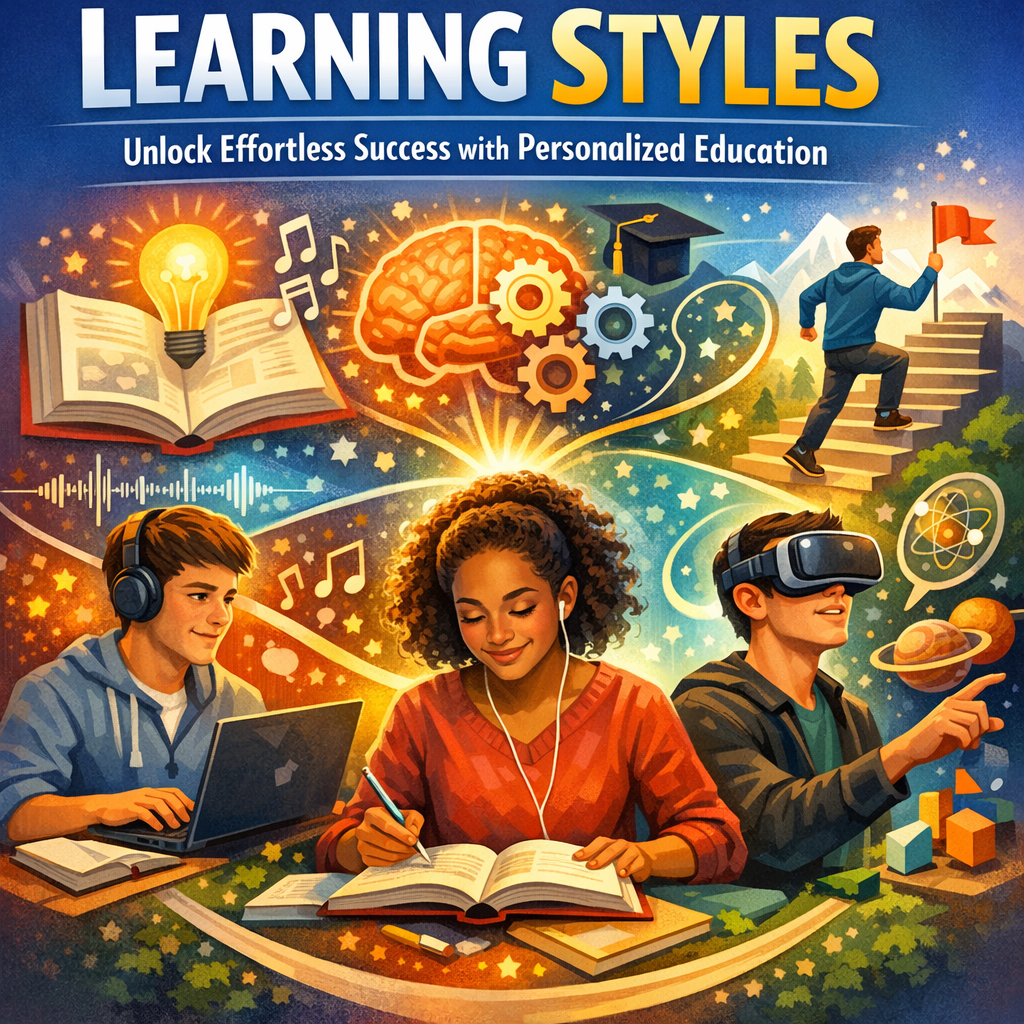
What Are Learning Styles?
Learning styles refer to the different ways in which individuals best process, comprehend, and retain information. Each person has a preferred method of learning, which can significantly impact their educational journey. These styles are typically categorized into visual, auditory, and kinesthetic methods, but there are also more nuanced models that include factors like social interaction and logical reasoning.
The Importance of Recognizing Learning Styles
Recognizing a student’s learning style is crucial in tailoring educational approaches. Here’s why understanding these styles matter:
– Enhances engagement and motivation
– Improves retention and application of knowledge
– Reduces frustration and enhances self-esteem
– Provides strategies for overcoming learning obstacles
Main Types of Learning Styles
1. Visual Learning
Visual learners benefit from seeing information. They thrive on diagrams, charts, and written directions. Incorporating visual aids in lessons can significantly enhance a visual learner’s comprehension and retention.
2. Auditory Learning
Auditory learners excel when information is presented through sound. They often benefit from reading out loud, group discussions, and listening to lectures or audio books.
3. Kinesthetic Learning
Kinesthetic learners prefer a hands-on approach. Physical involvement and experimentation assist these learners in grasping complex concepts. Activities such as role-playing or building models can be particularly effective.
Personalized Education: A Tailored Approach to Learning
The Role of Personalized Education
Personalized education adapts teaching methods to fit the unique learning style of each student. Its goal is to meet students where they are and help them get to where they need to be, focusing on individual strengths and needs.
Advantages of Personalized Education
Adopting a personalized approach offers numerous benefits:
– Increased Engagement: Lessons aligned with learning preferences capture students’ interests.
– Higher Achievement: Tailored learning experiences encourage academic success.
– Enhanced Self-awareness: Students gain insights into their own learning processes.
– Flexibility and Adaptability: Encourages adaptability to various learning environments.
Implementing Personalized Education in the Classroom
To integrate personalized education:
– Identify Learning Styles: Use assessments and observations to determine each student’s preferred style.
– Differentiate Instruction: Vary teaching methods to address diverse learning needs.
– Use Technology: Apps like the Brain Baba Kids Learning App can provide personalized learning content tailored to different styles.
– Continuous Feedback: Regularly assess effectiveness and adjust strategies as needed.
Actionable Strategies for Educators
Creating a Learning Styles Inventory
Design or adopt a learning styles inventory to help identify each student’s preferred method of learning. This insight assists in structuring lessons that accommodate diverse preferences.
Developing Multi-Sensory Lessons
Use a combination of visual, auditory, and kinesthetic elements to cater to all learning styles within a single lesson. For example:
– Visual: Graphic organizers and videos
– Auditory: Group discussions and podcasts
– Kinesthetic: Interactive labs and field trips
Leveraging Technology
Incorporate educational apps and platforms that offer tailored content and adaptive learning paths. Digital tools are excellent for providing customized experiences that are engaging and effective.
Collaborative Learning Opportunities
Facilitate group activities where students can learn from each other. This promotes social interaction and diverse perspectives, which can be particularly beneficial for social/interpersonal learners.
Continuous Professional Development
Educators should engage in regular training and workshops to stay updated with the latest research and strategies in personalized education.
Common Challenges and Solutions
Overcoming Resistance to Change
Implementing new strategies can be met with resistance. Address this by:
– Communicating Benefits: Clearly explain the advantages of personalized education to all stakeholders.
– Providing Support: Offer resources and training for teachers to ease the transition.
Balancing Individual Needs with Curriculum Demands
Striking the right balance can be challenging. Effective solutions include:
– Integrating personalized elements within the existing curriculum
– Collaborating with colleagues to share successful strategies
Managing Limited Resources
Limited resources can hinder the implementation:
– Leverage free or low-cost digital tools
– Encourage resource-sharing among educators
The Role of Parents in Personalized Education
Parents play a crucial role in supporting personalized learning at home. Here’s how they can contribute:
– Recognize and nurture their child’s learning style
– Provide a supportive learning environment
– Communicate regularly with educators to align home and school strategies
– Utilize educational apps to reinforce learning, such as the Brain Baba Kids Learning App
Measuring Success of Personalized Education
Indicators of Success
Evaluate the efficacy of personalized education through:
– Improved academic performance
– Increased student engagement and participation
– Positive student feedback and attitudes towards learning
Tools for Assessment
Consider using tools like surveys, learning analytics, and self-assessment questionnaires to gather insights and adjust strategies accordingly.
FAQs
1. How do you identify a child’s learning style?
Identifying a child’s learning style involves observing their interactions with various learning materials and using structured assessments or quizzes designed to highlight preferred learning methods.
2. Can a child have more than one learning style?
Yes, children often exhibit characteristics of multiple learning styles. It’s important to recognize dominant trends while allowing flexibility to accommodate various preferences.
3. How does personalized education impact student motivation?
Personalized education boosts motivation by presenting learning in ways that resonate with students, making lessons more engaging and less intimidating.
4. What are some effective tools for personalized learning?
Digital tools like adaptive learning software, educational apps, and online platforms can offer tailored educational experiences. For younger children, the Brain Baba Kids Learning App is recommended.
5. How can educators overcome the challenges of implementing personalized education?
By fostering open communication, ongoing professional development, and utilizing available technology, educators can effectively integrate personalized education strategies within their classrooms.
Conclusion
Understanding and embracing diverse learning styles is crucial for unlocking the potential of personalized education. By implementing tailored strategies, educators can significantly enhance the learning experience, leading to greater student success and satisfaction. Parents and teachers alike are encouraged to explore and incorporate these innovative practices. Start transforming your educational approach today and witness the unmistakable benefits of personalized learning. For enhanced learning tools, consider exploring the Brain Baba Kids Learning App for a dynamic educational experience.