Learning Environment Hacks: Crafting an Effortless Home School Setup
Creating an effective learning environment for homeschooling can be a game-changer for both parents and children. Amidst the ever-evolving educational landscape, parents are seeking innovative ways to ensure their children receive a comprehensive education at home. With the right strategies and tools, the home school setup can make learning a seamless and enjoyable journey. This article delves into actionable, expert-level information on building a conducive learning environment that meets the diverse needs of children.
Why a Thoughtful Learning Environment Matters
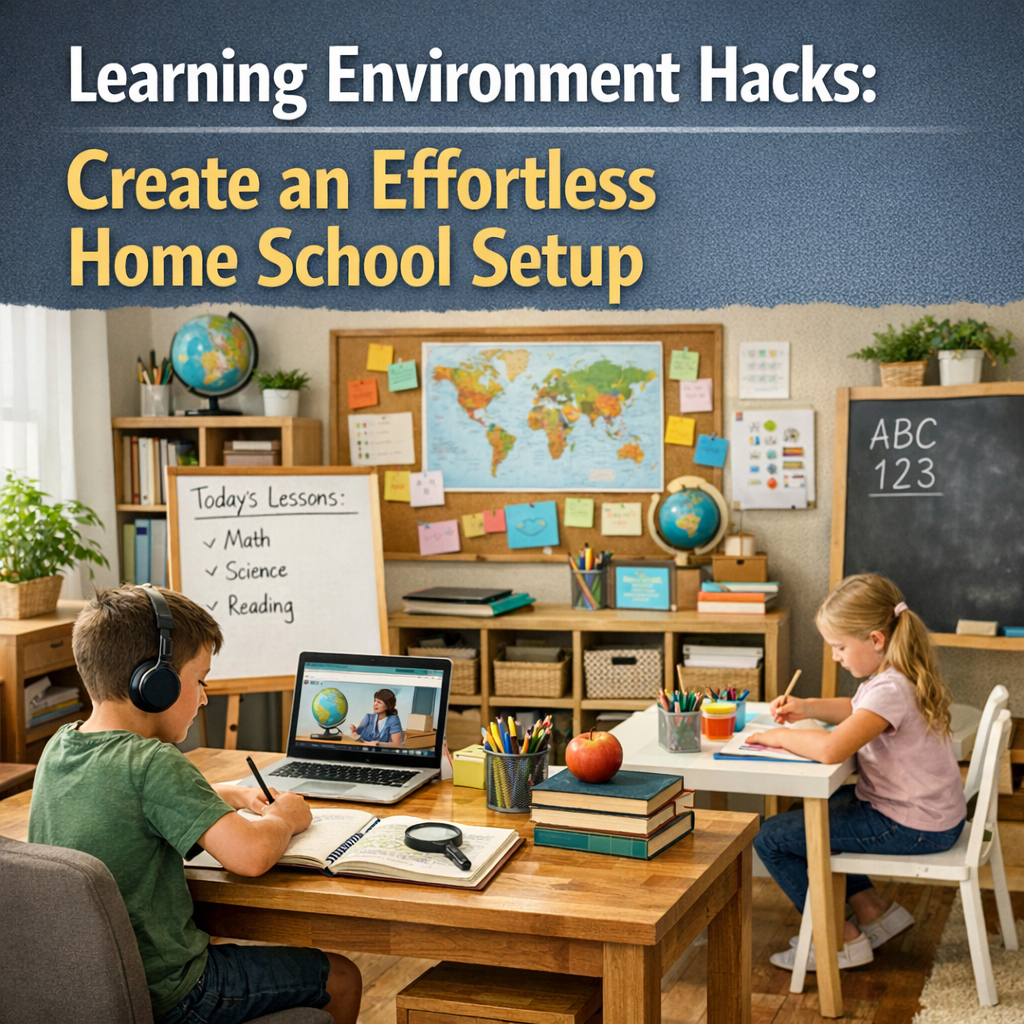
Designing an intentional learning environment is pivotal for nurturing a child’s curiosity and academic progress. A well-structured home school setup fosters focus, creativity, and motivation, enhancing overall learning outcomes. But why is this environment so crucial?
– Enhanced Concentration: A thoughtfully arranged space minimizes distractions.
– Boosted Motivation: Inspirational settings encourage students to engage with the material.
– Improved Organization: Systematic layouts promote better resource management.
– Customized Learning: Tailored setups cater to individual learning styles and needs.
For parents interested in expanding their children’s learning adventures, consider exploring the Brain Baba Kids Learning App, a resourceful tool available to download here.
Designing the Perfect Learning Space
1. Evaluate Your Home’s Layout
Start by observing your current home setup to identify a suitable area for learning. This space should be separate from high-traffic areas to ensure a peaceful environment.
– Space Assessment: Identify locations free from frequent household interruptions.
– Lighting Considerations: Opt for spaces with ample natural light to boost mood and concentration.
– Adaptability: Ensure the area can be easily adjusted to suit varying educational needs.
2. Essential Furniture and Tools
Having the right furniture in your home school environment is fundamental. Desks, chairs, and storage solutions contribute greatly to the learning experience.
– Ergonomic Furniture: Invest in desks and chairs that promote good posture.
– Storage Units: Use shelves and cabinets to keep materials organized and accessible.
– Multipurpose Tools: Incorporate boards or desks with whiteboard surfaces for diverse instructional needs.
3. Incorporate Technology Wisely
Digital tools can significantly enhance the learning experience when used correctly. However, it’s important to balance screen time with other educational activities.
– Essential Devices: Equip the space with necessary technology like computers or tablets.
– Educational Apps: Select apps that enrich the curriculum, such as Brain Baba.
– Internet Safety: Implement parental controls and teach children about responsible online behavior.
4. Creating a Routine with Flexibility
Establishing a consistent learning routine helps anchor daily activities, providing stability and predictability.
– Timetabling: Create schedules that reflect both academic obligations and personal time.
– Flexible Learning: Allow room for spontaneous exploration and breaks to boost engagement.
– Routine Review: Regularly assess the schedule to accommodate developing interests or challenges.
Personalizing the Learning Experience
5. Understanding Learning Styles
Not every child learns the same way. Tailoring the educational approach to individual learning styles can facilitate better comprehension and retention.
– Visual Learners: Utilize charts, diagrams, and visual aids.
– Auditory Learners: Integrate discussions, read-aloud sessions, and audio books.
– Kinesthetic Learners: Involve hands-on activities and physical movement in lessons.
6. Creating an Inspirational Atmosphere
The environment should inspire a love for learning. Enhancing the space aesthetically can transform the educational experience.
– Decor and Design: Use educational posters and art to beautify the space.
– Motivational Quotes: Display quotes that inspire curiosity and perseverance.
– Incorporating Nature: Integrate plants or nature-themed decor to create a calming effect.
Leveraging External Resources
7. Engaging with External Learning Tools
To complement the home school setup, using external resources and apps can provide comprehensive educational support.
– Apps for Learning: Leverage apps like the Brain Baba Kids Learning App for diverse educational content.
– Community Resources: Involve your children in local learning opportunities or virtual clubs.
– Library Access: Regular visits to the library or their online resources can provide additional learning materials.
Addressing Common Homeschooling Challenges
8. Balancing Roles
Managing the dual roles of teacher and parent can be daunting. Establishing boundaries and clear expectations is crucial.
– Defined Roles: Clearly distinguish between school time and family time.
– Communication Channels: Maintain open lines of communication for feedback on the learning process.
– Seek Support: Don’t hesitate to reach out to local homeschooling groups for advice and assistance.
9. Keeping the Momentum
Sustaining interest and energy throughout the school year requires creativity and patience.
– Varied Instruction Methods: Rotate activities and subjects to sustain enthusiasm.
– Regular Feedback: Implement regular check-ins to celebrate achievements and identify areas for improvement.
– Goal Setting: Establish short- and long-term academic goals to keep motivation high.
FAQs about Home Schooling Setup
What is the best way to start homeschooling?
Initiating homeschooling begins with understanding state regulations, choosing curricula that cater to your child’s needs, and setting up a structured learning environment. Evaluate resources like educational apps and community support networks for additional help.
How can I keep my child motivated?
Maintaining motivation involves creating an engaging and supportive learning environment, integrating fun activities, and involving children in the planning of their learning journey. Celebrating achievements and providing constructive feedback also go a long way.
What if my child struggles with certain subjects?
If your child struggles with specific topics, consider diversifying your teaching methods or employing specialized educational tools like tutoring or adaptive learning apps. Exploring alternative resources can offer fresh perspectives and solutions.
How do I manage socialization in a home school setting?
Socialization can be managed by enrolling children in extracurricular classes, sports teams, and local homeschool groups. Virtual networks and learning apps also offer opportunities for interaction and sociability.
Are there resources for children with special educational needs?
Yes, there are numerous resources and specialized programs that accommodate varying educational needs. Many apps and tools offer customizable features to support specific learning challenges, ensuring a comprehensive educational experience for all.
Conclusion: Take the First Step Toward an Effortless Home School Setup
Creating a nurturing learning environment at home is the foundation of a successful educational journey. With the right setup, tools, and mindset, parents can guide their children to academic success and beyond. Engage deeply with your child’s education, explore comprehensive resources like the Brain Baba Kids Learning App, and take proactive steps to build an articulate, adaptive home school setup. Embrace this educational adventure and watch as it transforms not only your child’s learning but their enthusiasm for acquiring knowledge.
Call to Action: Begin crafting your perfect home school setup today. Experiment with these strategies, explore external resources, and tailor a learning environment that elevates your child’s educational experience.