Healthy Habits for Kids: Stunning Wellness Tips Every Parent Must Know
In today’s fast-paced world, fostering healthy habits in children is paramount to ensuring their lifelong well-being. The foundation you lay for your child’s health early on will serve as a cornerstone for their development, both physically and mentally. In this article, we delve into comprehensive strategies and expert tips to help parents cultivate wellness in kids—building habits that last a lifetime.
The Importance of Healthy Habits for Children
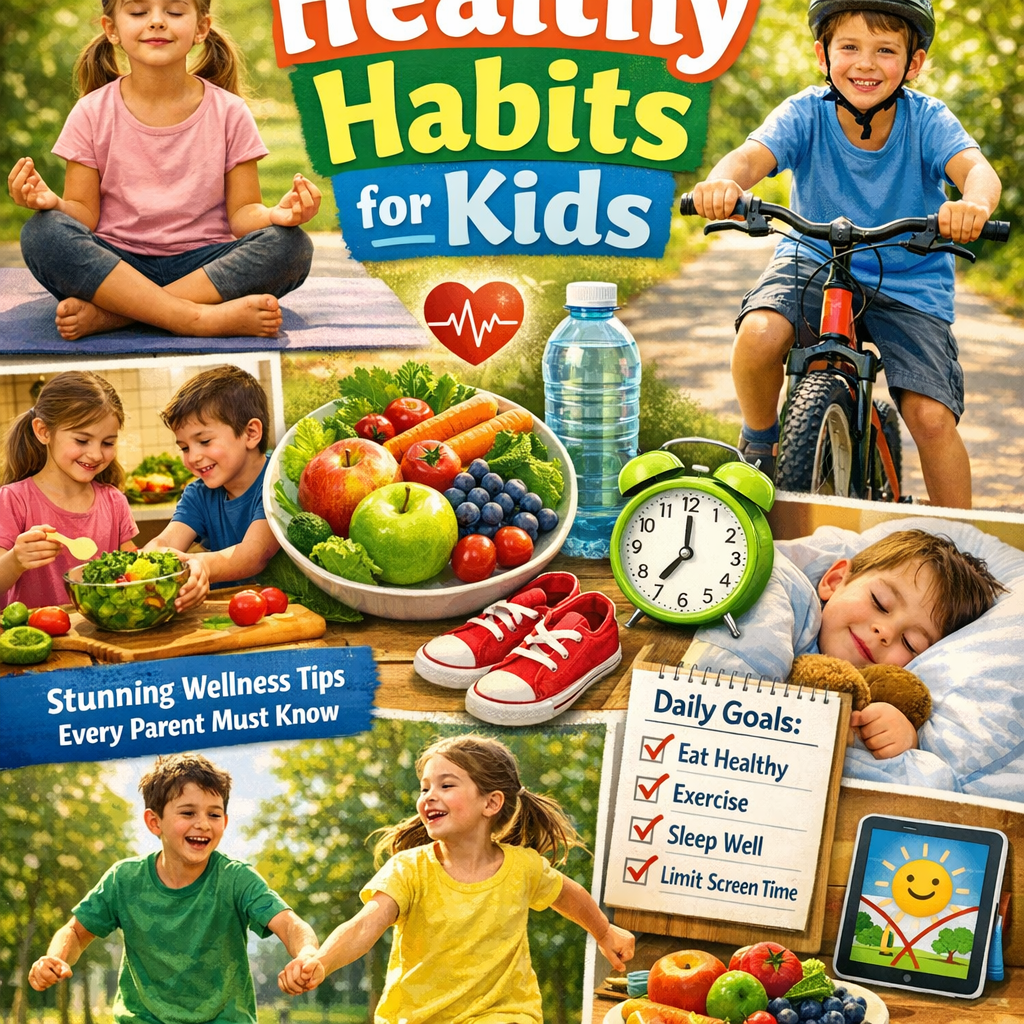
Establishing healthy habits for kids is not just about maintaining their physical health but also about nurturing their emotional and mental well-being. These habits significantly influence their academic performance, social interactions, and overall happiness. Understanding the nuances of child wellness allows parents and educators to implement effective routines and encourage a holistic development.
Key Benefits of Healthy Habits
1. Improved Physical Health: Enhances immune function and promotes growth.
2. Better Academic Performance: Increases concentration, memory, and cognitive skills.
3. Emotional Stability: Reduces stress and promotes a positive outlook.
4. Social Skills Enhancement: Encourages teamwork and empathy.
Nutrition: The Cornerstone of Child Wellness
Balanced nutrition is critical in cultivating healthy habits in children. Proper dietary choices fuel physical activity, aid brain development, and establish lifelong preferences.
Essential Components of a Child’s Diet
– Proteins: Essential for growth and repair. Include lean meats, eggs, and legumes.
– Carbohydrates: Provide the necessary energy for daily activities. Opt for whole grains over processed options.
– Fats: Essential for brain development. Incorporate healthy fats such as avocados and nuts.
– Vitamins and Minerals: Fruits and vegetables provide essential nutrients. Encourage a colorful plate to ensure a variety.
Strategies to Encourage Healthy Eating
– Meal Planning: Involve children in planning and preparing meals to develop interest and awareness.
– Healthy Substitutes: Swap unhealthy snacks with nutritious options like fruits, nuts, and yogurt.
– Consistent Mealtimes: Establish regular mealtimes to instill routine and discipline.
For further reading on balanced diets for children, check out our article on Nutritional Needs for Growing Kids.
Physical Activity: More Than Just Exercise
Physical activity is integral to promoting wellness in kids. It doesn’t just enhance physical fitness but also contributes to emotional health and social skills.
Types of Activities to Promote
1. Aerobic Exercises: Activities like cycling, swimming, and running improve cardiovascular health.
2. Strength-building: Encourage climbing and playground play.
3. Flexibility Exercises: Incorporate yoga or dance to enhance flexibility.
Creating a Structured Activity Plan
– Balance: Mix structured sports with unstructured play.
– Variety: Keep things interesting by introducing new activities weekly.
– Family Involvement: Lead by example. Engage in activities as a family to motivate kids.
To explore more ideas for active family engagements, visit our guide to Fun Family Exercises.
Mental Health: Building Resilience and Emotional Intelligence
Developing emotional awareness and resilience in children lays the groundwork for a fulfilling life. Addressing mental health from a young age equips children to handle stress and adversity effectively.
Techniques to Foster Mental Wellness
– Mindfulness: Introduce age-appropriate mindfulness activities to improve emotional regulation.
– Open Communication: Encourage your child to express feelings and thoughts freely.
– Journaling: A simple practice that promotes reflection and emotional processing.
Importance of Social Connections
– Playdates and Group Activities: Social interactions boost self-esteem and empathy.
– Community Involvement: Encourage participation in community events to build a sense of belonging.
For more about fostering emotional intelligence, read our article on Raising Emotionally Intelligent Children.
Sleep: Ensuring Rest for Young Minds
Adequate sleep is a crucial pillar of health that often gets overlooked. A well-rested child is more likely to excel academically and socially.
Recommended Sleep Duration by Age
– Toddlers (1-3 years): 12-14 hours
– Preschoolers (3-5 years): 11-13 hours
– School-age Children (5-12 years): 9-12 hours
Creating a Healthy Sleep Environment
– Consistent Bedtime Routine: Establish a calming pre-sleep routine to signal it’s time to wind down.
– Screen-Free Bedrooms: Limit screen time at least an hour before bed.
– Comfortable Sleep Setting: Ensure a quiet, cool, and dark bedroom for optimal sleep quality.
Discover more about effective sleep routines in our post on Best Bedtime Practices for Kids.
Hygiene: Instilling Good Health Practices
Teaching good hygiene from an early age is vital to preventing illnesses and promoting overall wellness.
Core Hygiene Practices
– Handwashing: Regular and proper handwashing to prevent infections.
– Oral Hygiene: Encouraging twice-daily brushing and flossing.
– Personal Grooming: Regular bathing and nail cutting.
Tools and Techniques
– Visual Charts: Use fun charts and reminders to reinforce routines.
– Reward Systems: Incentivize consistent practices with small rewards.
Explore our article Teaching Kids About Hygiene for more detailed strategies.
Digital Wellness: Navigating Technology Wisely
In the modern digital age, managing technology use is crucial for children’s holistic well-being.
Establishing Healthy Screen Time Habits
– Balanced Use: Set limits on recreational screen time.
– Educational Apps: Encourage the use of educational apps, such as the excellent Brain Baba Kids Learning App, to enhance learning and development.
– Tech-free Zones: Create spaces and times during the day that are technology-free.
FAQs About Healthy Habits for Kids
What are some easy healthy snacks for kids?
Healthy snacks include:
– Fruit slices, like apples or oranges
– Veggie sticks with hummus
– Greek yogurt with honey
– Whole grain crackers with cheese
How can I ensure my child is getting enough physical activity?
Incorporate movement into daily routines with family walks, playdates, or sports. Use frameworks like activity tracking charts to ensure varied and adequate participation.
How do I manage my child’s screen time effectively?
Set clear boundaries and involve your child in creating a tech schedule. Include various activities to minimize reliance on screens and encourage creative play.
What activities help build emotional resilience?
Mindfulness exercises, role-playing different scenarios, and journaling are effective tools. Additionally, reading books that deal with emotions can provide valuable insights.
Why is it important to involve children in their wellness journey?
Involving them fosters independence and accountability and also helps them understand the importance of these habits, making them more likely to continue them into adulthood.
Conclusion
Building healthy habits in children is a continuing journey, but the rewards are immense. By focusing on nutrition, physical activity, mental health, and a balanced approach to technology, we create a nurturing environment for our children to thrive. Start by integrating these tips into your family routine today. Encourage your child’s involvement and make wellness a family mission. By doing so, you set the stage for a healthier, happier future.
To get started on enhancing your child’s learning and development, consider downloading the Brain Baba Kids Learning App. It’s an excellent resource designed to support cognitive growth through engaging activities.
By nurturing these habits, you empower your children with the tools needed to lead a comprehensive and fulfilling life. Let’s embark on this journey together to secure a healthier, happier future for the next generation.