Child Nutrition: Must-Have Tips for Effortless Healthy Eating
In the fast-paced world of parenting, ensuring your children maintain a balanced diet can seem daunting. However, understanding the essentials of child nutrition and incorporating healthy eating habits into their daily routine is not only possible, but it can also be effortless and enjoyable. In this comprehensive guide, we will explore crucial tips and actionable strategies to help parents and educators support children’s nutritional needs effectively. By embracing these tips, you’re paving the way for a lifetime of good health for the young ones in your care.
Understanding Child Nutrition Basics
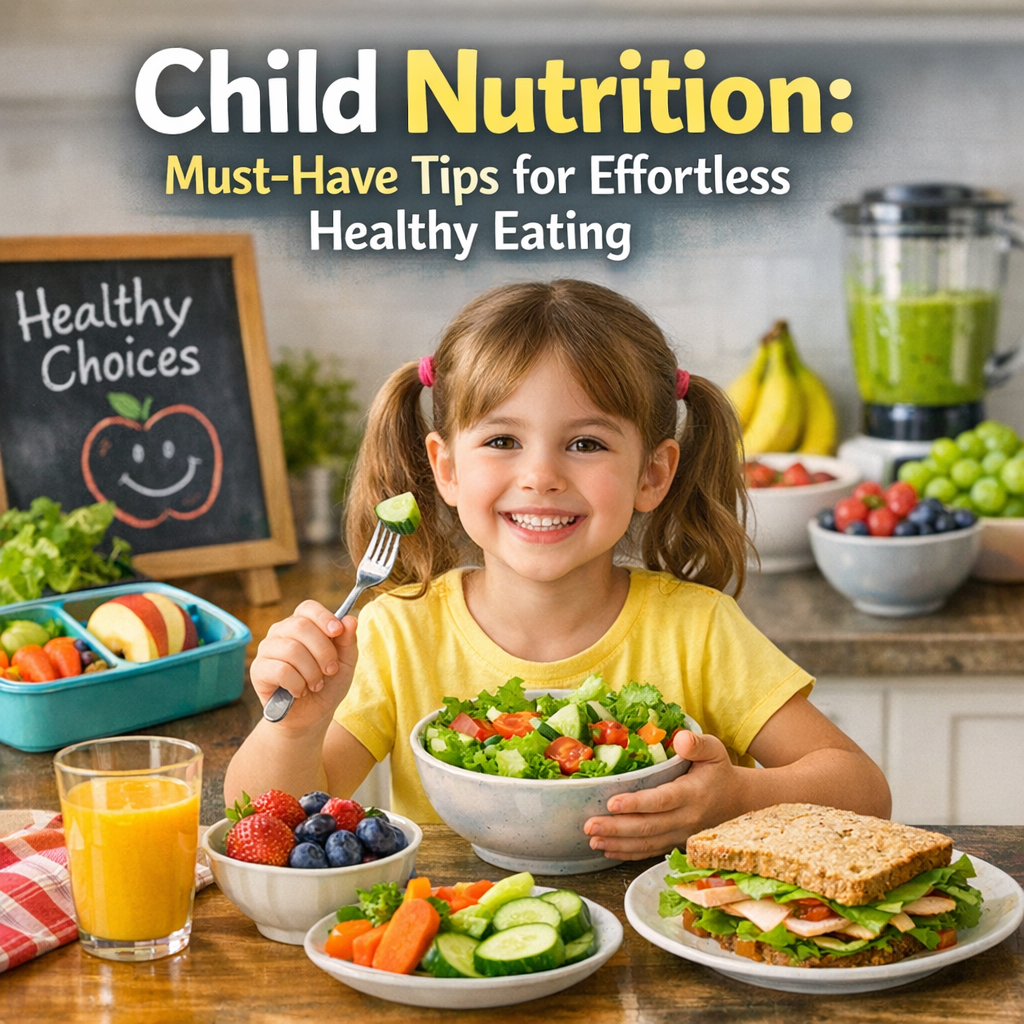
What is Child Nutrition?
Child nutrition refers to the dietary needs of children and the provision of food that supports their physical, mental, and emotional development. The early years play a crucial role in shaping a child’s nutritional habits, making it essential for parents to understand the foundational concepts of a balanced diet.
Why is Nutrition Important for Children?
– Growth and Development: Adequate nutrition is critical for healthy growth, brain development, and the establishment of strong bones.
– Cognitive Function: Proper nutrition affects concentration, learning, and school performance.
– Long-term Health: Establishing healthy habits early on can prevent chronic diseases like obesity, diabetes, and heart disease later in life.
Creating a Balanced Diet for Kids
A balanced diet includes a variety of foods that provide nutrients essential for growth. Here’s how you can incorporate these components effortlessly:
1. Embrace the Power of Whole Foods
Whole foods are minimally processed and as close to their natural form as possible. They tend to be more nutritious, providing vital vitamins and minerals.
– Fruits and Vegetables: Aim for colorful fruits and vegetables to ensure a range of nutrients.
– Whole Grains: Opt for wholegrain bread, brown rice, and oats to provide fiber and energy.
– Lean Proteins: Include lean meats, fish, beans, and legumes for muscle development.
2. Importance of Regular Meal Patterns
Establishing regular meal patterns helps regulate metabolism and appetite control. It also ensures children learn the value of structure and routine in their diet.
– Start with Breakfast: A nutritious breakfast kick-starts the day, improving concentration and mood.
– Regular Meals and Snacks: Maintain a routine of three main meals and two healthy snacks to provide consistent energy.
Tips for Encouraging Healthy Eating Habits
3. Make Mealtime a Positive Experience
Creating a positive mealtime environment encourages children to try new foods and associate eating with enjoyment.
– Family Meals: Eating together promotes better food choices and communication.
– Involve Kids in Cooking: Encourage participation in meal preparation to pique their interest in food.
4. Smart Snacking for Active Kids
Snacks can be an opportunity to boost nutrition if chosen wisely. Strategize on incorporating nutritious options:
– Healthy Options: Yogurt, nuts, fresh fruit, or vegetable sticks with hummus are great choices.
– Avoid Sugary Snacks: Minimize the intake of candies, sugary drinks, and processed snacks.
Overcoming Common Challenges
5. Handling Picky Eaters
Dealing with picky eaters can be frustrating. However, patience and creativity can win over even the fussiest eaters.
– Introduce New Foods Gradually: Pair unfamiliar foods with those they already like.
– Be a Role Model: Children mimic adult eating behaviors, so demonstrate enthusiasm for healthy foods.
6. Managing Allergies and Intolerances
Understanding and managing food allergies and intolerances is crucial for child nutrition.
– Identify Triggers: Work with pediatricians to determine and avoid allergenic foods.
– Provide Alternatives: Ensure nutrient-rich substitutes are available, like plant-based milks for lactose intolerance.
Leveraging Technology for Child Nutrition
7. Using Apps to Educate and Guide
Educational apps can be valuable tools for teaching children about nutrition in a fun and engaging way.
– Download the Brain Baba Kids Learning App to introduce interactive food education and promote healthy eating habits.
8. Monitoring Dietary Intake
Today’s technology allows detailed tracking of dietary intake and nutritional gaps, providing insights for parents to adjust meals.
– Food Tracking Apps: Utilize apps that provide nutritional analysis and suggestions.
Internal Resource Recommendations
Looking for more tips and information? Check out these related articles on our site:
– How to Encourage Healthy Eating Habits in Kids
– Top Recipes for Kid-Friendly Healthy Meals
– Understanding Childhood Obesity: Prevention and Management
FAQs About Child Nutrition
What nutrients are most important for children?
Children require a balanced intake of proteins, carbohydrates, fats, vitamins, and minerals, such as calcium for bone health and iron for cognitive development.
How do I get my child to eat more vegetables?
Encourage vegetable consumption by incorporating them into favorite dishes, using fun shapes, or engaging kids in gardening to cultivate their own veggies.
How can I tell if my child has a food allergy?
Watch for symptoms such as rashes, stomach pain, vomiting, or breathing issues after eating specific foods. Immediate consultation with a healthcare provider is advised.
What’s the role of hydration in child nutrition?
Hydration is crucial as it supports overall health, digestion, and concentration. Encourage water consumption over sugary drinks.
How can I ensure my child gets enough fiber?
Incorporate whole grains, fruits, vegetables, and legumes into meals. Gradual increases in fiber-rich foods are best to prevent digestive discomfort.
Conclusion
Child nutrition is a vital component of a child’s overall well-being and development. By adopting these effortless healthy eating tips, parents and educators can ensure children receive the essential nutrients they need. Remember, fostering these habits can set the foundation for a healthier future. Start today by involving your children in meal planning, introducing them to diverse foods, and leveraging educational tools like the Brain Baba Kids Learning App. Empower your children with the skills and knowledge to make nutritious choices that last a lifetime.