Group Learning for Kids: Uncover the Stunning Benefits Today!
In today’s rapidly evolving educational landscape, group learning plays a pivotal role in shaping young minds. By engaging in collaborative activities, children not only grasp academic concepts more effectively but also develop critical social skills. Group learning benefits extend far beyond the classroom, helping children to become empathetic, communicative, and cooperative individuals. This comprehensive guide delves into the myriad advantages of group learning, offering insights and actionable strategies for parents and educators alike.
What is Group Learning?
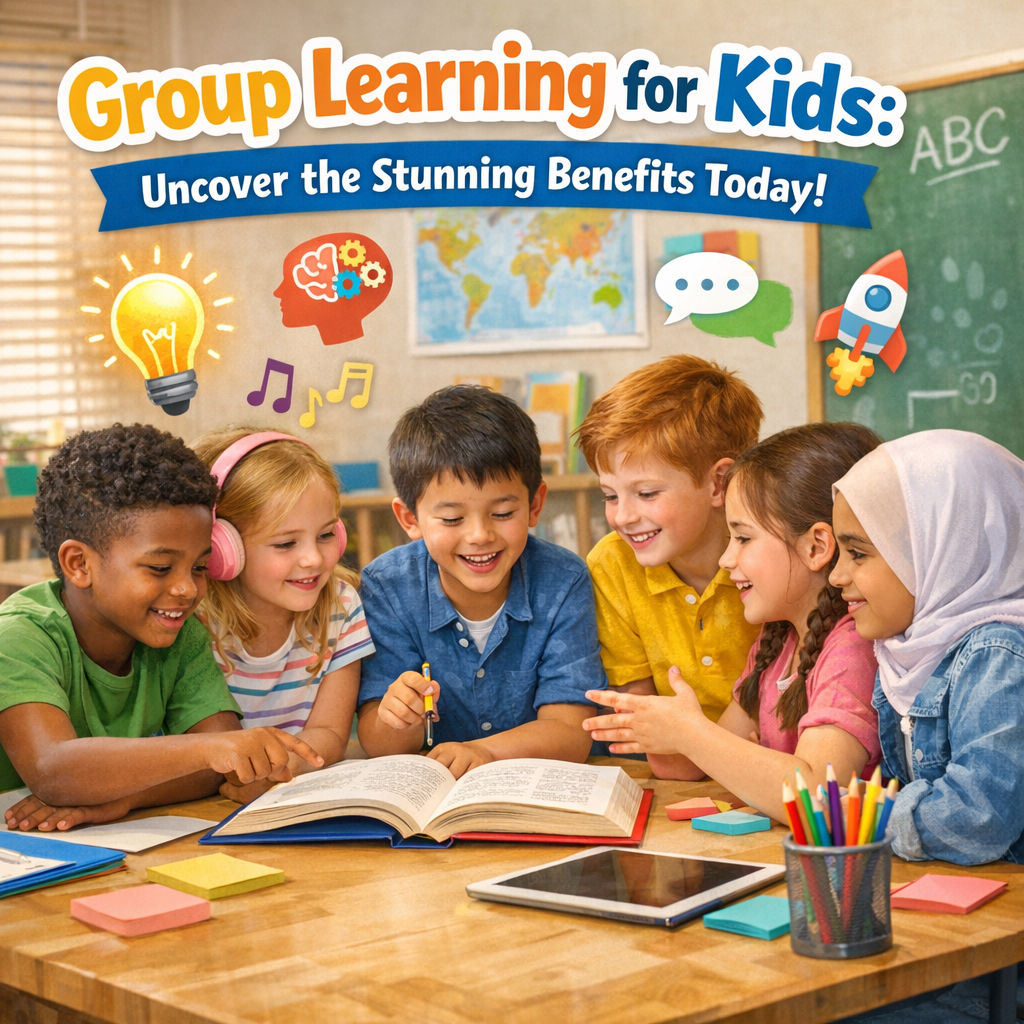
Group learning, often referred to as collaborative learning, encompasses various educational activities where children work together in small groups to achieve a common goal. Unlike traditional teaching methods, this approach encourages interaction and communication among peers, fostering a rich environment for intellectual and social development.
Why Group Learning is Essential
Group learning is crucial for cultivating a dynamic educational experience. It enhances problem-solving skills and encourages active participation. Here are some reasons why group learning is essential:
– Improves Communication Skills: Children learn to express their thoughts and listen to others, nurturing a respectful and open dialogue.
– Fosters Teamwork: It instills the value of collaboration and teaches kids how to work effectively with others.
– Builds Confidence: As children share ideas and take on roles within the group, they build self-esteem and confidence.
Benefits of Group Learning
The benefits of group learning are diverse, affecting both academic performance and personal development. Here are some key advantages:
1. Enhanced Critical Thinking
Group learning challenges students to think critically. When children are exposed to different perspectives and ideas, they learn to analyze and evaluate information more thoroughly.
– Questioning Techniques: Encourage children to ask questions and explore various solutions to problems.
– Diverse Perspectives: Exposure to different viewpoints enriches the learning experience.
2. Social Skill Development
Collaborative activities naturally enhance social skills. Children learn to communicate, negotiate, and resolve conflicts in a group setting.
– Empathy and Understanding: Group learning teaches kids to appreciate and respect diverse perspectives.
– Active Listening: Children develop the ability to listen and respond thoughtfully.
3. Increased Motivation and Engagement
Working in groups often leads to higher motivation levels. The collaborative nature of group learning fosters a sense of community and belonging.
– Peer Support: Children feel encouraged and supported by their classmates.
– Interactive Learning: Engaging activities keep kids interested and eager to participate.
4. Improved Academic Performance
Studies have shown that group learning can significantly boost academic achievement. When children work together, they often perform better in problem-solving and comprehension tasks.
– Shared Knowledge: Group activities allow children to share and acquire knowledge more effectively.
– Collaborative Problem Solving: Teamwork enhances understanding and retention of information.
5. Real-world Application
Group learning helps children apply their knowledge to real-world scenarios, preparing them for future challenges.
– Practical Skills: Activities simulate real-life situations, enhancing skills applicable beyond the classroom.
– Adaptability: Kids learn to adapt to different roles and responsibilities.
Implementing Group Learning Strategies
Implementing effective group learning strategies requires careful planning and consideration. Here are some expert tips to maximize its benefits:
Organizing Group Activities
To ensure that group learning is productive, it’s essential to organize activities effectively:
– Diverse Grouping: Mix abilities and backgrounds to promote balanced participation.
– Clear Objectives: Define goals clearly to guide the group’s focus and efforts.
Facilitating Group Discussions
A well-facilitated discussion encourages participation and collaboration:
– Role Assignments: Assign roles such as leader, recorder, and presenter to structure discussions.
– Guided Questions: Use questions to direct the group’s thinking and maintain focus.
Creating a Collaborative Environment
Establishing a conducive environment is vital for successful group learning:
– Comfortable Space: Arrange a physical setting that fosters interaction and comfort.
– Positive Reinforcement: Encourage and reward teamwork and effort.
Monitoring and Assessment
Continuous monitoring and assessment are crucial to track progress and provide feedback:
– Regular Check-ins: Schedule regular check-ins to discuss group progress and address challenges.
– Feedback Mechanisms: Provide constructive feedback to guide improvement.
Role of Technology in Group Learning
Technology has a profound impact on group learning, bridging gaps and enhancing collaboration:
Digital Collaboration Tools
Various tools are available to facilitate group learning:
– Online Platforms: Use platforms like Google Classroom for virtual collaboration.
– Interactive Apps: Incorporate apps like the Brain Baba Kids Learning App to make learning fun and engaging.
Gamification in Group Learning
Gamification can transform group learning into an exciting and motivating experience:
– Educational Games: Integrate games that encourage group participation and learning.
– Rewards System: Implement reward systems to boost engagement and participation.
Overcoming Challenges in Group Learning
While group learning offers numerous benefits, it also presents challenges that require attention:
Addressing Group Dynamics
Group dynamics can be challenging to manage, especially if conflicts arise:
– Conflict Resolution: Teach children effective conflict resolution strategies.
– Inclusive Participation: Encourage equal participation to prevent dominance by a few members.
Balancing Individual and Group Needs
Finding a balance between individual learning and group needs is essential:
– Personal Targets: Set individual goals alongside group objectives to cater to personal learning needs.
– Flexible Structures: Adapt group structures to suit different learning styles and preferences.
Connecting Group Learning with Traditional Education
Integrating group learning with traditional education methods can enhance the overall learning experience:
– Blended Learning: Combine traditional lectures with group activities for a comprehensive approach.
– Teacher’s Role: Educators should serve as facilitators, guiding group activities and providing resources.
FAQs on Group Learning for Kids
What age group benefits most from group learning?
Group learning can be beneficial for children of all ages. However, elementary and middle school students tend to benefit the most as they are at key developmental stages for social and cognitive skills.
How can parents support group learning at home?
Parents can support group learning by arranging playdates or study groups, providing resources like educational games, and encouraging collaborative projects.
What if a child prefers individual learning?
It’s essential to respect individual preferences. Encourage short group activities that align with their interests or mix group work with solo projects to offer variety.
Can group learning be effective online?
Yes, with the right tools, online group learning can be highly effective. Use digital platforms and apps to facilitate interaction and collaboration among students.
How does group learning impact classroom dynamics?
Group learning positively impacts classroom dynamics by promoting inclusivity and reducing competition. It fosters a sense of community and shared responsibility among students.
Conclusion
Group learning offers an enriching and dynamic approach to education, equipping children with essential skills for future success. By encouraging collaboration, communication, and problem-solving, group learning transforms the educational experience, making it more engaging and effective. Whether in a physical classroom or virtual setting, the practices and strategies explored here can help educators and parents cultivate an environment where young minds thrive. Embrace the power of group learning and watch your children soar to new heights. For more insights and resources, explore our related content on effective teaching strategies and innovative classroom activities. Ready to enhance your child’s learning journey? Start by downloading the Brain Baba Kids Learning App and unlock endless possibilities today!