Personal Space: Essential Tips for Teaching Social Boundaries to Kids
Teaching children about personal space and social boundaries is a crucial aspect of their early education. As they grow and interact with the world around them, understanding these concepts can help them build healthy relationships, communicate effectively, and develop empathy. In this comprehensive guide, we’ll explore various strategies and tips for instilling awareness about personal space and social boundaries in kids.
Understanding Personal Space and Social Boundaries
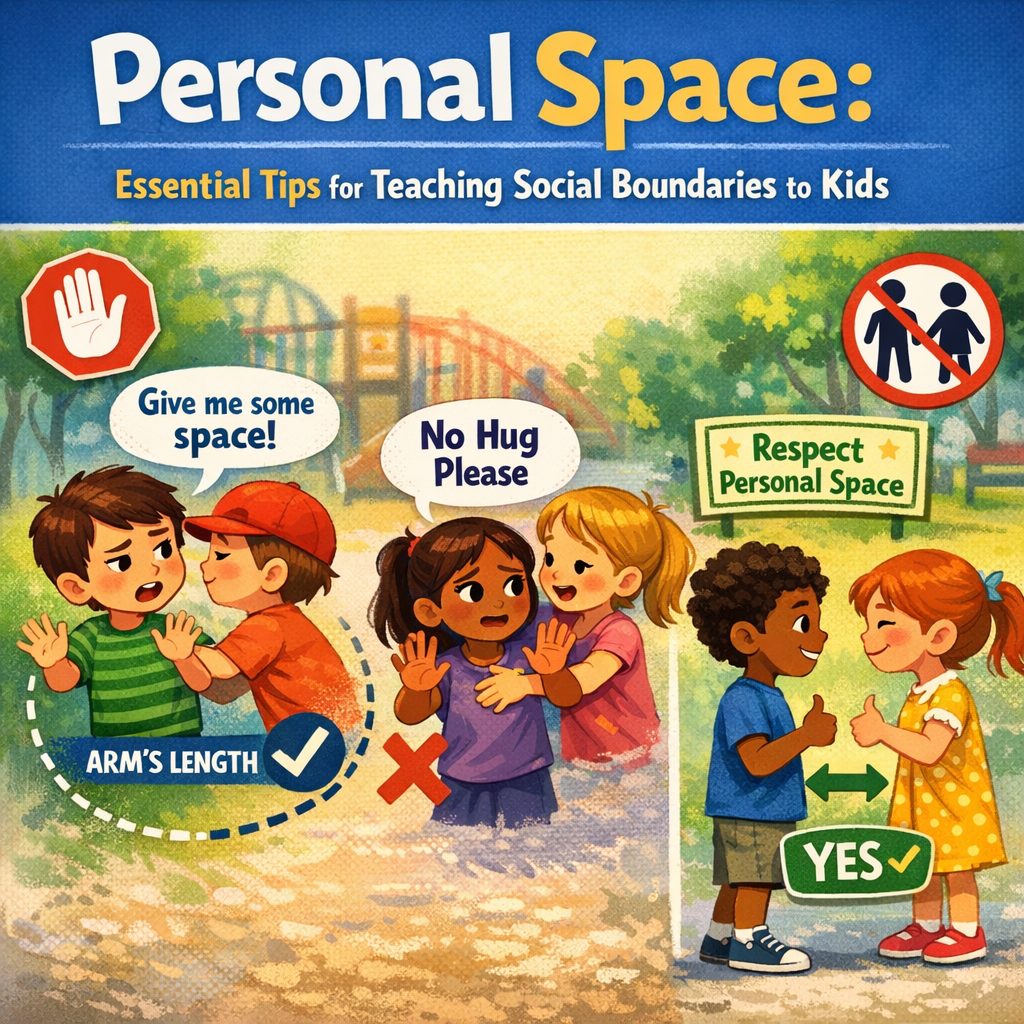
What is Personal Space?
Personal space refers to the physical distance we maintain between ourselves and others. It’s an invisible boundary that signifies comfort or discomfort with proximity. Each individual has varying preferences influenced by culture, personal habits, and experience.
Importance of Social Boundaries for Kids
Teaching kids about social boundaries helps them navigate social interactions with ease and respect. It empowers them to understand their limits and recognize those of others, fostering a sense of mutual respect.
Why It’s Essential to Start Early
Introducing personal space concepts early in life can enhance a child’s social skills significantly. Engaging children in discussions about personal space helps them become self-aware and empathetic, establishing a foundation for positive interpersonal interactions.
Strategies for Teaching Personal Space to Kids
1. Use Visual Aids and Tools
One effective way to teach personal space is by using visual aids. Diagrams, videos, and interactive games can illustrate concepts clearly and engagingly.
– Create a “space bubble” chart to show varying levels of personal space required in different scenarios like at home, school, or public places.
– Use role-playing activities to give children a tangible understanding of keeping an appropriate distance.
2. Storytelling and Books
Reading stories that highlight social boundaries can be an excellent method of teaching kids. These narratives often provide relatable scenarios that children can learn from.
– Choose books that focus on friendship, respect, and empathy.
– Discuss the characters’ experiences and relate them to real-life situations.
3. Encourage Open Communication
Promoting open dialogue about personal space helps children express their feelings about comfort and discomfort.
– Encourage kids to articulate their boundaries and listen to others.
– Use scenarios and ask, “How would you feel if someone stood too close?”
4. Model Respectful Behavior
Children learn a lot by observing adults. Demonstrating respectful behavior and maintaining appropriate personal space yourself can set a strong example.
– Show polite social interactions during family gatherings or public events.
– Correct inappropriate behavior gently by explaining why certain actions may not be acceptable.
5. Role-Playing Activities
Interactive role-playing exercises can simulate real-life situations where personal space is crucial.
– Create mock scenarios like waiting in line, greeting friends, or sharing toys.
– Guide them to practice respectful greetings and assess the comfort or discomfort in various distances.
Implementing Social Boundaries for Different Age Groups
Understanding Developmental Stages
Children’s understanding of personal space evolves as they grow. Tailoring teaching methods according to their developmental stage can optimize learning.
1. Toddlers and Preschoolers
– Introduce the concept of “mine” and “yours” through play.
– Use simple language to explain why keeping distance is essential.
– Encourage parallel play to naturally experience personal space.
2. Elementary School Children
– Discuss cultural differences in personal space with simple examples.
– Instill empathy by teaching children how to recognize non-verbal cues like body language and facial expressions.
– Use group activities to practice maintaining appropriate space.
3. Preteens and Adolescents
– Empower them to set and communicate personal boundaries.
– Talk about digital personal space, focusing on social media interactions and online safety.
– Encourage discussions about peer pressure and its influence on respecting boundaries.
Integrating Personal Space in School Curriculum
Incorporating Lessons and Activities
Schools play a pivotal role in teaching personal space. Incorporating specific lessons can enhance children’s understanding significantly.
1. Social Skills Curriculum
– Develop a curriculum focusing on empathy, respect, and communication.
– Integrate activities like team-building exercises to practice social boundaries.
2. Workshops and Seminars
– Organize seminars for parents and students on the importance of personal space.
– Invite experts to conduct workshops on non-verbal communication and social interaction.
3. Collaborations and Projects
– Encourage group projects focusing on cultural understanding, highlighting the diversity of personal space norms globally.
– Create art or theatre projects where students explore and express various social boundaries.
Internal Links to Explore More:
– How to Build Empathy in Children: Effective Techniques
– Importance of Non-Verbal Communication in Child Development
– Ways to Encourage Respectful Interactions Among Kids
Technology Aids for Teaching Social Boundaries
Educational Apps and Online Resources
Engaging children through technology can be both effective and fun. There are numerous resources available that focus on personal space and social skills.
Brain Baba Kids Learning App
A notable resource is the Brain Baba Kids Learning App, offering interactive lessons and activities that focus on teaching personal space and social boundaries for kids. By introducing technology into the learning process, children can enjoy while they learn vital social skills.
Online Games and Quizzes
– Incorporate online quizzes that evaluate understanding of personal space.
– Use games that simulate real-life scenarios, reinforcing the importance of maintaining appropriate boundaries.
FAQs: Teaching Personal Space and Social Boundaries
1. How can I tell if my child understands personal space?
Observing interactions can give insights. If your child maintains a comfortable distance in social settings and responds to non-verbal cues, they may have a good grasp of personal space.
2. What if my child struggles with respecting boundaries?
It’s essential to approach the issue with patience. Reinforce concepts through consistent practice, role-playing exercises, and positive reinforcement. Collaboration with teachers and caregivers can also provide additional support.
3. Are personal space needs the same for every child?
Personal space preferences vary among children due to personality, cultural upbringing, and individual sensitivity levels. It’s vital to recognize and respect these differences while teaching social skills.
4. How do digital spaces influence personal boundaries?
Digital interactions are a significant part of modern socialization. Teaching kids about digital etiquette, privacy concerns, and respectful communication online is crucial for maintaining personal boundaries in virtual spaces.
5. Can personal space concepts affect a child’s emotional well-being?
Yes, understanding and respecting personal space can positively impact a child’s emotional health. It fosters self-esteem, reduces anxiety in social interactions, and promotes healthy relationships.
Conclusion: Empowering Kids with Social Awareness
Teaching children about personal space and social boundaries equips them with essential life skills. These concepts help foster respect, empathy, and communication—key attributes for successful social interactions. As parents and educators, consistently modeling and reinforcing these ideas can offer children a solid foundation for building healthy and respectful relationships.
Encourage your kids today to understand and respect personal space, and see the positive difference it makes in their lives.
Call to Action:
Engage with your child using resources like the Brain Baba Kids Learning App to make learning about personal space both enjoyable and impactful. Let’s build a future where children are aware, respectful, and empathetic global citizens.