Flexible Learning: Unlock Child Adaptability with Must-Have Benefits
In the rapidly evolving educational landscape, flexible learning has emerged as a pivotal strategy to unlock child adaptability. This innovative approach prioritizes student-centered learning experiences, nurturing the ability of children to thrive in varied circumstances. As educational needs shift, understanding the multifaceted benefits of flexible learning is essential for parents and educators seeking the best for their children.
Understanding Flexible Learning
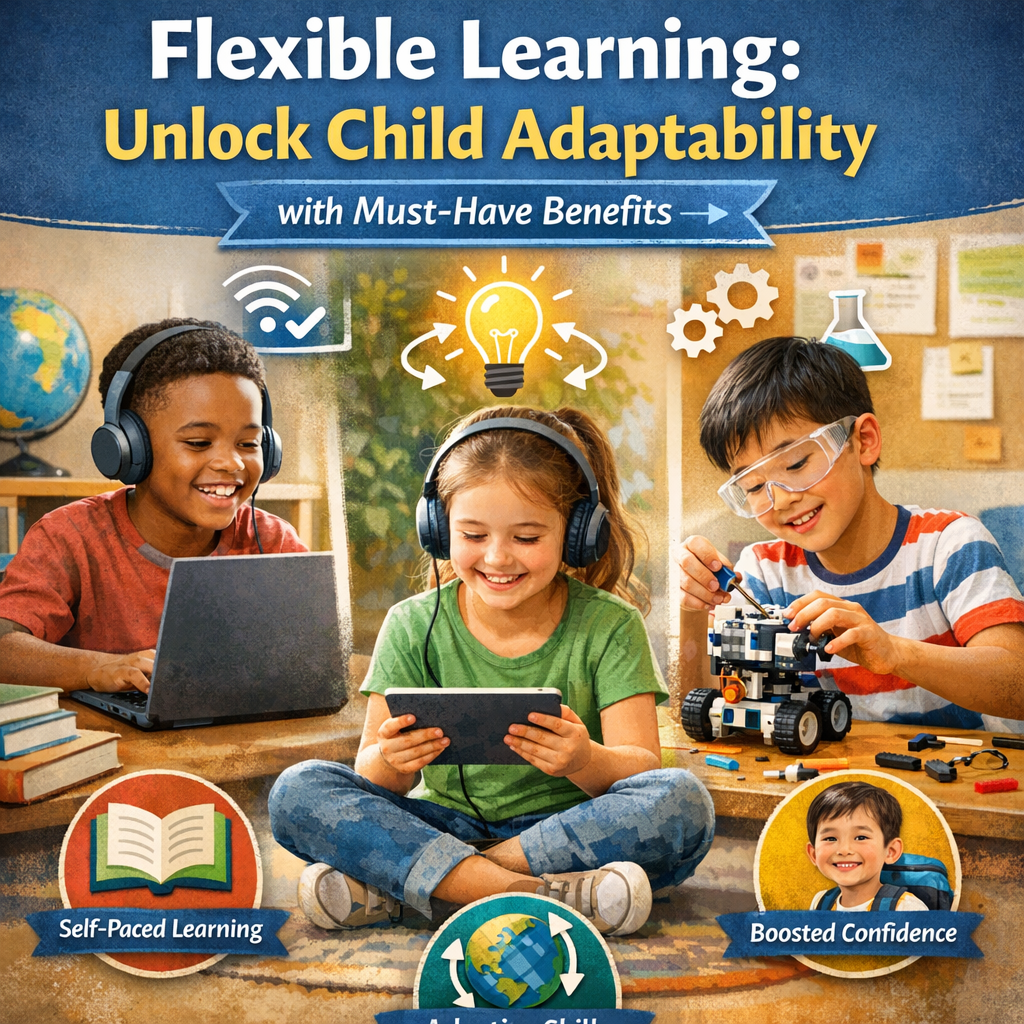
What is Flexible Learning?
Flexible learning refers to an educational methodology that provides students with choices in their learning processes. This can involve variations in the time, location, and pace of learning, as well as in the instructional methods utilized. It’s about creating a personalized learning journey that accommodates diverse learning styles and needs.
Why Flexible Learning is Important
Today’s world demands adaptable thinkers who can navigate complex challenges. Flexible learning cultivates resilience in children, equipping them with skills essential for both academic success and personal growth.
Key Benefits of Flexible Learning
1. Personalized Learning Experience
Flexible learning allows for tailored educational experiences that consider individual student strengths, weaknesses, and interests. This personalized approach:
– Enhances engagement by allowing students to explore topics they are passionate about
– Encourages a deeper understanding through self-paced study
– Supports differentiated learning strategies to accommodate various abilities and learning styles
2. Development of Critical Thinking Skills
By providing varied problem-solving tasks and real-world applications:
– Students develop critical thinking and analytical skills
– Children learn to approach problems with innovative solutions and adapt to new situations
– Flexible learning environments promote inquiry-based learning, fostering curiosity and independent thinking
3. Encouragement of Self-Directed Learning
Flexible learning encourages students to take ownership of their education. By setting their goals and timelines:
– Students become proactive learners
– They develop time-management skills
– This sense of agency boosts confidence and motivation
Implementing Flexible Learning at Home
Create a Flexible Learning Space
Creating an adaptive learning environment at home is crucial for implementing flexible learning. Follow these steps:
– Designate a dedicated learning space free from distractions
– Use adjustable furniture to accommodate different learning activities and comfort needs
– Incorporate tools and resources like laptops, tablets, and educational apps to diversify learning experiences
Utilize Technology Effectively
Technology plays a pivotal role in flexible learning:
– Explore online resources and platforms for interactive lessons
– Use educational apps to reinforce skills and concepts. For instance, the Brain Baba Kids Learning App offers enriching activities designed to boost learning
– Incorporate virtual reality for immersive experiences in subjects like history and science
Encourage Exploration and Experimentation
Allow children the freedom to explore subjects beyond the standard curriculum:
– Integrate project-based learning for hands-on discovery
– Encourage participation in workshops, webinars, and extracurricular activities
– Support them in pursuing hobbies and interests that promote learning outside the classroom
Flexible Learning in Schools
Blended Learning Models
Schools can adopt blended learning models as part of flexible learning:
– Combine online digital media with traditional classroom methods
– Facilitate flipped classroom setups where students grasp new content at home and practice in school
– Encourage collaborative projects that leverage technology for research and presentation
Teacher-Facilitated Flexible Learning
Educators can significantly impact flexibly structured learning by:
– Developing individualized lesson plans that cater to diverse learning needs
– Implementing formative assessments to align teaching strategies with student progress
– Fostering a classroom environment where students are actively involved in tailoring their learning paths
Challenges and Solutions for Flexible Learning
Potential Challenges
Implementing flexible learning can present certain challenges:
– Resistance to change from traditional education norms
– Need for technological access and support
– Ensuring academic rigor and maintaining curriculum standards
Overcoming the Challenges
Strategies to mitigate these challenges include:
– Gradually integrating flexible methods into existing frameworks
– Providing resources and training for educators and parents
– Encouraging community partnerships to extend learning opportunities beyond the classroom
FAQs About Flexible Learning and Child Adaptability
What is flexible learning, and how does it benefit child adaptability?
Flexible learning is an approach that adapts to the diverse needs of students, offering them choices in their learning experiences. It fosters adaptability by enhancing problem-solving skills, promoting self-directed learning, and encouraging critical thinking, making children more resilient in dynamic environments.
How can flexible learning be introduced in a traditional classroom setting?
Educators can introduce flexible learning by integrating technology, using blended learning models, personalizing lesson plans, and encouraging collaboration. This approach requires gradual implementation and support from school administration to ensure successful integration.
What role does technology play in flexible learning?
Technology is a cornerstone of flexible learning, providing tools and resources that facilitate personalized, engaging, and interactive educational experiences. With the use of educational apps, virtual classrooms, and digital media, technology enables learning beyond traditional boundaries.
Can flexible learning help improve academic performance?
Yes, flexible learning can enhance academic performance by catering to individual learning styles, increasing engagement, and providing opportunities for students to master topics at their own pace. This targeted approach leads to improved comprehension and retention.
How does flexible learning prepare children for future challenges?
By developing essential skills like critical thinking, problem-solving, and adaptability, flexible learning prepares children to face future challenges confidently. It equips them with the ability to learn continuously and adapt to varying circumstances, crucial in our ever-changing world.
Conclusion
Embracing flexible learning is more than just a trend; it is a strategic shift towards fostering more adaptable, skilled, and empowered individuals. By implementing these strategies at home and in schools, parents and educators can create an enriching educational environment that nurtures a child’s ability to thrive. Start by exploring options like interactive educational apps or redesigning learning spaces to accommodate diverse needs. For a creative way to enhance your child’s learning journey, consider trying out the Brain Baba Kids Learning App for engaging activities. Embrace the power of flexible learning today, and unlock your child’s potential for a brighter tomorrow.