Healthy Boundaries: Essential Social Skills for Kids’ Thriving Success
Teaching children how to establish healthy boundaries and develop social skills is pivotal for their long-term success. These essential skills not only aid in personal growth but also in building meaningful relationships and thriving in various social settings. This comprehensive guide explores strategies, tips, and resources that parents and educators can utilize to impart these vital life skills to children.
Understanding the Importance of Healthy Boundaries
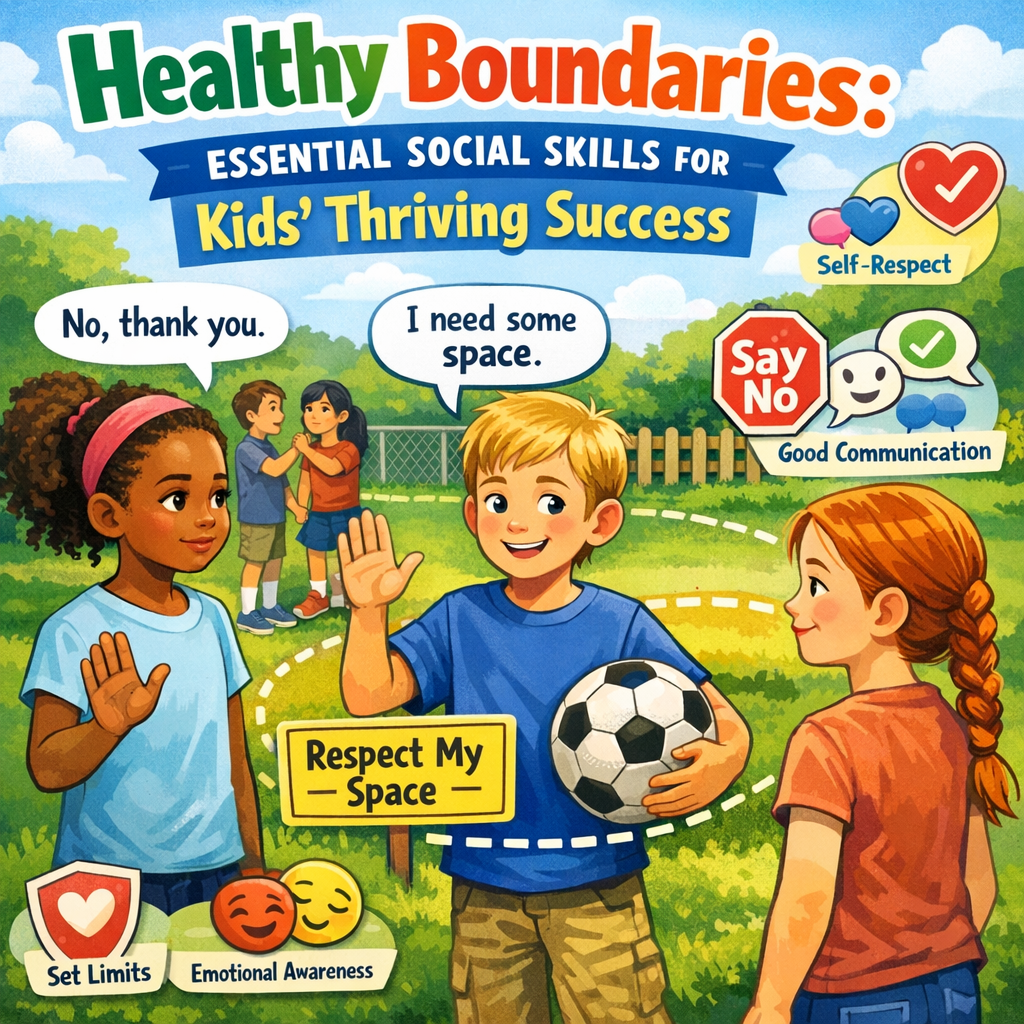
Healthy boundaries are crucial for emotional and physical well-being. They help children understand where they end and others begin, giving them a sense of autonomy and security. By instilling these boundaries early on, we empower kids to communicate their needs confidently and respect others.
What Are Healthy Boundaries?
Healthy boundaries are the limits we set to protect our physical, emotional, and mental space. They define acceptable behavior and ensure that interactions remain respectful and balanced. For children, this translates to understanding privacy, feeling comfortable saying “no,” and recognizing inappropriate behavior.
Why Are Social Skills Important?
Social skills are the tools that enable interaction and communication with others effectively. These include verbal and non-verbal communication, empathy, and teamwork. For kids, mastering social skills is essential for academic success, forming friendships, and navigating life’s challenges.
How to Teach Kids About Healthy Boundaries
Teaching kids about boundaries involves a combination of direct instruction, role-playing, and real-world practice. Here are actionable strategies:
1. Lead by Example
Children learn by observing adults. Demonstrate boundary-setting in your interactions, and discuss why these boundaries are important. For example:
– Privacy: Teach kids to knock before entering a room.
– Personal Space: Model respect for others’ personal space during conversations.
2. Use Age-Appropriate Language
Tailor conversations about boundaries to suit your child’s age and comprehension level. Use simple language and relatable examples that children can understand.
3. Role-Playing Scenarios
Role-playing can help children practice setting boundaries in a safe environment. Create scenarios where they must express their needs or respond to boundary violations. This allows them to apply skills in a controlled setting.
Fostering Key Social Skills
Encouraging social skill development goes hand-in-hand with boundary-setting. Here’s how to nurture these abilities:
1. Encourage Active Listening
Active listening involves fully concentrating, understanding, and responding thoughtfully. Teach kids to listen without interrupting and to repeat what they’ve heard to ensure understanding.
2. Develop Empathy
Empathy allows children to understand and share the feelings of others, fostering deeper connections.
– Storytelling: Use books and stories to help children identify emotions and perspectives.
– Discuss Feelings: Encourage discussions about how others might feel in different situations.
3. Promote Teamwork and Cooperation
Teamwork is a vital social skill that helps children learn to collaborate and negotiate.
– Group Activities: Encourage participation in group games and projects.
– Conflict Resolution: Teach kids to find solutions that respect everyone’s needs and feelings.
Strategies for Parents and Educators
Parents and educators play a crucial role in reinforcing healthy boundaries and social skills. Here are some expert approaches:
1. Create a Supportive Environment
A supportive environment empowers children to practice boundary-setting and social skills.
– Open Dialogue: Maintain open lines of communication for discussing boundaries and concerns.
– Positive Reinforcement: Praise and encourage children when they set boundaries or display strong social skills.
2. Implement Consistent Guidelines
Consistency helps children understand expectations and reinforces learning.
– Rules and Consequences: Establish clear rules around boundaries, with logical consequences for violations.
– Routine Practice: Incorporate boundary-setting exercises into daily activities.
3. Utilize Technology and Resources
Digital tools can enhance learning and practice.
– Educational Apps: Consider apps like the Brain Baba Kids Learning App for interactive learning.
– Online Workshops: Enroll in online courses or workshops focused on social skills development.
Overcoming Challenges
Children may face challenges when learning to set boundaries and develop social skills. Here’s how to address common obstacles:
1. Addressing Shyness or Anxiety
Some children may be hesitant due to shyness or anxiety.
– Gradual Exposure: Gradually introduce social settings to build comfort and confidence.
– Reassurance: Provide constant reassurance and support.
2. Handling Boundary Violations
Teach children to handle situations where boundaries are crossed.
– Assertiveness Training: Help kids practice saying “no” firmly but politely.
– Seek Support: Encourage seeking help from trusted adults in uncomfortable situations.
Integrating Healthy Boundaries in Everyday Life
Continual practice and integration into everyday life solidify these skills.
1. Family Activities
Incorporate boundary and social skills practice into family routines.
– Dinner Discussions: Hold regular family meetings to discuss boundaries and feelings.
– Game Nights: Use cooperative games to practice teamwork and communication.
2. School Environment
Educators can incorporate boundary-setting into curricula and activities.
– Peer Mediation Programs: Implement programs that promote respectful communication and conflict resolution.
– Teacher-Student Interactions: Teachers should model healthy boundaries in their interactions.
Internal Resources for Further Learning
– Building Empathy in Kids: An in-depth guide on fostering empathy.
– The Importance of Active Listening: Techniques to enhance listening skills.
– Promoting Teamwork and Cooperation: Strategies for developing social collaboration.
Frequently Asked Questions
What are some signs that a child is struggling with boundaries?
Children struggling with boundaries may consistently invade personal space, express difficulty saying “no,” or frequently experience conflicts with peers.
How can parents reinforce boundary-setting at home?
Consistency is key. Set clear rules, provide consequences for boundary violations, and model respectful boundary-setting. Encourage open communication about feelings and concerns.
Are there any recommended apps for teaching kids social skills?
Yes, the Brain Baba Kids Learning App offers interactive activities that enhance learning.
How can educators incorporate boundary-setting in the classroom?
Educators can use role-playing exercises, incorporate discussions about feelings and boundaries into lessons, and establish clear classroom rules that emphasize respect and communication.
What should I do if my child feels anxious in social settings?
Start by gradually exposing them to social situations, provide encouragement, and practice social skills in a controlled environment. Consult with professionals if anxiety persists.
Conclusion
Incorporating healthy boundaries and social skills into a child’s upbringing lays a strong foundation for future success. These skills prepare them for personal and professional interactions, ensuring they thrive in complex social landscapes. As parents and educators, your role in guiding and reinforcing these practices is invaluable. Begin today—implement these strategies, and watch your child grow into a confident, empathetic individual ready to conquer the world. For more resources, explore our site for expert advice and practical tips on child development.