Extracurricular Kids: Unlock Stunning Social Growth with These Must-Have Activities
In today’s fast-paced world, ensuring that extracurricular kids experience holistic development outside traditional classroom settings is more crucial than ever. Extracurricular activities are not just a way to keep children engaged but also a means to unlock significant social growth. By engaging in well-rounded activities, children develop vital social, emotional, and cognitive skills that can shape their futures. This article will delve into a comprehensive guide for parents and educators on how to cultivate social growth through extracurricular pursuits.
The Importance of Extracurricular Activities for Kids
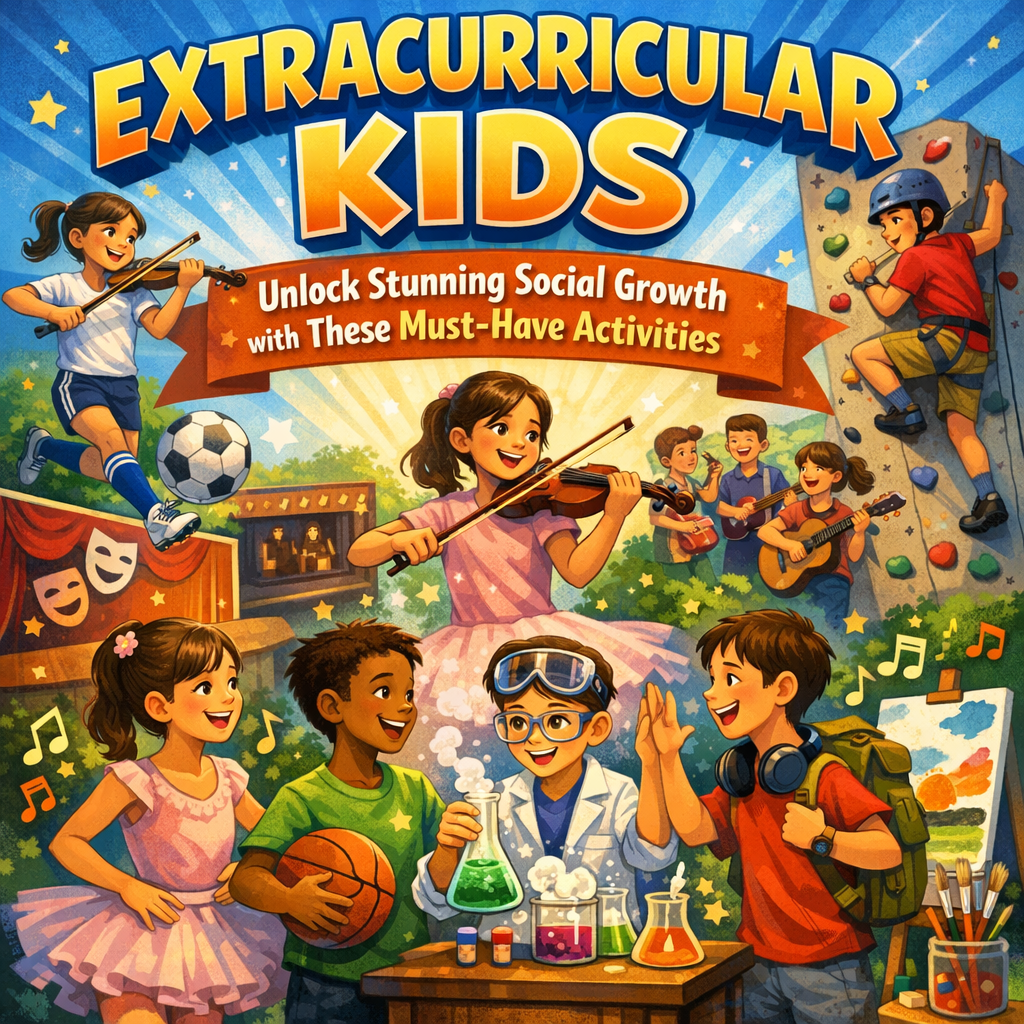
Extracurricular activities provide a unique opportunity for children to explore interests and develop skills beyond academics. Here’s why these activities are essential:
1. Skill Development: Participation in diverse activities helps children acquire various skills, from critical thinking to teamwork.
2. Social Interaction: Kids can make friends outside their usual circles, leading to improved communication and empathy.
3. Confidence Building: Accomplishing new tasks and overcoming challenges fosters self-esteem.
4. Time Management: Balancing multiple activities requires planning and discipline, essential skills for personal and professional life.
Types of Extracurricular Activities That Enhance Social Growth
To enhance social growth, it’s important to choose activities that align with your child’s interests and aptitudes. Here are some categories to consider:
1. Team Sports
Team sports are one of the best ways to promote teamwork, communication, and leadership. Whether it’s soccer, basketball, or baseball, participating in team sports teaches children the importance of working together towards a common goal.
– Skill Enhancement: Develops strategic thinking and physical fitness.
– Social Skills: Encourages communication and cooperation.
2. Performing Arts
Engaging in performing arts such as theater, dance, or music can be an excellent outlet for creative expression and social engagement.
– Confidence Building: Performing in front of an audience boosts self-assurance.
– Empathy and Communication: Participating in plays or group music activities fosters deeper understanding of emotions and collaboration.
3. Academic Clubs
Clubs focused on subjects like math, science, or literature nurture intellectual curiosity while promoting social interaction.
– Intellectual Growth: Challenges cognitive abilities.
– Collaboration: Encourages teamwork and problem-solving.
4. Volunteering and Community Service
Involvement in community service teaches children the importance of giving back and fosters compassion.
– Social Responsibility: Increases awareness of societal needs.
– Leadership Development: Provides leadership opportunities through organizing events or campaigns.
5. Outdoor Adventures
Activities like hiking, camping, and nature exploration connect children with the environment and promote physical health.
– Independence: Builds self-reliance and environmental stewardship.
– Group Dynamics: Encourages teamwork and communication during group expeditions.
How to Choose the Right Extracurricular Activities for Your Child
Selecting appropriate activities is vital for maximizing benefits. Consider the following when making choices:
1. Interest Alignment: Involve your child in the decision-making process to ensure they are genuinely interested.
2. Balancing Act: Avoid over-scheduling; ensure activities complement rather than compete with academics.
3. Skill Development: Focus on activities that offer new learning opportunities and challenges.
4. Social Considerations: Choose activities that encourage interaction with diverse groups of peers.
For more tips on balancing schoolwork and extracurriculars, see our article on “Time Management Tips for Kids: Balancing School and Play.”
Actionable Tips for Parents to Support Extracurricular Involvement
Parents play a crucial role in supporting their child’s extracurricular journey. Here are some actionable tips:
– Encouragement and Support: Show enthusiasm for your child’s interests and be supportive during their participation.
– Active Participation: Volunteer at events or become a part of parent committees.
– Open Communication: Maintain an open dialogue about your child’s experiences, challenges, and achievements.
– Regular Feedback: Provide constructive feedback and celebrate accomplishments to build confidence.
To learn more about supporting your child’s educational journey, explore our guide on “Effective Communication with Kids: Bridging Gaps in Understanding.”
Tools and Resources to Facilitate Extracurricular Learning
Leveraging various tools and resources can enhance the benefits of extracurricular activities:
– Online Platforms: Digital platforms like educational apps can complement physical activities.
– Workshops and Camps: Seasonal workshops and camps offer intensive, focused learning opportunities.
– Local Community Resources: Libraries and community centers often provide free or low-cost programs.
For a valuable tool for learning, consider the Brain Baba Kids Learning App to further support your child’s educational development.
Addressing Common Challenges in Extracurricular Involvement
While extracurricular activities offer numerous benefits, some challenges may arise:
1. Time Constraints: Juggling school and activities can be challenging; efficient scheduling and prioritization are essential.
2. Financial Concerns: Some activities may incur costs; explore scholarships or community programs for affordable options.
3. Burnout Risk: Watch for signs of stress and fatigue; ensure your child has ample downtime and rest.
For strategies to prevent burnout, check our article on “Stress Management for Kids: Techniques for Relaxation and Focus.”
FAQs About Extracurricular Activities
What are the benefits of extracurricular activities for kids?
Extracurricular activities enhance skill development, foster social interaction, boost confidence, and teach valuable life skills such as time management and teamwork.
How can I encourage my child to participate in extracurricular activities?
Encourage participation by discussing interests, showcasing the benefits, and allowing trial periods. Being supportive and involved can also motivate engagement.
Are extracurricular activities essential for every child?
While not mandatory, extracurricular activities significantly enhance personal development and social skills. They can provide enrichment opportunities and experiences beyond regular academics.
How do extracurricular activities impact academic performance?
Many studies show that children involved in extracurricular activities often perform better academically due to enhanced self-discipline, increased motivation, and improved concentration.
How can I balance extracurricular activities with academics?
Effective time management is key. Create a balanced schedule, prioritize commitments, and ensure regular reviews of your child’s progress in both academic and extracurricular realms.
Conclusion: Take Action Towards Empowering Your Child’s Social Growth
Extracurricular activities are powerful tools for developing well-rounded individuals. By carefully selecting activities that align with your child’s interests and potential, you offer them not only educational benefits but also opportunities for significant personal growth. As parents and educators, your role is vital in guiding and supporting children in these pursuits. Encourage your child to explore, learn, and grow beyond the classroom to unlock their full social potential. Start today by identifying activities that will spark their curiosity and passion. Whether it’s through team sports, performing arts, or community service, the journey will be rewarding and transformative.
Enhance your child’s learning experience further by visiting our resources on education and development. Make a difference by inspiring active participation in activities that promote holistic growth.