Outdoor Education: Discover the Stunning Benefits of Nature School Programs
In an era where technology dominates, outdoor education is gaining renewed attention for its unparalleled benefits. Nature school programs offer a unique approach to learning, as they take education beyond traditional classrooms and into the great outdoors. In this article, we’ll explore the multifaceted advantages of outdoor education and why nature schools are becoming an integral part of modern education.
Understanding the Concept of Outdoor Education
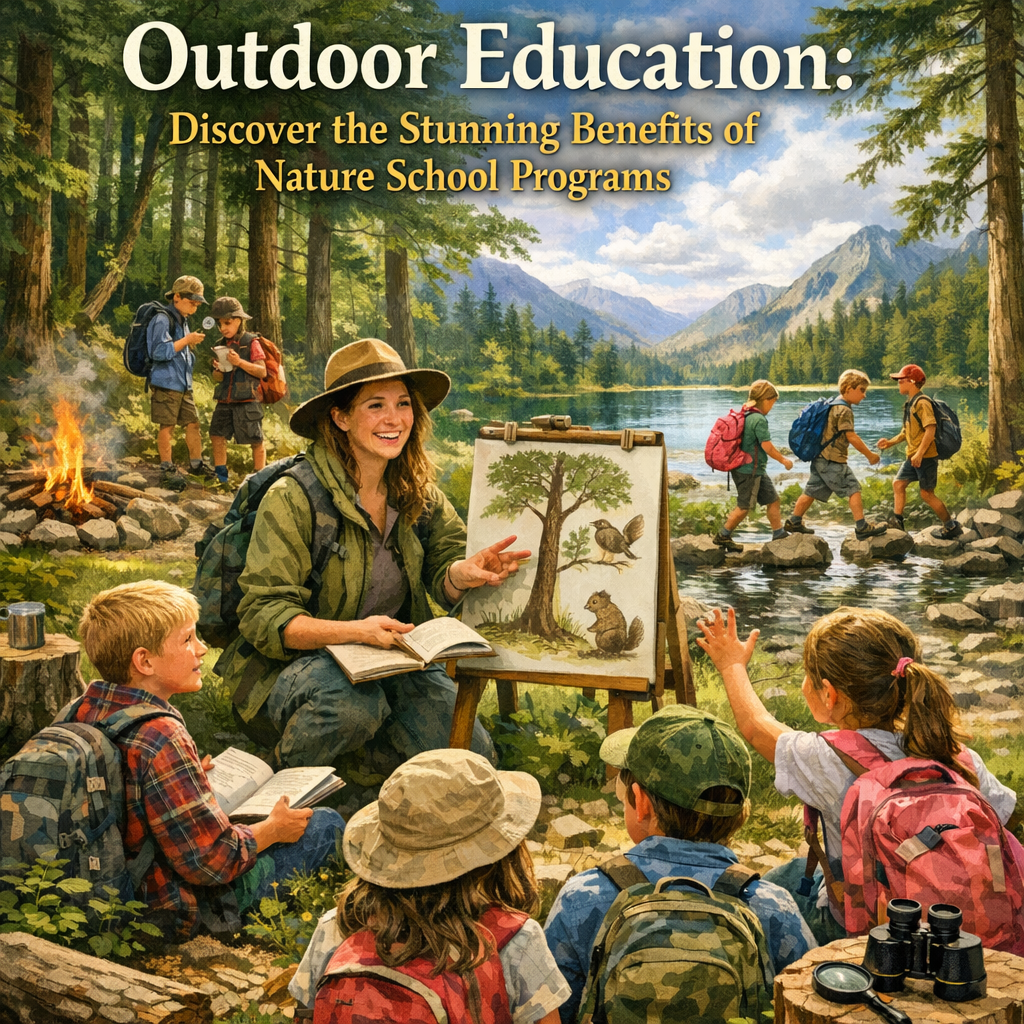
Outdoor education refers to a teaching method that uses natural environments to facilitate learning. Unlike conventional classroom settings, these programs promote experiential learning through direct engagement with nature. This approach not only enhances cognitive skills but also fosters physical and emotional well-being.
The Roots of Nature School Programs
Nature school programs have historical roots that trace back centuries, but they evolved significantly in the 20th century. Scandinavian countries, particularly, have been pioneers in integrating outdoor education into their curricular activities. Such programs aim to cultivate a deep connection between students and the environment while providing hands-on lessons in various subjects.
Why Outdoor Education Matters
Nature school programs offer an alternative to the digital-centric learning environment. They emphasize:
– Physical Health: Regular exposure to nature encourages physical activity, enhancing students’ fitness levels.
– Mental Well-being: Nature has been proven to reduce stress levels and improve mood.
– Cognitive Development: Experiential learning outdoors enhances critical thinking and problem-solving skills.
For educators looking to implement this, consider incorporating outdoor sessions into your teaching strategy. This complements our Guide to Holistic Education available on our site.
The Stunning Benefits of Outdoor Education
Enhanced Academic Performance
Studies have shown that students participating in nature-based learning often outperform their peers in traditional settings. Outdoor education encourages:
– Hands-on Learning: Students engage with real-world problems, making learning relevant and memorable.
– Improved Concentration: Exposure to natural settings helps boost attention spans and cognitive function.
Our Comprehensive Learning Techniques article delves deeper into actionable strategies for leveraging outdoor education to enhance academic outcomes.
Promoting Environmental Stewardship
Nature schools instill a sense of responsibility towards the environment. By engaging directly with nature, students develop:
– Love for Nature: Frequent interaction fosters an appreciation for the environment.
– Sustainable Practices: Courses often include lessons on sustainability, recycling, and conservation.
Encourage your child to explore our Sustainability for Young Minds guide for more insight into cultivating ecological awareness.
Social Skills Development
Outdoor education promotes teamwork, leadership, and communication. Collaborative activities help students:
– Build Trust and Teamwork: Group tasks in nature settings require cooperation and mutual respect.
– Leadership Opportunities: Students often take turns leading projects, enhancing leadership skills.
Consider introducing your students to group challenges as detailed in our Leadership Activities for Kids.
Implementing Nature School Programs
Designing a Curriculum
Creating an effective outdoor education curriculum requires careful planning to balance educational goals with experiential learning. Key elements include:
1. Integrative Subjects: Combine science, mathematics, and arts in outdoor settings.
2. Seasonal Activities: Develop different activities for each season to maintain engagement.
3. Evaluation Methods: Implement tools to assess both academic and personal growth.
Training Educators
Teachers must be equipped to handle outdoor education. Training programs should focus on:
– Safety Procedures: Educators need to prioritize students’ safety.
– Outdoor Teaching Techniques: Facilitating lessons in non-traditional environments.
– Ecological Knowledge: Understanding of local flora and fauna to enrich the learning experience.
You can learn more about essential teaching skills in our Educators’ Resource Library.
Overcoming Challenges in Outdoor Education
Safety Concerns
Safety is paramount in outdoor settings. To address these concerns:
– Risk Assessments: Perform routine safety checks of natural environments.
– Emergency Procedures: Train teachers and students in first aid and emergency responses.
Accessibility Issues
Ensuring that outdoor programs are accessible requires:
– Inclusivity Training: Educators should be trained in accommodating students with varying needs.
– Transport Solutions: Provide adequate transportation to and from nature locations.
Engaging Families in Outdoor Education
Family involvement is crucial for the success of outdoor education programs. Suggestions for engaging families include:
– Workshops and Seminars: Educate parents about the benefits of nature schools.
– Family Outings: Organize family-inclusive nature trips to foster community bonds.
– Feedback Systems: Involve families in the planning and evaluation of programs.
Technology in Outdoor Education
While nature schools focus on reducing screen-time, technology can still play a role:
– Digital Field Guides: Use apps to aid in identifying plants and animals.
– Virtual Logbooks: Incorporate digital platforms for students to document their outdoor discoveries.
To merge educational apps with nature learning, explore the Brain Baba Kids Learning App, which offers interactive content designed for outdoor exploration.
Looking Ahead: The Future of Nature Schools
As the demand for holistic education grows, nature school programs are expected to expand. Future trends may include:
– Green School Certifications: Recognition for schools integrating extensive outdoor education.
– Global Collaborations: Partnerships between international schools to share resources and strategies.
– Advanced Research: Continued studies on the benefits and methodologies of outdoor education.
FAQs about Outdoor Education
What is the main purpose of outdoor education?
The main purpose of outdoor education is to enhance student learning through direct interaction with natural environments. It aims to improve academic performance, physical health, and emotional well-being while fostering environmental stewardship.
How does outdoor education benefit students socially?
Outdoor education promotes social skills by encouraging teamwork, communication, and leadership. Group activities in natural settings require cooperation and trust, helping students build strong interpersonal skills.
Are nature schools accessible to all students?
Efforts are being made to ensure that nature schools are inclusive and accessible to all students. This includes providing adaptive resources for children with disabilities and ensuring transportation is available.
How can technology complement outdoor education?
Technology can enhance outdoor education by providing digital tools for identifying natural elements, documenting experiences, and supporting interactive learning through educational apps like the Brain Baba Kids Learning App.
What role do parents play in outdoor education?
Parents are vital in supporting outdoor education. They can engage through workshops, participate in family excursions, and provide feedback to help shape effective programs.
Conclusion
Outdoor education and nature school programs are revolutionizing the way we think about learning. By shifting the focus to experiential, hands-on activities in natural settings, students reap substantial academic and personal benefits. As society continues to recognize the importance of holistic education, now is the time to embrace these innovative practices. Encourage your local schools to incorporate nature-based learning, and consider exploring outdoor education programs for your children. For more on enriching educational experiences, visit our Holistic Learning page.
Don’t miss the chance to transform your child’s education! Explore the natural wonders of outdoor learning and see your children flourish in ways traditional classrooms may not achieve.