Help House: Transform Your Kids’ Chores with These Stunning Tips!
In today’s fast-paced world, instilling a sense of responsibility in children through household tasks can be both rewarding and challenging. If you find yourself wondering how to effectively engage your little ones in household chores, you’re not alone. Embracing the concept of a “help house” can transform your kids’ chores into enjoyable learning experiences. By focusing on age-appropriate tasks and fostering a sense of accomplishment, you encourage skills that will last a lifetime.
The Importance of Involving Kids in Household Chores
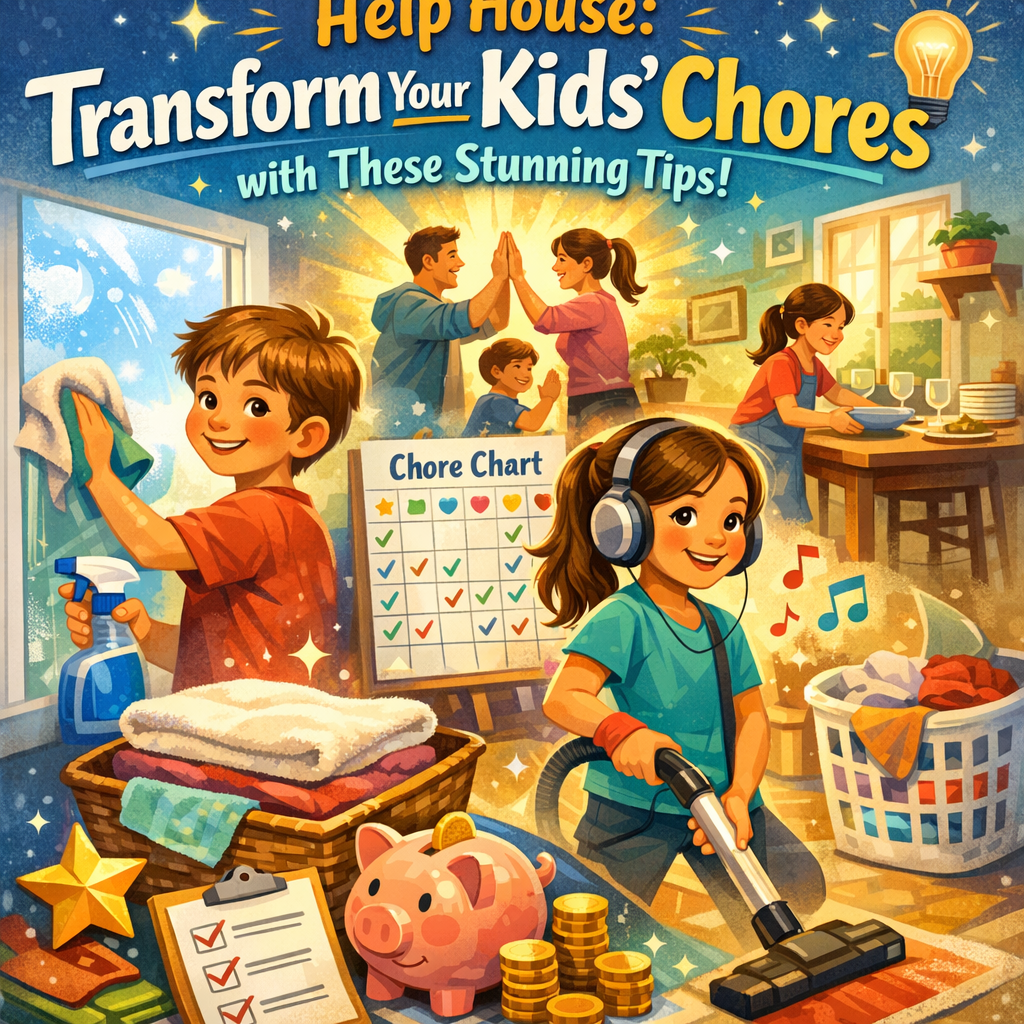
Getting kids involved in household chores is more than just getting help with cleaning. It teaches life skills, responsibility, and teamwork. These tasks develop a child’s sense of independence and belonging within the family unit.
Benefits of Kids Participating in Chores
– Skill Development: Chores help children learn essential skills such as time management and organization.
– Responsibility: Engaging kids in housework fosters a sense of accountability.
– Family Bonding: Shared responsibilities promote teamwork and strengthen family relationships.
– Self-Esteem: Successfully completing tasks boosts children’s confidence and self-worth.
Age-Appropriate Chores for Children
Understanding what chores are appropriate for different age groups is crucial. Here’s a guide to help you navigate this process.
Ages 2-4: Introduction to Simple Tasks
At this age, chores should be simple and part of an exciting game. Consider introducing:
– Putting away toys
– Dusting surfaces with a cloth
– Helping to feed pets
Ages 5-7: Building on Basics
Children can handle slightly more complex tasks, including:
– Making their bed
– Setting the table
– Watering indoor plants
Ages 8-10: Encouraging Independence
Kids can start taking on tasks with greater responsibility, such as:
– Washing dishes or loading the dishwasher
– Vacuuming small areas
– Taking out the trash
Ages 11+: Preparing for the Teen Years
Tweens and teens can manage tasks with minimal supervision, allowing them to:
– Cook simple meals
– Mow the lawn
– Handle laundry
Creating a Chore Schedule
A well-structured chore schedule helps children understand expectations and learn time management. Here’s how to create a successful one.
Steps to Building a Chore Schedule
1. Identify Tasks: List all the chores that need to be done in a week.
2. Assign Chores: Match tasks to each child’s abilities and interests.
3. Set a Routine: Consistency is key, so establish regular chore times.
4. Use Visual Aids: Chore charts or apps can help kids track their progress.
For additional planning tools, consider exploring our family productivity resources.
Motivating Children to Participate in Chores
Motivation plays a significant role in ensuring chores are done. Consider these strategies to keep your children engaged.
Tips for Keeping Kids Motivated
– Positive Reinforcement: Praise and rewards can boost motivation.
– Make Chores Fun: Turn tasks into games or challenges.
– Involve Technology: Use the Brain Baba Kids Learning App for tracking chores; kids love tech-integrated activities.
Teaching Responsibility Through Chores
Household tasks are excellent opportunities for teaching responsibility. Here’s how you can maximize this aspect.
Ways to Enhance Learning
– Own the Task: Let children see the results of their work.
– Provide Choices: Allow kids to choose between different chores.
– Discuss Impacts: Explain how their help benefits the family.
Explore more about parenting and child development tips to expand your approach.
Balancing Chores with Play
It’s crucial to maintain a balance between duties and playtime to prevent burnout and frustration.
Ensuring a Healthy Balance
– Set Limits: Keep work sessions short and age-appropriate.
– Encourage Downtime: Ensure children have time to relax and play.
– Combine Chores with Activities: Integrate chores into daily play, such as cleaning up after crafting.
For a deeper dive into balancing activities, visit our lifestyle management section.
Overcoming Chore Challenges
Challenges are inevitable. Here are some solutions to common issues parents face when implementing chore routines.
Common Chore Challenges and Solutions
– Resistance to Chores: Introduce a reward system with small incentives.
– Incomplete Tasks: Offer gentle reminders and guidance.
– Sibling Conflicts: Rotate chores to ensure fairness and avoid arguments.
Encouraging Lifelong Skills
The ultimate goal is to teach children skills they’ll use throughout their lives.
Fostering Lifelong Habits
– Regular Practice: Consistent chores build permanent habits.
– Adapt Roles: As children grow, update their chores to match their abilities.
– Lead by Example: Model the behavior you want to instill.
FAQ
How do I get my child interested in chores?
Start with fun, simple tasks that match their interests, and offer plenty of encouragement and praise.
How can I keep track of my child’s chores?
Consider using chore charts or apps like the Brain Baba Kids Learning App to manage tasks efficiently.
What should I do if my child refuses to do chores?
Stay calm and offer choices. Discuss the importance of their contribution and consider implementing a reward system.
Are there risks of overburdening kids with chores?
Yes, balance is essential. Ensure chores are appropriate for their age and always prioritize wellbeing over tasks.
How can chores benefit my child academically?
Chores enhance skills such as time management, responsibility, and teamwork, indirectly supporting academic growth.
Conclusion
Transforming children’s chores into learning opportunities not only fosters a sense of responsibility but also contributes to their overall development. Implementing a “help house” approach with these engaging tips guarantees an enriching environment for your kids. Start empowering your children today by exploring related parenting strategies on our site, and consider utilizing tech solutions like the Brain Baba Kids Learning App to enhance their learning experience.
By making household tasks fun and educational, you’ll not only aid in your child’s personal growth but also strengthen family bonds. So, create a chore schedule, keep it consistent, and watch as your home transforms into a thriving educational hub!