Music Theory for Kids: Discover the Essential Benefits They’ll Love
In today’s fast-paced world, parents and educators are constantly seeking engaging and educational activities that deliver cognitive and emotional benefits to children. One such activity is the study of music theory. Music theory for kids not only enhances their musical abilities but also contributes to their overall development. In this article, we will delve into the essential benefits of music theory that kids will love, and explore how it can foster growth across various domains.
Understanding Music Theory: A Foundation for Endless Possibilities
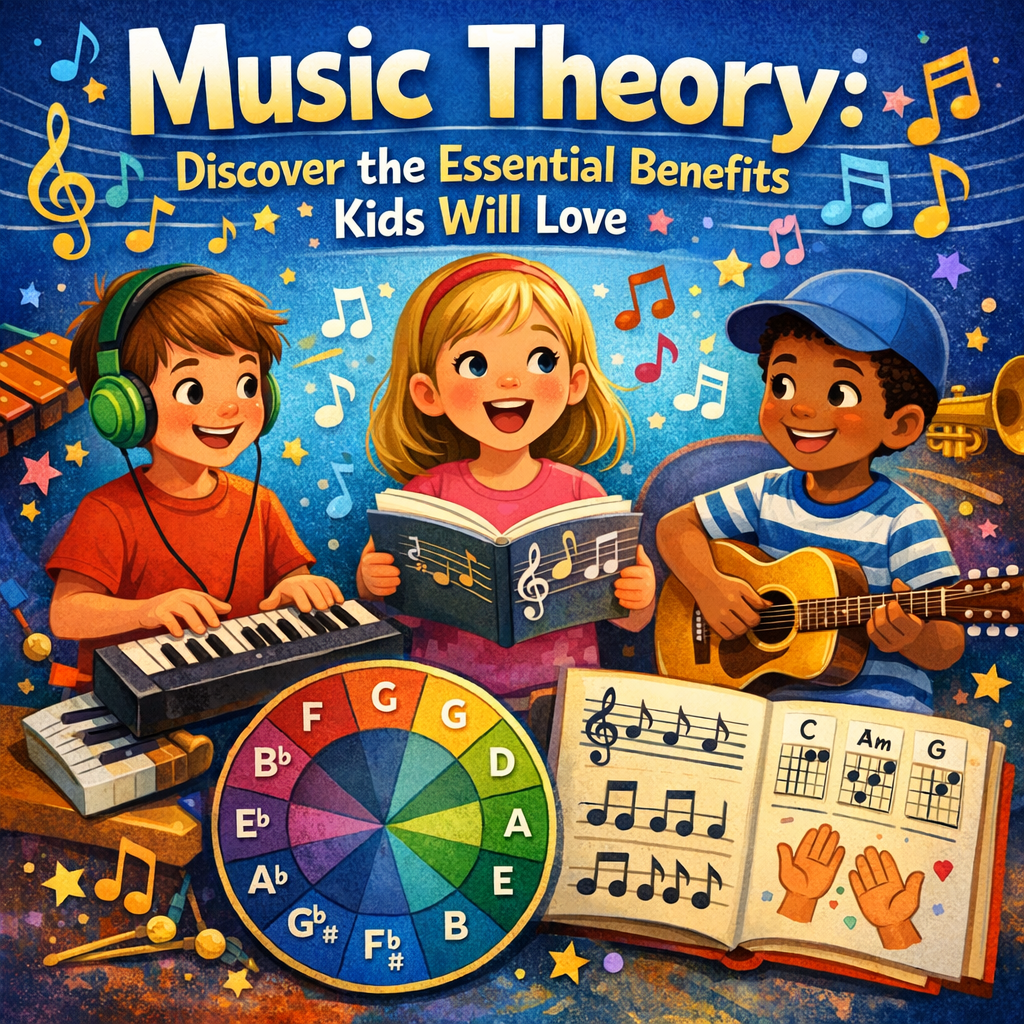
Music theory is the study of the practices and possibilities of music. It provides children with a framework for understanding musical concepts, such as notes, scales, chords, and rhythm. By introducing kids to music theory, you equip them with the skills needed to read and write music, thus laying a foundation for both musical and academic success.
Music theory is often perceived as challenging, but when presented in a fun and engaging way, it sparks creativity and joy in young learners. It can open doors to a myriad of opportunities, broadening their understanding and appreciation of music.
1. Cognitive Benefits: Boosting Brain Development
Enhancing Memory and Concentration
Music theory requires students to memorize and recall various concepts, such as notes and scales. This practice enhances memory retention and concentration. By focusing on musical patterns and structures, kids improve their ability to concentrate on tasks in various areas of life.
Improving Mathematical Skills
Music has inherent mathematical properties. Understanding rhythm, harmony, and scales involves recognizing patterns, fractions, and sequences. For instance, when kids learn about time signatures, they are essentially developing skills parallel to fractions in math. This strengthens their numerical and problem-solving abilities.
Developing Language Skills
Music theory also aids in language development. The recognition of pitch and rhythm in music enhances phonological awareness, which is crucial for reading and language acquisition. When children distinguish between different sounds, they become better at decoding language.
2. Emotional Benefits: Nurturing Personal Growth
Building Emotional Intelligence
Engaging in music theory helps children recognize and express emotions through music. They learn to associate different musical elements with emotions, fostering emotional literacy and empathy. This is particularly beneficial in helping children understand and manage their feelings.
Boosting Self-Esteem and Confidence
Mastering music theory concepts is rewarding and can boost a child’s self-esteem. The sense of accomplishment gained from understanding complex musical ideas encourages kids to take on new challenges, building confidence in their abilities.
Encouraging Creativity and Imagination
Music theory serves as a creative outlet. It allows children to experiment with creating their compositions, encouraging imaginative thinking. By exploring different melodies and rhythms, kids can express themselves uniquely and never run out of creative avenues.
3. Social Benefits: Facilitating Connections
Promoting Teamwork and Collaboration
Music is often a collaborative art form. Understanding music theory enables children to participate in ensembles and group performances. Working together to create harmonious music teaches kids the value of teamwork and cooperation.
Fostering Cultural Awareness
Music is a universal language that transcends cultures. Through music theory, children gain insights into different musical traditions and cultural expressions. This exposure fosters an appreciation for diversity and encourages open-mindedness.
Building Stronger Relationships
Involvement in music classes or activities creates shared experiences, helping children connect with peers. The collaborative nature of music often results in lasting friendships and a sense of belonging, essential aspects of personal development.
4. Practical Tips for Introducing Music Theory to Kids
Start Simple and Build Gradually
Begin with the basics of music theory, such as identifying notes on a staff or understanding simple rhythms. Gradually introduce more complex concepts as the child becomes more comfortable.
Use Engaging Tools and Resources
Incorporate games, apps, and interactive lessons to make learning fun. Resources like the Brain Baba Kids Learning App offer a wealth of interactive activities designed to captivate young learners and make music theory enjoyable.
Celebrate Small Achievements
Celebrate each milestone, no matter how small, to encourage continued interest and motivate kids to progress further. Recognizing improvement fosters a positive learning environment.
5. Integrating Music Theory into Daily Life
Create a Routine
Incorporate brief music theory sessions into daily life, whether it’s during playtime or just before bedtime. Consistency helps reinforce learning and make it a natural part of their routine.
Encourage Exploration
Allow kids to explore different instruments and musical styles. This exploration keeps their interest piqued and enables them to apply their music theory knowledge practically.
Use Music as a Communication Tool
Encourage children to use music to express their feelings and ideas. This not only reinforces what they’ve learned but also strengthens their emotional expression and communication skills.
6. The Role of Educators and Guardians
Providing Support and Encouragement
As a teacher or parent, your support is crucial. Encourage curiosity and provide resources that make learning accessible and enjoyable.
Connecting with Knowledgeable Instructors
Engage with instructors who understand the developmental stages of children and can tailor their lessons accordingly. Professional guidance ensures children receive a quality education in music theory.
Involving Family in the Learning Process
Families can engage in musical activities together, such as singing or playing instruments. This not only strengthens familial bonds but also provides a supportive atmosphere for learning.
Frequently Asked Questions
What is the ideal age to start learning music theory?
Children can begin exploring music theory as early as preschool age, around 4 or 5 years old. Starting young helps build a strong foundation; however, music education is beneficial at any age.
How can I make music theory exciting for my child?
Use a variety of interactive resources such as apps, games, and hands-on activities. Incorporating instruments or familiar songs they love can also make learning more relatable and fun.
Can learning music theory improve academic performance?
Yes, it enhances cognitive skills such as memory, attention, and problem-solving, which are transferable to academic subjects, particularly in math and language arts.
What if my child is not interested in traditional music lessons?
Explore alternative methods such as digital music creation, music production, or integrating music with technology to engage them in a way that aligns with their interests.
How often should my child engage with music theory lessons?
Aim to engage with music theory lessons several times a week. Short, frequent sessions are more effective and enjoyable for children than longer, sporadic ones.
Conclusion: Empower Your Child with the Power of Music
Music theory offers countless benefits that extend far beyond musical proficiency. It nurtures cognitive skills, enhances emotional intelligence, and facilitates social connections, thereby contributing to holistic child development. By incorporating music theory into your child’s routine, you equip them with invaluable tools for academic success and personal growth.
As parents and educators, embracing music as part of your child’s life will create enriching experiences that they will cherish forever. Make their learning journey more engaging and interactive by exploring resources such as the Brain Baba Kids Learning App.
Start fostering a love for music theory today and watch your child blossom in more ways than you ever expected. Take the first step by integrating music into their daily activities and witness the beautiful rhythm it brings into their lives.