Cultural Friends: Discover the Stunning Benefits for Global Kids
In today’s increasingly interconnected world, the concept of “cultural friends” is more relevant than ever, particularly for global kids. As our children grow up in a multicultural environment, forming friendships across different cultures provides them with invaluable life skills and broadens their perspective. This article explores the multitude of benefits that arise from these cross-cultural friendships while offering actionable insights for parents and educators to nurture these important relationships.
The Significance of Cross-Cultural Friendships
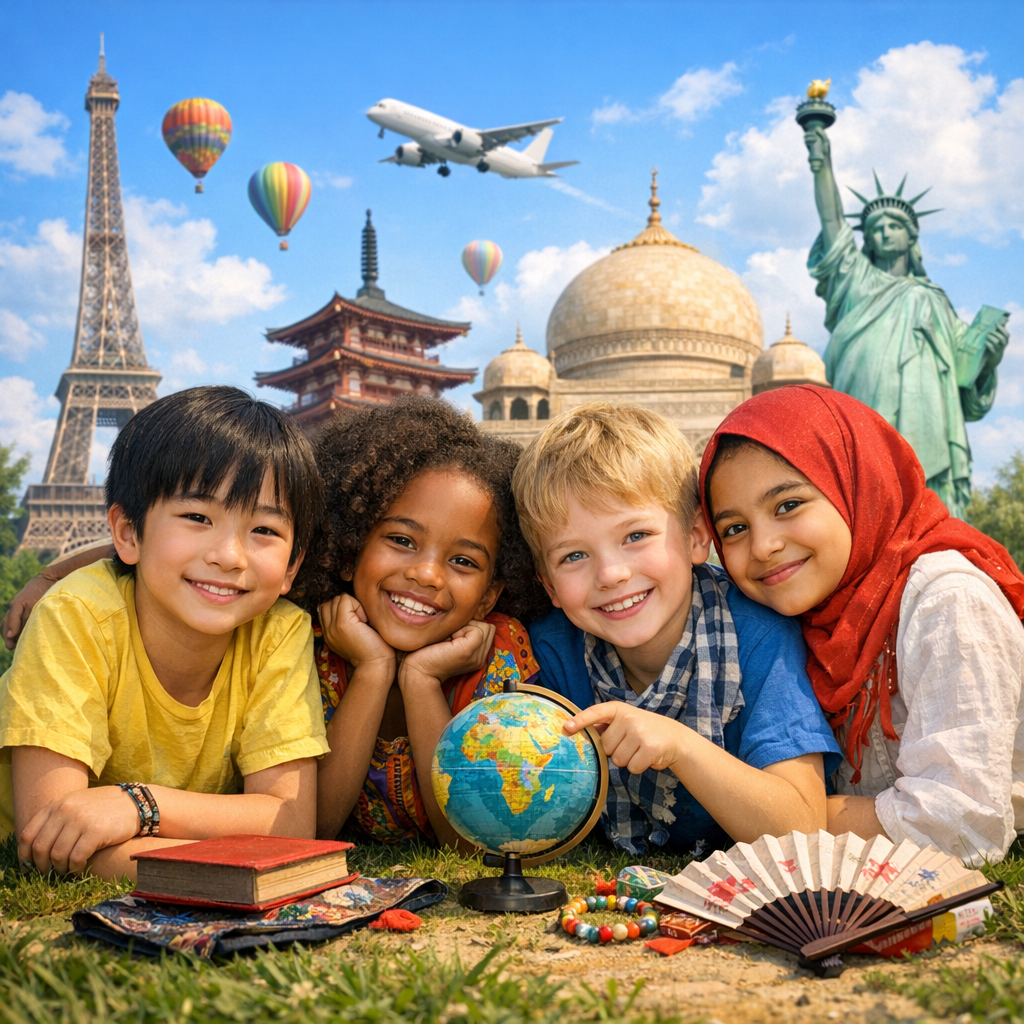
In a globalized society, understanding and appreciating diverse cultures is crucial. Cross-cultural friendships enrich the lives of global kids by fostering tolerance, empathy, and communication skills. These friendships challenge preconceived notions and open new avenues for personal growth.
Building Empathy and Cultural Sensitivity
One of the primary benefits of having cultural friends is the development of empathy and cultural sensitivity. Children who form friendships with peers from different backgrounds are more likely to understand and appreciate diverse perspectives. This not only helps them become more compassionate individuals but also equips them with the tools necessary to thrive in multicultural settings.
Enhancing Language and Communication Skills
Engaging with cultural friends often leads to language exchange. Global kids can pick up new languages naturally, which enhances their communication skills and cognitive abilities. Moreover, being bilingual or multilingual has numerous cognitive benefits, such as improved memory, problem-solving skills, and creativity.
Educational Benefits of Cultural Friendships
Cross-cultural friendships offer significant educational advantages, creating a nurturing environment where children learn from one another’s cultures.
Diverse Learning Experiences
Cultural friends expose global kids to different learning styles and educational practices. Such exposure enhances their adaptability and understanding of various methodologies, preparing them for diverse educational systems and environments.
Broadened Worldview
Having friends from various cultures allows children to learn about history, traditions, and customs firsthand. This broadens their worldview and enables them to see the world from multiple perspectives, encouraging critical thinking and open-mindedness.
Promoting Inclusivity and Diversity in Education
Educators can foster inclusivity by incorporating cultural learning into their curriculum. By highlighting diverse cultures and traditions, teachers create an environment that celebrates diversity and inclusivity, encouraging students to form meaningful connections with cultural friends.
The Role of Parents in Supporting Cultural Friendships
Parents play a crucial role in encouraging and supporting their children’s cross-cultural friendships. By taking proactive steps, they can ensure their children reap the full benefits of these relationships.
Encouraging Participation in Cultural Events
Parents can support cultural friendships by encouraging their children to participate in cultural events and activities. Whether it’s attending international festivals or participating in cultural exchange programs, these experiences provide valuable opportunities for children to engage with different cultures.
Creating Opportunities for Cultural Exchange at Home
Hosting cultural exchange activities at home is another effective way for parents to promote cultural friendships. Simple activities like cooking traditional meals or celebrating various cultural holidays can spark interest and create dialogues around different customs and traditions.
Utilizing Technology for Cultural Connectivity
In today’s digital age, technology can be a powerful tool for maintaining and fostering cross-cultural friendships. Apps and online platforms enable children to connect with cultural friends globally, exchange ideas, and learn collaboratively without geographical limitations.
– Consider downloading the Brain Baba Kids Learning App, designed to facilitate learning through interactive activities, enhancing their educational journey.
Challenges and Solutions in Cross-Cultural Friendships
While the benefits of cultural friendships are significant, there can also be challenges that need addressing to ensure these relationships are successful and enriching.
Language Barriers
Language differences can initially be a barrier in forming cultural friendships. Encouraging children to learn basic phrases or use translation apps can bridge this gap and foster effective communication.
Cultural Misunderstandings
Misunderstandings may arise due to differing cultural norms and practices. Open communication and cultural education can mitigate these issues, promoting greater understanding and acceptance among cultural friends.
Navigating Social Differences
Different cultural norms can lead to social challenges. Educators and parents must guide children in understanding and respecting these differences to prevent conflicts and ensure harmonious friendships.
Benefits of Cultural Friendships for Emotional Development
Cultural friendships contribute to emotional development, providing global kids with the tools to navigate complex emotional landscapes.
Building Resilience
Interacting with cultural friends helps children build resilience by exposing them to different ways of dealing with challenges. They learn to adapt, persevere, and view problems from various perspectives, which are essential skills for emotional well-being.
Developing Emotional Intelligence
Cultural friendships enhance emotional intelligence as children learn to recognize and manage their emotions and those of others from different backgrounds. This skill is crucial for success in personal and professional life.
Fostering a Sense of Belonging and Identity
Having cultural friends can enrich a child’s sense of identity. Being part of a multicultural social circle allows them to explore their heritage and appreciate their unique place in a global community.
Actionable Strategies for Educators
Educators can implement strategies to support the development of cross-cultural friendships in classrooms.
Facilitating Multicultural Group Projects
Group projects that encourage collaboration between students of different cultures can foster friendships and enhance cultural understanding. Such projects teach children to value each other’s input and work together towards common goals.
Hosting International Days
Schools can host international days where students showcase their cultures through presentations, traditional attire, and cuisine. This not only educates students about global cultures but also creates a platform for building friendships.
Encouraging Pen Pal Programs
Pen pal programs with schools abroad provide children with firsthand opportunities to learn about different cultures. These programs can inspire lasting cultural friendships and foster global citizenship.
Exploring Cultural Friends Through Travel
Travel is a profound way to foster cultural friendships and learning.
Family Cultural Exchange Programs
Families can participate in cultural exchange programs to immerse themselves in different cultures. This not only strengthens family bonds but also provides children with unique opportunities to form friendships and learn globally.
Immersive Travel Experiences
Traveling to different countries allows children to experience cultures firsthand. Parents can plan trips that include stays with local families or participate in community activities, enabling their children to engage with their cultural friends on a deeper level.
Utilizing Virtual Travel Experiences
If travel is not possible, virtual tours and experiences can offer similar benefits. Interactive online platforms allow children to explore landmarks, participate in cultural activities, and interact with cultural friends globally.
FAQ Section
What are the advantages of cultural friendships for kids?
Cultural friendships offer numerous advantages, such as enhancing empathy, improving language skills, broadening worldviews, and building emotional intelligence. These friendships prepare children for a multicultural world by fostering open-mindedness and adaptability.
How can parents support their children in forming cultural friendships?
Parents can support cultural friendships by encouraging participation in cultural events, organizing cultural exchange activities at home, and utilizing technology to maintain global connections. These actions provide children with opportunities to engage and learn from peers worldwide.
What challenges might arise in cross-cultural friendships, and how can they be addressed?
Challenges such as language barriers, cultural misunderstandings, and social differences can arise in cross-cultural friendships. Addressing these challenges involves promoting open communication, cultural education, and understanding, guiding children to navigate differences respectfully.
How do cultural friendships benefit emotional development?
Cultural friendships contribute to emotional development by building resilience, enhancing emotional intelligence, and fostering a sense of belonging. Children learn to manage emotions and build diverse, supportive social networks.
What role do educators play in fostering cultural friendships?
Educators can foster cultural friendships by facilitating multicultural projects, hosting international days, and encouraging pen pal programs. These initiatives nurture an inclusive environment that celebrates diversity and empowers students to connect with peers globally.
Conclusion
Cultivating cultural friendships is a transformative experience for global kids that equips them with essential life skills and enriches their emotional and educational development. By embracing diversity and fostering these connections, parents and educators can prepare children for success in an increasingly interconnected world. Encourage your child to explore new cultures and build lasting friendships today. Consider incorporating resources such as the Brain Baba Kids Learning App to further enhance their cultural journey.