Social Settings Mastery: Empowering Kids with Effortless Interaction Skills
Navigating social settings can be a daunting task for children, given the intricate dynamics involved. As parents and educators, you hold the pivotal role of guiding them to master interaction skills with ease and confidence. Teaching these skills is a priceless gift that helps kids cultivate meaningful relationships, improve their self-esteem, and ease their social anxiety. This comprehensive guide offers expert insights and practical steps to empower your child in social environments.
Understanding the Importance of Social Skills
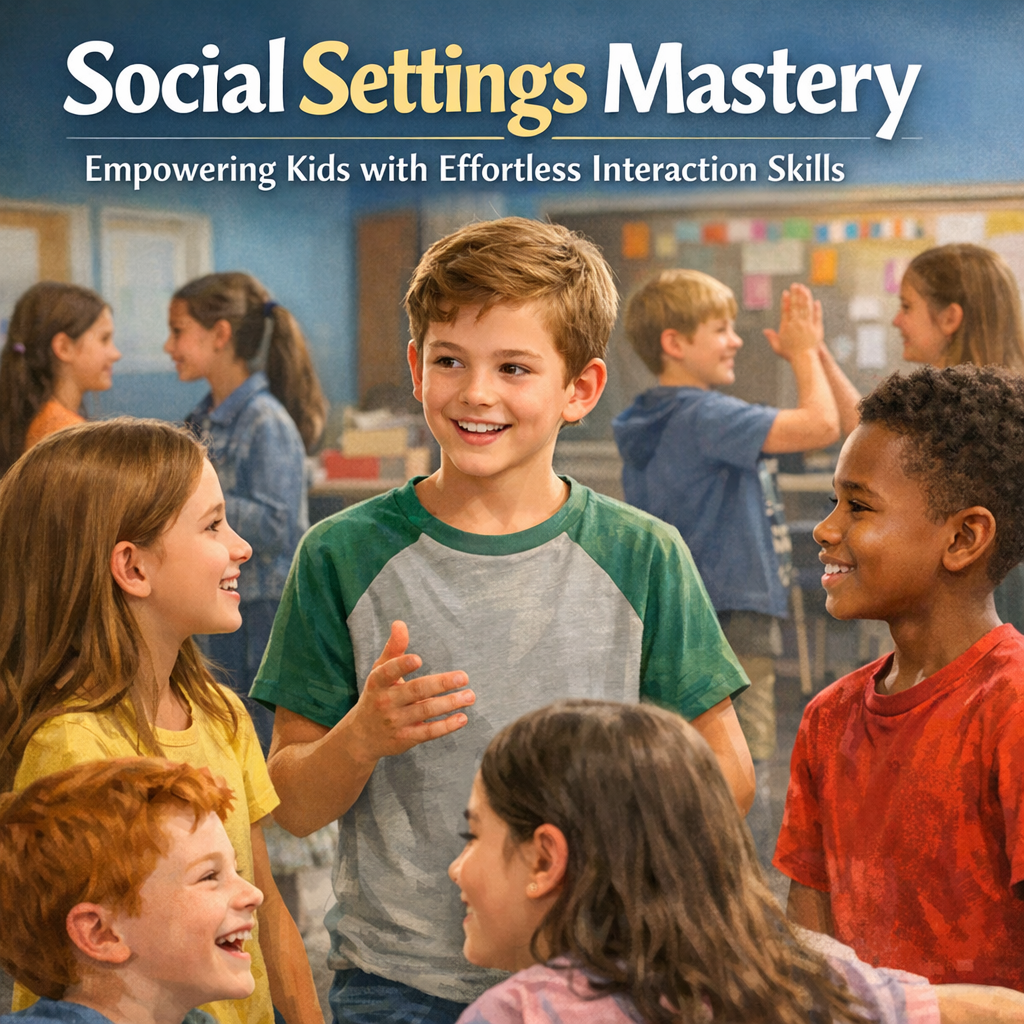
Why Social Skills Matter
Social skills are fundamental in shaping how children interact with others, make friends, and fit in various environments. These skills help kids in:
– Building and maintaining friendships
– Developing empathy and understanding
– Communicating effectively
– Resolving conflicts with peers
Developmental Benefits of Strong Interaction Skills
Children who master social skills are better prepared to face the challenges of adulthood. These benefits include:
– Enhanced problem-solving abilities
– Improved academic performance
– Increased emotional intelligence
– Greater career success in the future
Building the Foundation for Effective Social Interaction
Identifying Your Child’s Strengths and Weaknesses
Start by observing your child’s current interaction patterns. Are they comfortable approaching other kids or do they shy away from group settings? Understanding their starting point will help you tailor your approach effectively.
Encouraging Empathy and Active Listening
Teach your child to put themselves in others’ shoes and express understanding through:
– Listening without interrupting
– Making eye contact to show attention and interest
– Responding with kindness and respect
Role-Playing Scenarios for Practice
Role-playing different social scenarios can significantly benefit children. Try simulating situations like:
– Introducing themselves to new friends
– Handling disagreements calmly
– Joining a group that’s already engaged in an activity
Techniques to Boost Confidence in Social Settings
Positive Reinforcement
Praising small victories and good social behavior encourages repeated actions. Use positive reinforcement by:
– Giving verbal affirmations
– Providing rewards for displaying good social skills
Setting Realistic Goals
Set achievable social interaction goals with your child. Start with simple tasks like:
– Saying hello to a new classmate
– Inviting a friend over for a playdate
Gradual Exposure to Diverse Social Settings
Gradually exposing kids to various social settings builds their confidence. Engage them in:
– Family gatherings
– Community events
– Extracurricular activities
Effective Communication Strategies for Kids
Teaching Basic Conversation Skills
Help kids initiate and maintain conversations by:
– Starting with open-ended questions
– Sharing personal anecdotes
– Expressing genuine interest in the other person’s stories
Using Non-Verbal Cues
Emphasize the importance of non-verbal communication like:
– Facial expressions
– Hand gestures
– Tone of voice
Practicing Turn-Taking
Turn-taking is vital in conversations. Teach your child to:
– Wait patiently for their turn to speak
– Respect others’ contributions
– Respond appropriately to differing opinions
Helping Kids Navigate Peer Relationships
Understanding Friendship Dynamics
Educate your child about different friendship levels and dynamics:
– Acquaintances vs. close friends
– Recognizing healthy vs. toxic relationships
Handling Peer Pressure
Equip your child to handle peer pressure with these strategies:
– Saying “no” confidently
– Seeking support from trusted adults
– Standing by their values
Conflict Resolution Techniques
Teach your child conflict resolution steps:
– Calm down before reacting
– Use “I” statements to express feelings
– Find a mutual solution
Tools and Resources for Parents and Educators
Utilizing Technology for Social Skills Development
Several apps focus on enhancing kids’ social interaction skills. One such resource is the Brain Baba Kids Learning App, offering educational games and activities designed to foster social and cognitive growth.
Workshops and Social Skills Groups
Consider enrolling your child in social skills workshops or groups that offer:
– Interactive activities
– Group discussions
– Feedback sessions
Books and Educational Materials
A variety of books and resources are available to guide children on social interaction:
– Children’s books about making friends
– Guides for dealing with bullying
– Activity workbooks aimed at enhancing communication skills
Encouraging Continuous Growth and Development
Celebrating Milestones
Regularly acknowledge and celebrate your child’s social achievements. Host small celebrations for reaching milestones to reinforce their progress.
Encouraging Reflection
After social activities, encourage your child to reflect on their experiences by:
– Discussing what went well
– Identifying areas for improvement
– Setting goals for next time
Fostering a Supportive Environment
Ensure your child feels supported by:
– Providing a safe space to express fears and challenges
– Offering guidance without pressuring them
– Being a role model through your own social interactions
FAQs on Empowering Kids with Interaction Skills
How do I know if my child struggles with social skills?
Signs may include avoiding social gatherings, having few friends, difficulty in starting conversations, and expressing extreme shyness or anxiety in group situations.
What age should I start teaching social skills to my child?
It’s never too early to start. Basic skills like sharing and expressing needs can be taught as early as toddler years, with more complex skills developing throughout their childhood and adolescence.
How can I encourage my shy child to be more social?
Start gently with low-pressure social settings and gradually increase complexity as your child becomes more comfortable. Encourage them to join groups that align with their interests to stimulate engagement.
Are there any resources for children with special needs?
Yes, there are specialized programs and therapies designed to improve social skills in children with autism and other developmental challenges. Consult with a pediatric therapist for personalized options.
How can the Brain Baba Learning App help my child?
The Brain Baba Kids Learning App is an educational platform offering interactive games and activities tailored to cultivate children’s learning and social interaction capabilities.
Conclusion
Mastering social settings is a crucial step in a child’s development, ensuring they grow into confident, well-rounded individuals. With your support and the right strategies, you can equip your child with the skills necessary to navigate the complexities of social interaction. Start today by implementing small, consistent changes and incorporating technology, like the Brain Baba Kids Learning App, to enhance their learning journey. Empower your child to thrive socially and watch them flourish in the world around them.
—
Discover more about effective social skills training through our diverse offerings. Explore related content on our site to continue supporting your child’s development in the most impactful ways.