Learn History Effortlessly: Stunning Kids Storytelling Adventures
In the age of digital information, helping children learn history effectively can be a challenge. Yet, with the incredible tools available today, including stunning kids storytelling adventures, young learners can easily dive into the past. This compelling approach bridges the gap between education and entertainment, transforming historical facts into vibrant narratives that capture the imagination. Parents and educators are crucial allies in fostering this love for history, ensuring that kids develop a deep understanding of our world’s past in ways that resonate with their inquisitive minds.
The Power of Storytelling in Learning History
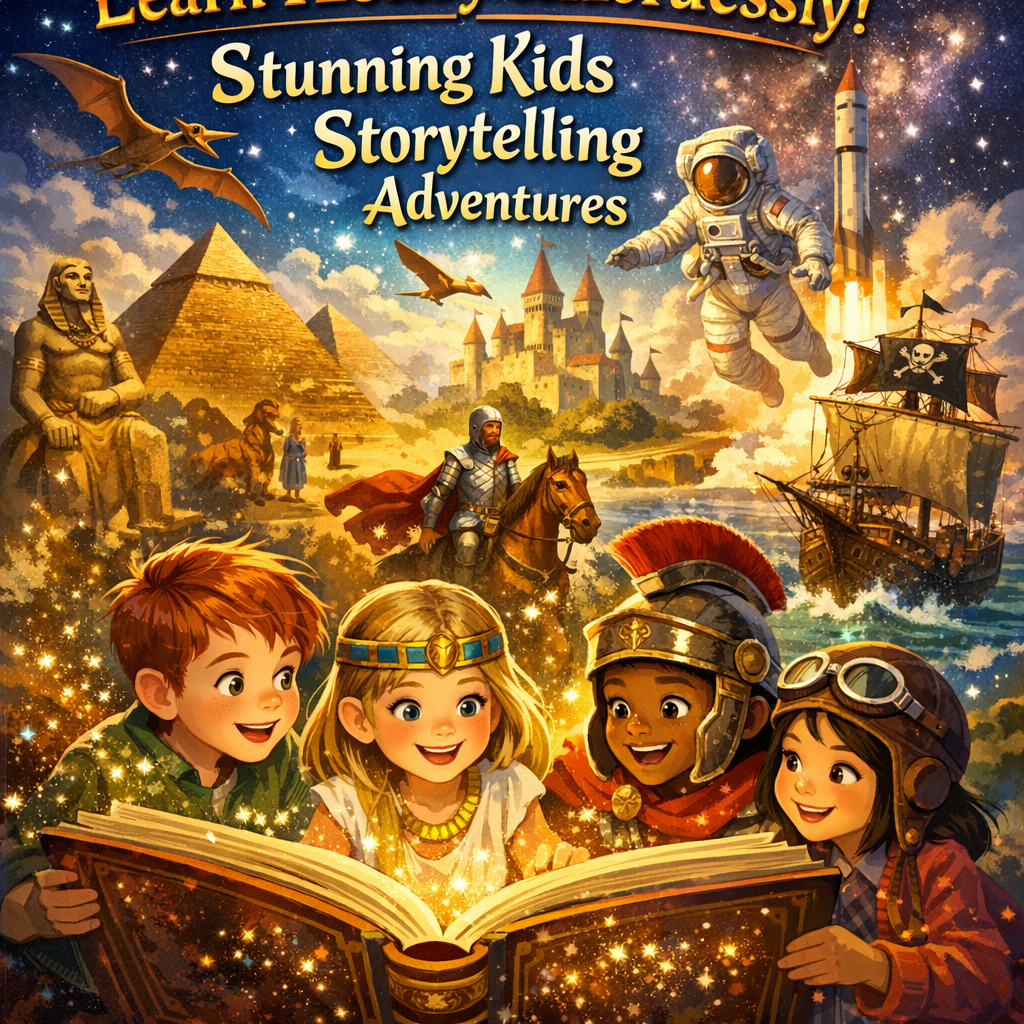
Storytelling is a powerful tool that transcends cultures and generations. Historically, stories have been instrumental in passing down knowledge, values, and traditions. For children, storytelling offers a unique opportunity to learn history in a way that feels natural and engaging.
Why Storytelling?
– Emotional Connection: Stories evoke emotions, making historical events more relatable and memorable.
– Imagination Activation: Storytelling encourages kids to visualize historical settings and characters, enhancing creative thinking.
– Interactive Engagement: Kids can participate in storytelling, asking questions and exploring different perspectives.
Learn more about making education engaging with our interactive learning guide.
Benefits of Kids Storytelling Adventures
– Narrative Structure: Kids learn to comprehend historical timelines through structured narratives.
– Moral Lessons: Historical adventures often include moral lessons, enhancing character education.
– Cultural Awareness: Children gain insights into diverse cultures and historical events worldwide.
Explore the importance of cultural awareness further in our detailed article.
Designing Storytelling Adventures for Kids
Creating a captivating storytelling adventure requires careful consideration to ensure it’s educational and entertaining. Here are some strategies to design perfect storytelling adventures:
1. Choose Relatable Characters
Selecting characters that resonate with children can enhance engagement. Whether it’s a historical figure or a fictional character navigating real events, relatability is key.
2. Use Simple Language
Utilize age-appropriate vocabulary to ensure that young learners understand and enjoy the story without feeling overwhelmed.
3. Incorporate Fun and Facts
Balance historical facts with fun elements like humor and mystery to maintain interest and enhance information retention.
4. Utilize Visual Aids
Visual storytelling through illustrations or animations can be a powerful ally. Rich visuals help bring historical contexts alive, aiding in comprehension and retention.
Integrating Technology in Historical Storytelling
Incorporating technology can significantly enhance kids’ storytelling experiences. The digital landscape offers numerous tools to make history learning more interactive and exciting.
Educational Apps
Apps like the Brain Baba Kids Learning App are transforming historical learning by providing interactive storytelling experiences that kids can enjoy anytime.
Features to Look For:
– Interactive Games: Engage with history through games that make learning dynamic.
– Audio Narratives: Experience history through the power of voice, adding depth to storytelling.
– Augmented Reality Experiences: Create immersive experiences that allow children to explore historical settings virtually.
Explore how digital tools are changing education in our comprehensive review.
Online Resources and Tools
– Virtual Tours: Discover historical sites worldwide through virtual tours conveniently accessible online.
– E-books and Audiobooks: Provide flexibility and access to a wide variety of historical stories suitable for children.
– Multimedia Presentations: Combine video, audio, and text to create compelling narrative experiences.
Explore our list of top kids-friendly educational sites.
Engaging Parents and Educators in Kids’ Historical Learning
The role of parents and educators is vital in guiding children through historical learning adventures. Here’s how they can contribute:
Organize Interactive Workshops
Parents and educators can collaborate to organize workshops where kids can participate in group storytelling activities. Such experiences foster collaboration and communication skills.
Encourage History Discussions
Create a culture of curiosity by discussing historical events during family gatherings or in classroom settings. Encourage questions and exploratory discussions to deepen understanding.
Utilize Community Resources
Local museums and libraries offer programs and resources tailored to children. Participating in these activities provides tangible connections to historical learning.
Challenges and Solutions in History Learning for Kids
Common Challenges
1. Complex Concepts: Some historical concepts can be too advanced for young learners.
2. Engagement Issues: Maintaining interest can be challenging, especially with dry historical facts.
3. Access to Quality Resources: Not all families or schools have access to high-quality historical resources.
Solutions
– Simplified Explanations: Break down complex topics into digestible pieces using analogies.
– Engagement Techniques: Use storytelling, games, and technology to make history appealing.
– Resource Networks: Connect with local educational networks or online platforms to access diverse materials and support.
FAQs about Learning History through Storytelling
What age group benefits most from storytelling in history learning?
Storytelling is effective for all ages but is particularly beneficial for ages 4-12. During these formative years, children are highly receptive to imaginative learning methods.
How can educators implement storytelling in history lessons?
Educators can incorporate storytelling by creating narrative-based lesson plans, using role-play, and utilizing multimedia resources. Workshops and projects focusing on storytelling structures can also be beneficial.
Are digital storytelling apps safe and effective for kids?
Yes, especially when parental controls and curated content guides are utilized. Apps like the Brain Baba Kids Learning App are designed to be safe and provide valuable learning experiences.
What should parents look for in storytelling resources?
Parents should seek resources that blend educational content with engaging narratives. Look for books, apps, or programs that are age-appropriate and have positive reviews from other parents and educators.
How can storytelling adventures be integrated at home?
Integrate storytelling by setting aside time for weekly story sessions, encouraging creative writing, and exploring history-themed games together. Creating a family storytelling tradition can also be a wonderful bonding experience.
Conclusion
Effortlessly learning history through kids storytelling adventures unlocks a world of discovery and inspiration. By blending the magic of storytelling with educational tools, parents and educators can foster a love for history that endures. To create lasting impacts, embrace technology, encourage active participation, and cultivate curiosity within and beyond the classroom.
Ready to embark on this journey? Download the Brain Baba Kids Learning App and unlock a treasure trove of storytelling adventures that bring history to life for your child.