The Power of Independent Play: Unlocking Benefits for Child Focus
In an age where screen time often eclipses imaginative exploration, independent play emerges as a crucial component in fostering child focus and holistic development. Encouraging independent play not only enhances attention span but also lays the foundation for creativity, problem-solving, and self-regulation. As we delve deeper into the stunning benefits of independent play, we’ll explore actionable strategies to incorporate it into daily routines, effectively nurturing young minds.
Understanding Independent Play: A Foundation for Growth
What is Independent Play?
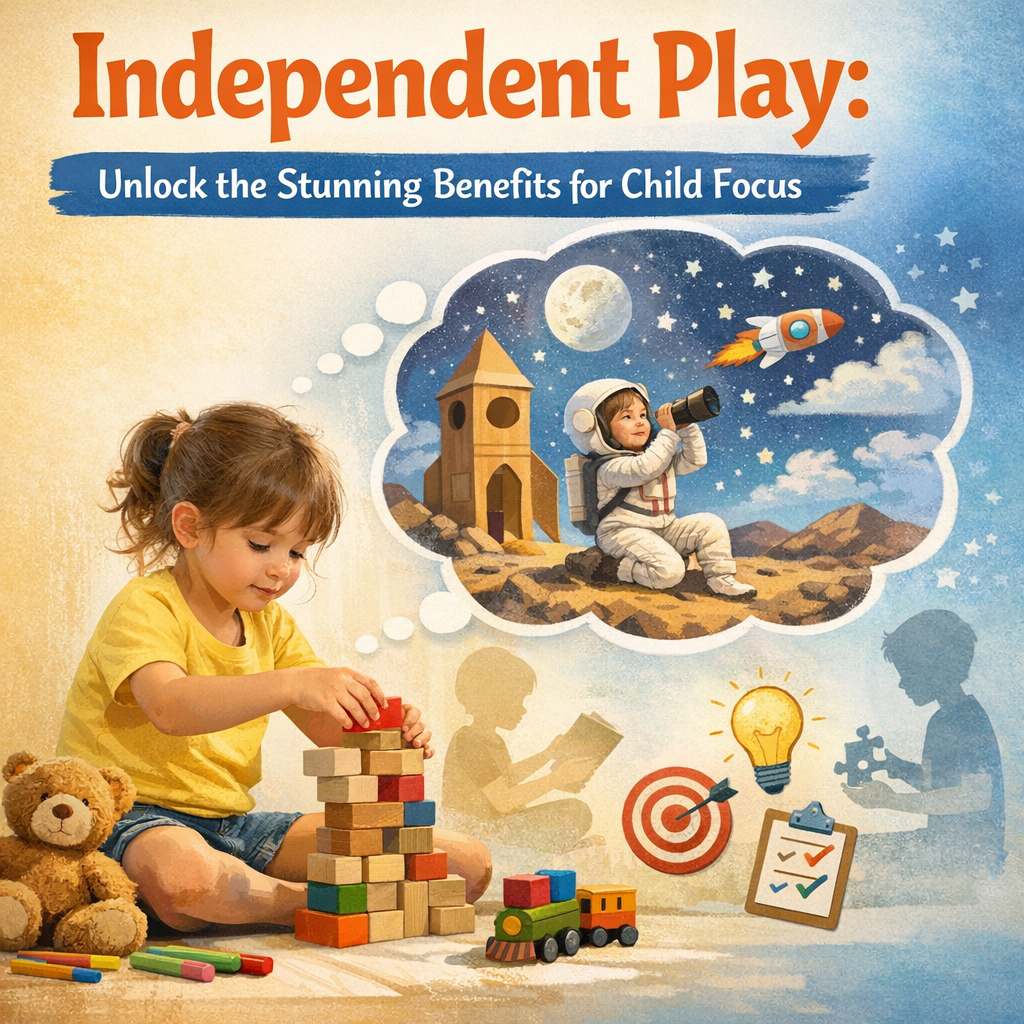
Independent play refers to a child’s ability to engage in a self-directed activity without the need for external guidance. It fosters autonomy as children explore their imagination and skills at their pace. Through activities such as building blocks, drawing, or role-playing, children learn to entertain and educate themselves, developing crucial cognitive and emotional skills.
The Psychological Benefits of Independent Play
Engaging in independent play allows children to develop a sense of self-worth and competence. They learn to take initiative, make decisions, and cope with challenges, which are vital skills for their psychological resilience. As children immerse themselves in play, they develop a deeper focus, enhancing their attentional capabilities in both academic and social settings.
Enhancing Child Focus Through Play
Independent play inherently improves a child’s ability to concentrate. By gearing their attention towards a singular task or activity, children practice sustained attention. This focus is essential not only for academic tasks but also for everyday decision-making processes.
Implementing Independent Play in Daily Routines
Creating an Inviting Play Environment
To nurture independent play, creating a conducive environment is crucial. This includes:
– Designated Play Spaces: Allocate specific areas in your home dedicated to play. Ensure these spaces are safe and equipped with a variety of toys and materials.
– Minimal Distractions: Keep play areas free from digital devices and excessive noise to maintain focus.
– Diverse Materials: Offer a range of open-ended toys like blocks, art supplies, and dress-up clothes to spark creativity.
Encouraging Self-Initiated Play
Parents and educators can gently guide children to engage in play without directing activities. Consider the following strategies:
– Set Clear Boundaries: Establish guidelines that allow children to play freely while feeling safe and secure.
– Offer Choices: Providing options empowers children to make decisions about their play, fostering independence.
– Model Empathy and Listening: To encourage self-initiated play, demonstrate attentive listening and empathy during interactions.
Balance Between Structured and Unstructured Play
While independent play emphasizes self-direction, it’s important to balance structured and unstructured activities:
– Structured Play: Involves activities with specific goals or rules, helping children develop problem-solving skills.
– Unstructured Play: Offers freedom and creativity, encouraging imagination and exploratory learning.
Tools and Resources to Support Independent Play
Utilizing Technology Wisely
While traditional toys are invaluable, educational apps can be useful tools. For instance, the Brain Baba Kids Learning App offers resources that support independent learning in a structured yet engaging manner.
Crafting DIY Play Materials
Encouraging creativity can be as simple as crafting homemade toys:
– Recycled Materials: Use items like cardboard boxes and plastic bottles for artistic projects.
– Nature-Based Play: Incorporate natural elements like stones and leaves to create sensory experiences.
Books and Storytelling
Leveraging storytelling enhances imagination and focus. Books can transport children to new worlds, fostering both language and cognitive development:
– Storytelling Sessions: Encourage children to narrate their own stories, enhancing linguistic skills.
– Interactive Reading Time: Allow children to lead the reading sessions, choosing their favorite books.
Overcoming Challenges in Promoting Independent Play
Addressing Screen Time Habits
In tackling screen reliance, consider these strategies:
– Create Tech-Free Zones: Designate areas in your home where screens are not allowed.
– Set Screen Time Limits: Establish clear rules regarding daily screen usage.
– Encourage Alternative Activities: Offer engaging offline activities as appealing alternatives.
Supporting Children with Different Needs
Children with varying developmental needs may require tailored approaches to independent play:
– Specialized Toys: Choose toys specifically designed to aid development for children with disabilities.
– Adaptive Spaces: Modify play spaces to ensure safety and accessibility for all children.
Addressing Parental Concerns
Some parents worry about the implications of independent play. Address these concerns by:
– Understanding Risks: Recognize that minor bumps and falls are part of learning.
– Fostering Independence Slowly: Gradually increase the time children spend playing independently.
Long-Term Benefits of Independent Play
Academic Success
Research shows that play-focused children excel in academics as they develop problem-solving and critical thinking skills. These capabilities enhance their ability to tackle complex subjects and projects.
Social and Emotional Growth
Independent play nurtures emotional intelligence by teaching children to recognize and express their feelings. Playing alone allows them to process emotions, resulting in better self-regulation and interpersonal skills:
– Empathy Development: Through role-playing, children develop empathy and improve their understanding of others’ perspectives.
– Conflict Resolution: Engaging in imaginative scenarios improves conflict resolution skills.
Lifelong Creative Thinking
Independent play cultivates creativity that extends into adulthood. Children learn to approach tasks innovatively and embrace challenges with a problem-solving mindset.
Nurturing Independent Play in Educational Settings
Classroom Strategies
Educators play a significant role in supporting independent play:
– Incorporate Play-Based Learning: Blend play with curriculum objectives to maintain engagement.
– Flexible Classroom Layouts: Arrange spaces that allow for both group and individual play.
– Observation and Guidance: Teachers should observe play to offer guidance only when necessary, fostering independence.
Collaborative Parent-Educator Efforts
Building strong partnerships between parents and teachers ensures a consistent approach:
– Open Communication: Regularly update parents about their child’s progress.
– Workshops and Seminars: Organize sessions to educate parents on the benefits of independent play.
FAQs: Understanding Independent Play
What ages benefit from independent play?
Children of all ages benefit from independent play, but its importance is most pronounced during early childhood. Infants as young as six months can engage in exploratory play, and benefits continue throughout childhood and adolescence.
How much time should my child spend engaging in independent play?
The recommended duration varies by age. Toddlers may engage for 5-10 minutes, while older children can enjoy extended playtime of 30 minutes or more. It’s essential to gradually increase this time as their focus develops.
Can independent play replace guided learning?
Independent play complements guided learning rather than replacing it. Both methodologies are essential, with guided learning offering structure and independent play fostering creativity and autonomy.
What if my child struggles with playing independently?
Start small, allowing your child to get comfortable with short periods of play. Provide encouraging feedback and slowly increase the time as they become more confident.
How can I balance independent play with socialization?
Ensure children have a mix of solitary and social play. Arrange playdates or group activities to encourage social interactions, balancing these with ample time for independent exploration.
Conclusion: Embrace the Power of Play
Independent play is not just a pastime; it’s an essential element in building a resilient, focused, and creative future generation. By prioritizing and structuring opportunities for independent exploration, parents and educators can significantly impact children’s development. As you implement these strategies, watch your child’s focus sharpen and their imagination soar. Encourage your child to explore the world independently, and consider utilizing resources like the Brain Baba Kids Learning App for enriched learning experiences—empowering your child’s journey to self-discovery and growth.
For more insights into nurturing your child’s education and development, explore our articles on effective learning strategies and the importance of creativity in education. Embrace the joy of independent play and open the door to endless possibilities for your child’s future.