Child Focus: Must-Have Concentration Games for Effortless Learning
In today’s fast-paced digital age, ensuring a child’s ability to focus has become increasingly important. Child focus is crucial for developing strong learning habits, retaining information, and building a solid foundation for future educational success. Concentration games offer an engaging way to enhance these skills, providing an enjoyable, interactive experience that promotes focus and cognitive development. This article explores some must-have concentration games and offers insights for parents and educators seeking to improve child focus effortlessly.
The Importance of Child Focus
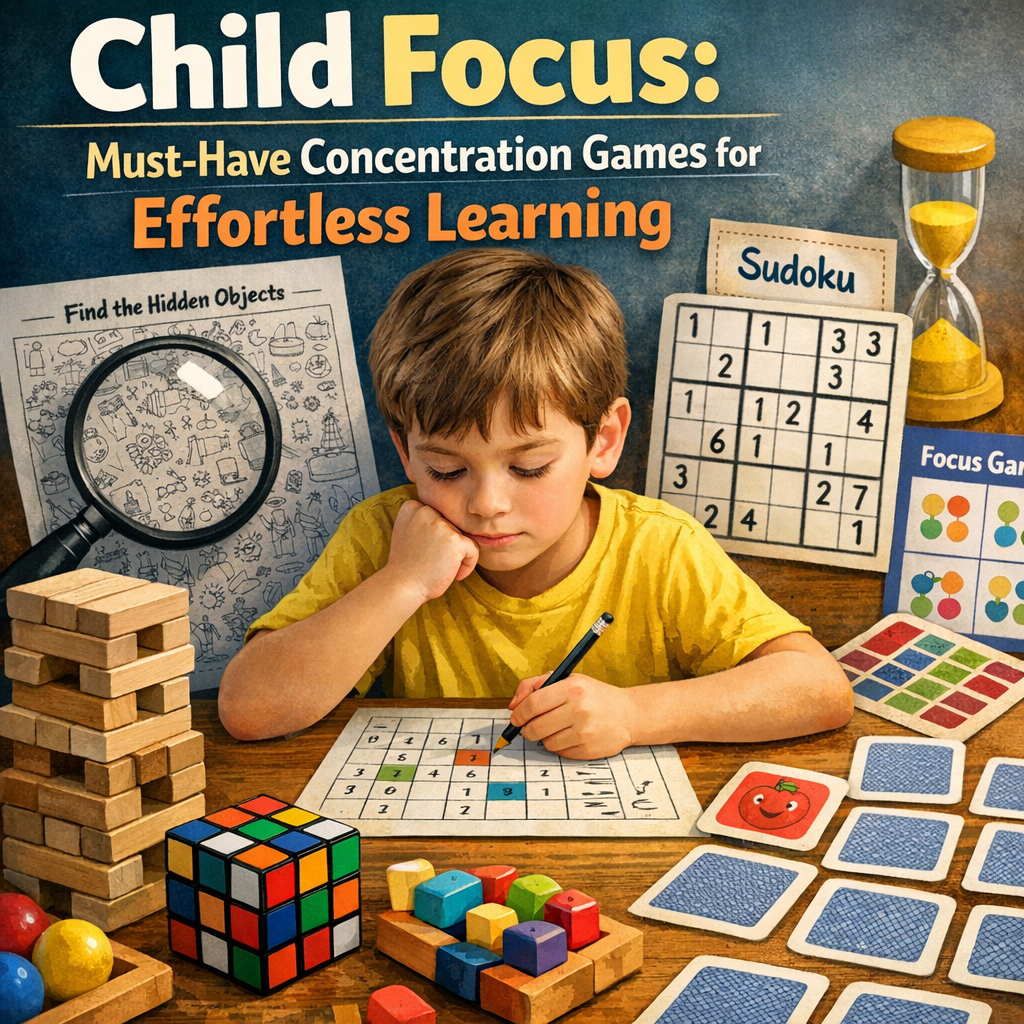
Understanding the significance of child focus in the learning process is pivotal. Children today are surrounded by distractions, from digital devices to bustling social environments, making concentration crucial for their academic progress and personal development.
Benefits of Improved Focus
1. Enhanced Cognitive Skills: Improved focus nurtures various cognitive abilities such as memory, problem-solving, and critical thinking.
2. Better Academic Performance: Concentrated attention on tasks translates to improved learning outcomes, reflecting in grades and comprehension.
3. Increased Task Completion: Focused children are more likely to complete tasks efficiently, fostering a sense of accomplishment and responsibility.
Challenges in Maintaining Focus
Modern-day distractions pose significant hurdles to maintaining focus, necessitating targeted strategies to keep a child engaged in learning activities. Utilizing concentration games is a strategic approach to overcome these challenges.
Top Concentration Games for Enhancing Child Focus
Integrating concentration games into a child’s routine can significantly improve their focus and intellectual growth. Here are some expert-recommended games that can be seamlessly woven into daily learning activities.
1. Memory Matching Games
Memory matching games are classic yet effective in sharpening focus and enhancing memory retention.
– How to Play: Lay cards face down and have the child flip two at a time, trying to match pairs. This game strengthens short-term memory and attention to details.
– Educational Benefits: Encourages critical thinking, patience, and pattern recognition.
2. Puzzles
Puzzles are fantastic tools for developing concentration and problem-solving skills.
– Types of Puzzles: Ranging from jigsaw puzzles to 3D puzzles, these games cater to various age groups and difficulties.
– Educational Benefits: Improve hand-eye coordination, spatial awareness, and logical thinking.
3. Sudoku
Sudoku is a number-based puzzle that enhances strategic thinking and concentration.
– How to Play: Fill a 9×9 grid with digits so that each column, row, and 3×3 section contain all numbers from 1 to 9.
– Educational Benefits: Boosts mathematical skills and logical reasoning.
4. Maze Games
Mazes are excellent for improving visualization and planning abilities.
– How to Play: Find a path through the winding routes of each maze from start to finish.
– Educational Benefits: Enhances spatial navigation skills and boosts patience.
5. Brain Baba Kids Learning App
The Brain Baba Kids Learning App offers interactive concentration games suitable for various age groups. With its intuitive interface, this app builds focus via fun and engaging activities tailored for children.
– Key Features: Includes quizzes, puzzles, and brain teasers designed to develop cognitive skills.
– Download the App: Ideal for parents who are keen on enhancing their children’s focus using technology.
Implementing Concentration Games in Daily Routines
Integration of concentration games into daily routines engages children actively, making learning an enjoyable experience. Here’s how parents and educators can implement these games effectively:
Morning Brain Boosters
– Start the Day with Puzzles: Encourage the child to solve a quick puzzle or engage in a memory game to kickstart their brain.
– Consistency is Key: Enforcing a regular routine helps children associate mornings with cognitive exercises.
Game-Based Learning in School
– Incorporate Game Time in Lessons: Use concentration games as part of daily lessons to stimulate interest and active participation.
– Collaborative Learning: Implement group-based games that promote teamwork and cooperative learning.
After-School Brain Breaks
– Unwind with Interactive Games: Post-school, allow some time for interactive concentration games that relax yet stimulate mental alertness.
– Balance Active Play and Screen Time: Ensure a healthy mix of physical and digital games to cater to varied interests.
Tips for Parents to Encourage Focus
While games are a useful tool, parental guidance plays a crucial role in nurturing focus. Here are some actionable tips for parents:
1. Create a Distraction-Free Environment
Set up a dedicated space for study and games, minimizing potential distractions such as loud noises or screen time.
2. Set Realistic Goals
Encourage short, achievable milestones in games and daily tasks that build confidence and sustained interest.
3. Practice Mindful Techniques
Incorporate mindfulness exercises like deep breathing or calm visualization to enhance concentration.
4. Encourage Breaks and Physical Activity
Balance mental activities with physical exercise to refresh and rejuvenate a child’s mind.
FAQs About Using Concentration Games
What age is appropriate for starting concentration games?
For most games, children as young as three can begin engaging with simplified versions, gradually advancing as their skills improve.
How can I measure improvement in my child’s concentration?
Observing increased attention to tasks, quicker completion times, and improved academic performance are indicators of enhanced concentration.
Are digital concentration games as effective as traditional ones?
Yes, digital games like those on the Brain Baba Kids Learning App offer varied interactive experiences and can be highly effective if used appropriately.
Can concentration games help children with ADHD?
While concentration games can assist in improving focus, professional guidance should be sought for children with ADHD to tailor specific strategies.
How often should my child engage with concentration games?
A balanced approach of 15-30 minutes daily, complemented with physical activities, ensures effective learning without straining the child.
Conclusion and Call to Action
Incorporating concentration games into daily routines is a seamless, effective strategy for enhancing child focus and overall cognitive growth. Parents and educators seeking to provide a solid foundation for lifelong learning can trust these engaging tools to support children’s development. To get started, consider integrating the Brain Baba Kids Learning App into your child’s daily routine for an enjoyable learning experience.
Discover more enriching content on our site to explore additional educational strategies and tools for encouraging lifelong learning in children. Ensure your child’s focus and learning capabilities are primed for success by incorporating effective concentration games into their daily lives. Embrace this journey of effortless learning today!