Social Skills Mastery: Unlock Stunning Preschool Interaction Effortlessly
In the world of early childhood development, mastering social skills is a cornerstone of successful preschool interaction. As parents and educators, guiding children through these formative years involves nurturing their ability to communicate, cooperate, and connect with others. By focusing on these social competencies, we can lay a robust foundation for future success. This article provides an in-depth exploration of strategies and insights to bolster these critical skills in preschoolers.
Understanding Social Skills in Early Childhood
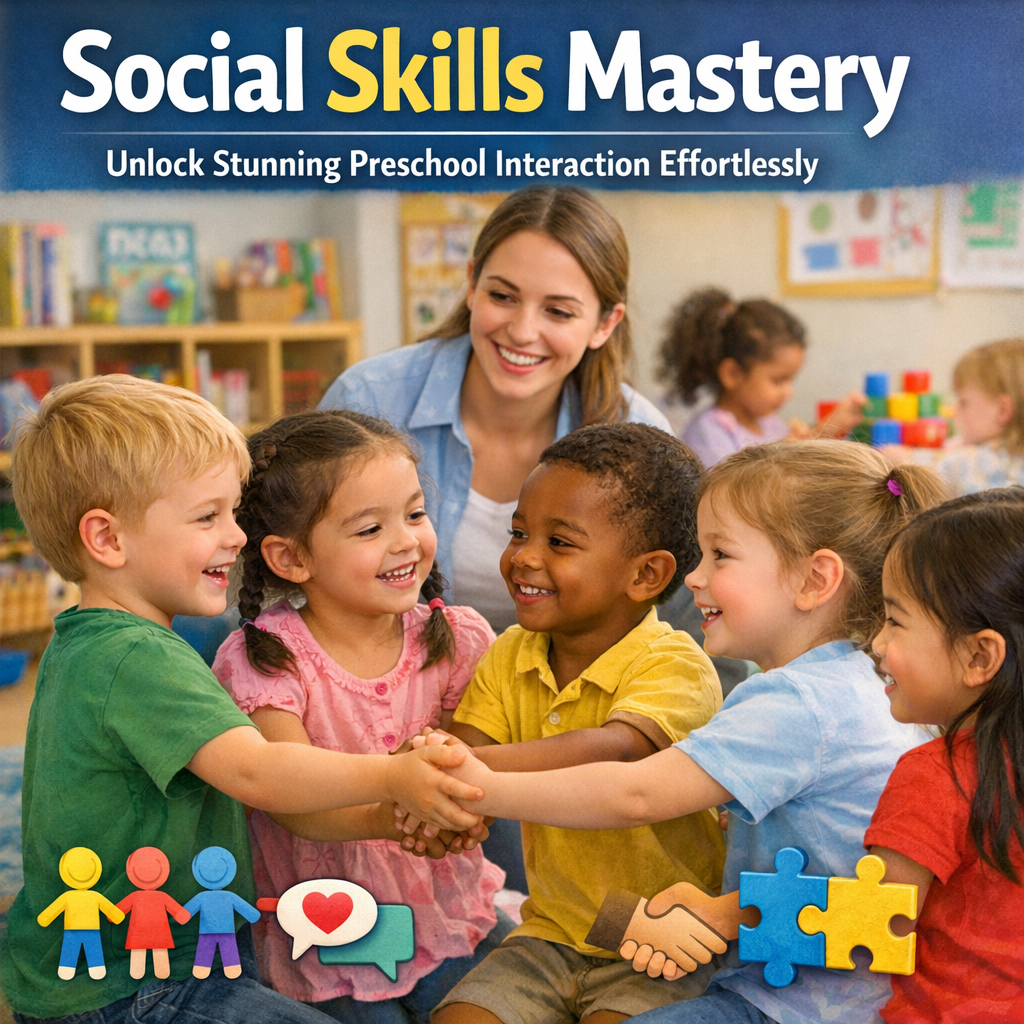
Social skills are essential competencies that involve interaction, communication, and relationship-building. For preschoolers, developing these abilities is crucial in navigating social situations confidently. These skills include:
– Effective communication
– Empathy and understanding
– Conflict resolution
– Cooperation and sharing
Why Are Social Skills Important?
Developing social skills at a young age has numerous benefits:
– Improved Communication: Strong social skills boost language development and allow children to express their needs more effectively.
– Better Academic Performance: Preschoolers with superior social abilities often excel academically as they interact productively with peers and teachers.
– Enhanced Emotional Health: Social competency reduces stress and fosters a positive self-image.
– Lifelong Success: These skills translate into adulthood, influencing personal and professional relationships.
Strategies for Enhancing Preschool Social Skills
To unlock stunning preschool interaction, various strategies can be implemented. These actionable insights will help children in mastering the necessary social competencies.
1. Role Play and Imaginative Play
Role play is a powerful tool in developing social skills. Encourage children to engage in imaginative play scenarios where they take on different roles. This activity allows children to explore emotions, practice empathy, and understand various perspectives.
Tips:
– Create a dress-up corner with costumes representing different professions.
– Set up a play kitchen or market where children can ‘cook’ and ‘shop’ together.
– Encourage the use of puppets to enact different social situations.
2. Structured Group Activities
Group activities provide an excellent opportunity for children to learn about teamwork and cooperation. Through structured play, children can develop negotiation skills and learn to work towards common goals.
Examples of Group Activities:
– Building a puzzle together
– Simple team sports like relay races or tag
– Cooperative art projects such as a mural
3. Storytelling and Books
Storytelling is a powerful medium for teaching social skills. Stories enable children to visualize scenarios and learn how characters navigate challenges and emotions.
Recommended Practices:
– Select books with themes of friendship, sharing, and empathy.
– Discuss the story with open-ended questions like “How would you feel if that happened to you?”
– Encourage children to tell their own stories to develop narrative skills and emotional expression.
4. Positive Reinforcement
Using positive reinforcement helps children understand the value of good social behavior. Praise children for showing kindness, cooperation, and effective communication.
Methods:
– Create a reward system for collaborative efforts.
– Use verbal praise to reinforce positive interactions.
– Share positive interactions with parents to encourage consistency at home.
5. Teach Emotional Intelligence
Emotional intelligence is a critical aspect of social skills. Help children identify and manage their emotions to interact more harmoniously with others.
Activities for Emotional Intelligence:
– Emotion charades: Children act out different emotions while others guess.
– Emotion wheels: Create visual aids to help label feelings.
– Breathing exercises: Teach children to manage big emotions through relaxation techniques.
Overcoming Challenges in Social Development
Parents and educators may encounter challenges in fostering social skills. Here are common obstacles and strategies to overcome them.
Common Challenges
– Shyness or Anxiety: Some preschoolers may feel anxious in social settings, hindering interaction.
– Aggression or Disruptiveness: Difficulty in communicating may manifest as aggression.
– Limited Verbal Skills: Language barriers can complicate interactions.
Strategies to Address Challenges
– For Shyness/Anxiety: Gradual exposure to group settings, paired with encouragement and support, can enhance confidence.
– For Aggression: Implement clear rules and consistent consequences, focusing on teaching appropriate expressions of frustration.
– For Limited Verbal Skills: Introduce visual aids and simple language games to develop vocabulary.
Enabling Social Skills Through Technology
In today’s digital age, technology can play a role in developing social skills. Interactive apps like the Brain Baba Kids Learning App offer educational games designed to foster young learners’ cognitive and social development.
– Interactive Learning: Children can explore interactive stories and games that involve decision-making and empathy.
– Safe Environment: Brain Baba provides a child-friendly platform that encourages collaborative interactions.
– Track Progress: Parents can monitor their child’s achievements and areas for improvement.
For a modern approach to learning, consider downloading the app for kids to enhance their interaction skills effectively.
Resources for Parents and Educators
Here are additional resources to support social skill development:
– Workshops and Seminars: Attend early childhood education seminars for innovative strategies.
– Parent-Teacher Collaboration: Engage in discussions with educators to share insights and techniques.
– Online Communities: Join forums dedicated to early childhood development to exchange ideas and experiences.
FAQs on Developing Preschool Social Skills
What are the key social skills for preschoolers?
Preschoolers should focus on communication, emotional intelligence, cooperation, and conflict resolution. These lay the groundwork for positive interactions and lifelong success.
How can I help my shy child develop social skills?
Gradual exposure to social situations, role-playing at home, and positive reinforcement can help shy children develop confidence. Encourage interactions with both peers and adults.
What resources are effective for teaching social skills?
Books, structured group activities, apps like Brain Baba, and parental engagement are all effective resources for teaching social skills to preschoolers.
Are there specific activities for preschoolers to improve interaction?
Yes, group games, imaginative play, storytelling, and shared art projects are excellent for fostering interaction. Tailor activities to match the child’s interests for maximum engagement.
How can technology aid in social skill development?
Educational apps offer interactive environments where children can practice communication, empathy, and sharing. They also provide a structured and safe space for development.
Conclusion: Fostering Future Success
Mastering social skills in preschool is an essential aspect of childhood development. By providing the tools and opportunities for children to practice these skills, parents and educators set them on a path to lifelong success. Engage in activities that promote communication, empathy, and cooperation, and consider integrating technological resources like the Brain Baba Kids Learning App for an enriching learning experience.
For more insights and resources, explore sections on child development, early learning strategies, and educational technology on our site. Encourage your child to grow socially and emotionally, positioning them for a bright future.
Now is the time to take action. Begin nurturing these essential life skills today to see your child thrive tomorrow.