Shapes Patterns: Uncover the Effortless Math Readiness Magic!
In today’s ever-evolving educational landscape, understanding shapes patterns is more vital than ever in aiding math readiness among young learners. Teachers and parents seek innovative ways to instill a love for numbers and problem-solving in children. Discovering patterns, especially through shapes, provides an engaging method to prepare them for complex mathematical concepts. This article explores the magic behind shapes patterns and their impact on developing math readiness.
Understanding the Importance of Shapes Patterns
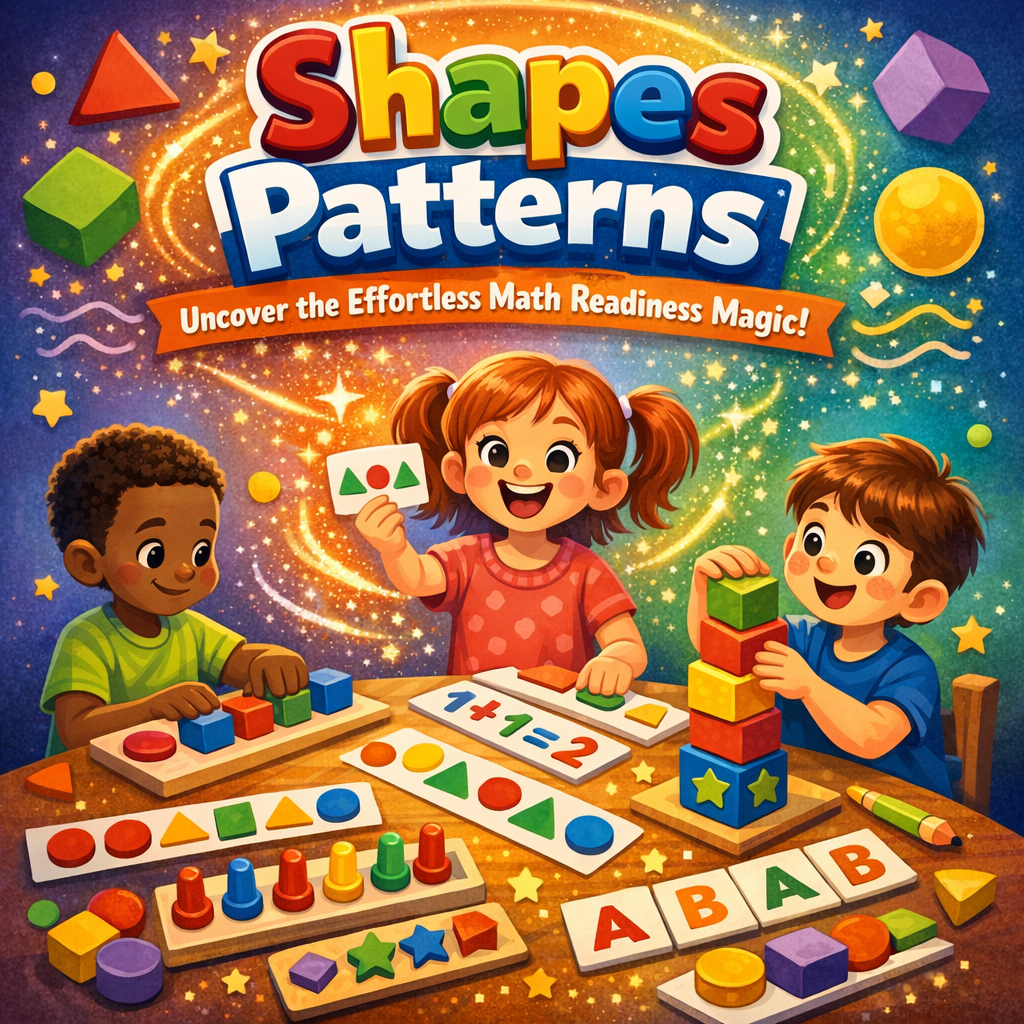
Shapes patterns form the cornerstone of many mathematical concepts. By recognizing and predicting patterns, children enhance their cognitive abilities, which are critical for solving mathematical problems. Shapes introduce a visual and tactile experience, making learning more engaging.
The Cognitive Connection
Engaging with shapes patterns nurtures the brain’s ability to recognize sequences and predict outcomes, vital in mathematics. When children interact with patterns, they:
– Develop spatial awareness
– Enhance problem-solving skills
– Improve counting and calculation abilities
Educator Insights: Transforming Theory into Practice
Educators worldwide recognize the importance of incorporating shapes into the curriculum to foster math readiness. Emphasizing the relationship between different shapes, children learn to visualize mathematical problems effectively. Incorporate hands-on activities such as block-building or puzzles to make learning interactive and enjoyable.
Effective Strategies for Teaching Shapes Patterns
Implementing effective strategies in teaching shapes patterns requires a blend of creativity and knowledge. Here are actionable techniques to engage young learners:
Hands-On Activities
1. Shape Sorting: Create a game where children categorize different shapes, enhancing both shape recognition and differentiation skills.
2. Pattern Blocks: Use colored blocks to form repeating patterns, encouraging kids to predict the subsequent shape in the sequence.
Interactive Learning Platforms
With the advent of technology, platforms such as the Brain Baba Kids Learning App provide interactive modules focusing on shapes and patterns. These tools offer personalized learning environments where children can explore various mathematical concepts.
Storytelling with Shapes
Incorporate storytelling where characters are represented by different shapes. This method not only makes learning fun but also helps in memorizing patterns and sequences effortlessly.
Integrating Shapes Patterns into Everyday Activities
Parents and educators can also look beyond the classroom to further integrate shapes patterns into daily life:
Culinary Creations
Cooking can be a delightful opportunity to explore shapes. Encourage children to identify patterns with cookie cutters, pizza toppings, or fruit arrangements.
Nature Walks
A simple walk in the park can turn into a shapes pattern treasure hunt. Ask children to identify and record patterns they observe in leaves, flowers, and clouds.
Crafting Projects
Engage in DIY projects such as creating mosaics or collages using paper cut-outs of different shapes. It promotes creativity and strengthens pattern recognition.
The Role of Shapes Patterns in Advanced Math Concepts
Shapes patterns lay the groundwork for more advanced math concepts. Understanding these fundamental patterns aids in grasping complex mathematical ideas:
Algebraic Thinking
Pattern recognition is foundational for understanding variables and functions, paving the way for algebraic thinking. It enables children to:
– Recognize relationships between numbers
– Develop logical reasoning skills
Geometry Connections
Shapes provide a practical approach to understanding geometry. Recognizing patterns helps students visualize concepts such as symmetry, congruence, and geometric transformations.
Problem-Solving Skills
Patterns train young minds to approach problems methodically, a skill crucial in mathematics. Recognizing a recurring shape pattern in logical sequences helps solve puzzles and real-world problems efficiently.
Overcoming Challenges in Teaching Shapes Patterns
While shapes patterns offer numerous benefits, educators might encounter challenges in teaching these concepts effectively:
Catering to Diverse Learning Styles
Not all students respond to visual learning the same way. Combine auditory, visual, and kinesthetic learning methods to cater to diverse needs.
Maintaining Engagement
Keep lessons dynamic with varied activities and consistent positive reinforcement. Encourage curiosity by asking open-ended questions about patterns.
Measuring Progress
Track students’ progress with interactive assessments and custom worksheets to ensure they grasp each concept thoroughly before moving on.
FAQs: Your Questions Answered
To further assist parents and educators, here are some frequently asked questions about shapes patterns and math readiness:
What age should children start learning about shapes patterns?
Children can begin exploring shapes and patterns as early as preschool. Introducing basic shape recognition and simple pattern activities helps build foundational skills essential for math readiness.
How do shapes patterns enhance problem-solving skills?
Shapes patterns encourage children to identify relationships and predict outcomes, fostering critical thinking and logical reasoning. These skills are essential for solving various mathematical problems.
Can shapes patterns help in developing early literacy skills?
Yes, patterns exist in language as well. Recognizing sequences in storytelling and rhymes can enhance a child’s reading ability and vocabulary.
How often should children engage with shapes patterns?
Regular exposure is key, but balance is also essential to ensure engagement without overwhelming. Incorporate shape pattern activities several times a week, using different methods to maintain interest.
Are digital tools effective in teaching shapes patterns?
Digital platforms, such as the Brain Baba Kids Learning App, offer interactive experiences that can effectively teach shapes patterns by adapting to each child’s unique pace and style.
Conclusion: Unlock Your Child’s Math Potential
Integrating shapes patterns into early education is a powerful yet enjoyable way to foster math readiness in children. By utilizing hands-on activities, interactive technology, and everyday experiences, parents and educators can significantly enhance young learners’ mathematical abilities.
Embrace the magic of shapes patterns today. Encourage exploration, creativity, and curiosity in your child’s learning journey. Start incorporating shapes patterns into your educational routine and witness the transformation.
Are you ready to embark on this fascinating journey? Explore more strategies and tips on our site and download the Brain Baba Kids Learning App to revolutionize your child’s math readiness experience!