Multilingual Brain: Unlocking Stunning Benefits for Effortless Child Development
In our increasingly interconnected world, the ability to speak multiple languages is more valuable than ever. The concept of a multilingual brain extends beyond merely being able to speak different languages fluently; it involves profound cognitive, emotional, and social benefits that can transform a child’s development. Embracing multilingualism in the early years of a child’s life can lead to a host of advantages that support lifelong learning and adaptability. In this article, we’ll explore the remarkable benefits of nurturing a multilingual brain and how language acquisition can be seamlessly integrated into a child’s daily routine.
The Science Behind a Multilingual Brain
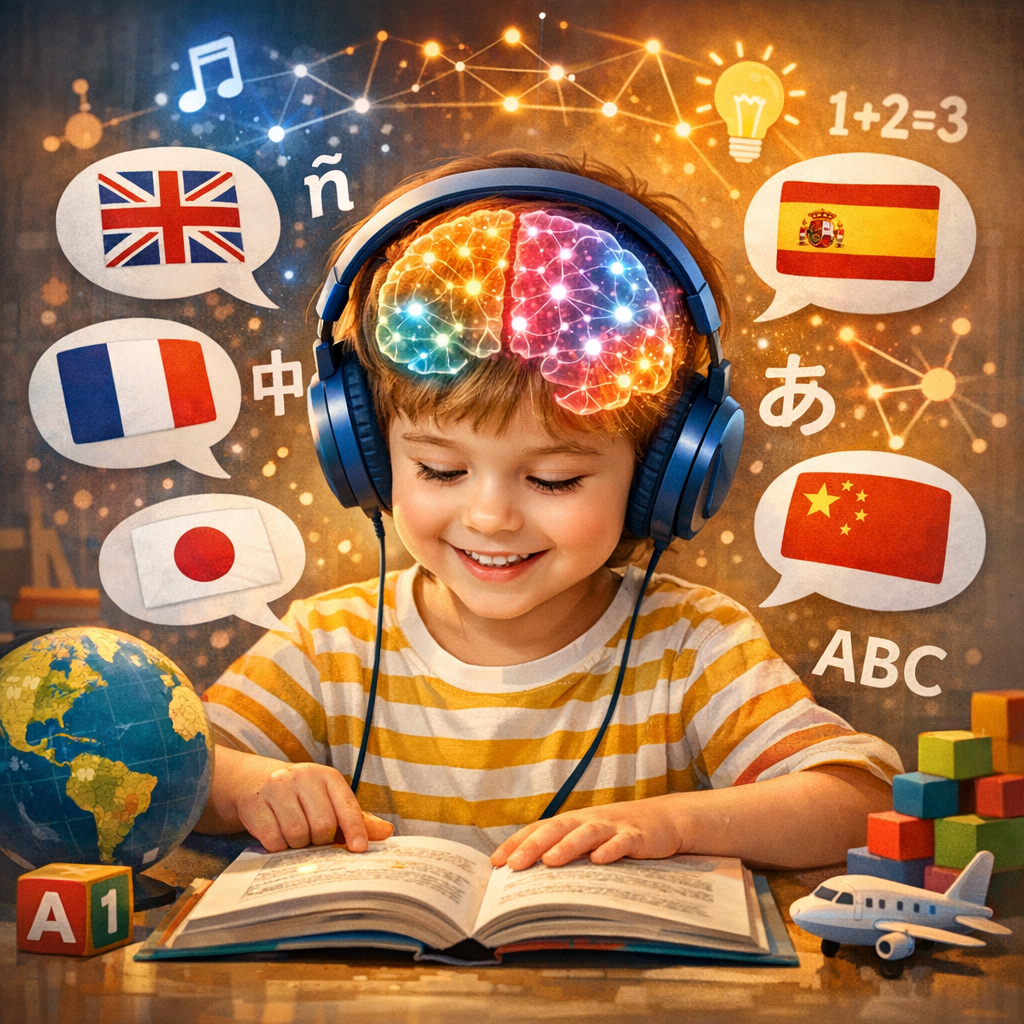
Understanding Cognitive Advantages
A multilingual brain is not just a linguistic asset but a cognitive powerhouse. Studies have shown that multilingual children often have better attention spans and cognitive flexibility. This means they can switch between tasks more efficiently and concentrate better, which are crucial skills for academic success.
– Enhanced Executive Function: Multilingualism strengthens the brain’s executive function, responsible for managing complex tasks and problem-solving.
– Improved Memory: Learning multiple languages boosts memory retention, aiding in learning other subjects and daily activities.
Brain Development and Neuroplasticity
The human brain is remarkably adaptable, especially during the formative years of childhood. This concept, known as neuroplasticity, allows children to absorb new languages with ease. A multilingual environment provides consistent mental stimulation, enhancing brain plasticity and encouraging the development of new neural connections.
– Increased Neural Connectivity: Children learning multiple languages develop richer neural networks, enhancing overall brain function.
– Protective Against Cognitive Decline: Studies suggest that multilingual individuals have a lower risk of cognitive decline, making early language exposure beneficial for long-term brain health.
For more insights on effective learning strategies, check out our guide to enhancing cognitive skills.
Emotional and Social Benefits of Multilingualism
Cultural Awareness and Empathy
When children learn multiple languages, they’re not just acquiring a new way to communicate; they’re also exposed to different cultures and perspectives. This exposure fosters empathy and cultural awareness, helping children to understand and appreciate diversity from an early age.
– Broader Worldview: Multilingual children can better appreciate cultural nuances, making them more empathetic and open-minded.
– Enhanced Social Skills: Interaction in multiple languages can improve communication skills, boosting confidence and social competence.
Building Emotional Intelligence
A multilingual environment encourages children to express emotions in various linguistic contexts, enhancing their emotional intelligence. This ability to articulate feelings across languages can lead to more profound personal insights and relationships.
– Improved Self-Expression: Multilingual kids often have a deeper emotional vocabulary, aiding in self-expression and emotional regulation.
– Resilience and Adaptability: Facing and overcoming language barriers can make children more resilient and adaptable to different social situations.
Explore our resources on emotional development for more guidance.
Strategies for Raising Multilingual Kids
Immersive Language Exposure
Creating a language-rich environment is key to nurturing a multilingual brain. Immersion doesn’t mean formal lessons alone; it encompasses everyday interactions using the target languages.
– Storytelling and Reading: Regularly read books in multiple languages to your child, making language learning interactive and fun.
– Music and Songs: Incorporate songs in different languages, which can be a playful way to expose children to varied linguistic sounds and rhythms.
Language Games and Apps
Incorporating games and technology can make language learning engaging and effective. Interactive learning tools like the Brain Baba Kids Learning App offer child-friendly activities designed to nurture language skills.
– Download the app for kids to provide an enjoyable learning experience that introduces different languages through play.
– Board Games and Puzzles: Introduce bilingual versions of popular games, enhancing vocabulary in context.
Consistent Practice and Support
Consistency is crucial for language retention. Engaging with native speakers and practicing regularly strengthens language skills.
– Language Exchange Programs: Participate in community groups where children can practice languages with peers.
– Family Language Plan: Establish a routine where family members converse in different languages on specific days or activities.
Discover more strategies for language engagement to help your child thrive.
Addressing Common Multilingual Myths
Myth 1: Multilingualism Causes Confusion
One major misconception is that learning multiple languages can confuse children. Research refutes this, showing that children naturally separate languages and benefit cognitively.
– Clear Language Boundaries: Encourage consistent use for specific purposes, helping children delineate between languages naturally.
Myth 2: It Delays Language Development
Another myth is that multilingualism delays speech. While some multilingual children might initially mix languages, it doesn’t equate to a developmental delay.
– Balanced Exposure: Ensure balanced language exposure to prevent dominant language preferences, which are natural but manageable.
Myth 3: Only Native-like Fluency Matters
Parents often worry that without fluency, multilingualism is pointless. Yet, functional competence in multiple languages still confers intellectual and social benefits.
– Celebrate Progress: Focus on progression rather than perfection, encouraging children to embrace their multilingual identity.
Our article on debunking language myths provides more clarity on common concerns.
Evaluating Multilingual Education Options
Choosing the Right School or Program
Selecting a school or program that supports multilingual education is vital for sustained language acquisition.
– Multilingual Curriculum: Look for programs that integrate languages naturally into daily activities rather than as separate subjects.
– Qualified Teachers: Experienced educators in multilingual classrooms can effectively support language development.
Home Schooling and Tutoring
For some families, home-schooling or tutoring might be preferable, offering tailored education that aligns with their language goals.
– Customizable Learning Plans: Design personalized curricula that cater to individual learning speeds and interests.
– Access to Resources: Utilize online platforms and community resources to supplement language education.
Explore our comprehensive guide on educational choices for more tips.
FAQs about Raising a Multilingual Child
How does being multilingual impact cognitive development?
Multilingualism enhances cognitive abilities, including memory, problem-solving skills, and attention spans. These skills support overall academic achievement and adaptability.
At what age should I start teaching my child multiple languages?
Early exposure is beneficial, but it’s never too late. The early years are optimal for natural acquisition due to the brain’s heightened plasticity.
Will learning multiple languages delay my child’s speech?
While initial language mixing may occur, it is a normal part of developing multilingual skills and usually resolves with time and practice.
Can adults help reinforce language learning at home?
Absolutely! Regular interaction, storytelling, and engaging with cultural content can significantly reinforce what children learn in formal settings.
What resources are available for parents to encourage multilingualism?
Tools like the Brain Baba Kids Learning App and community language programs can provide structured yet fun ways to support multilingual education.
Conclusion: Embrace the Multilingual Journey
Understanding and supporting the development of a multilingual brain is a unique way to prepare children for a globalized future, enriched by diverse cultures and languages. With the benefits ranging from cognitive and social enhancements to cultural empathy, encouraging the learning of multiple languages early on is a gift that offers lifelong rewards.
Take the next step in nurturing your child’s multilingual abilities. Explore our resources, engage with interesting language tools, and start reaping the benefits of a multilingual lifestyle today!