Respect Nature: Must-Have Tips for Raising Green Kids Effortlessly
In today’s rapidly changing world, raising environmentally conscious children is more important than ever. Encouraging your kids to respect nature ensures they develop an understanding of the environment and empowers them to make sustainable choices. This article provides parents and educators with comprehensive, actionable tips on nurturing green habits in children.
Understanding the Importance of Respecting Nature
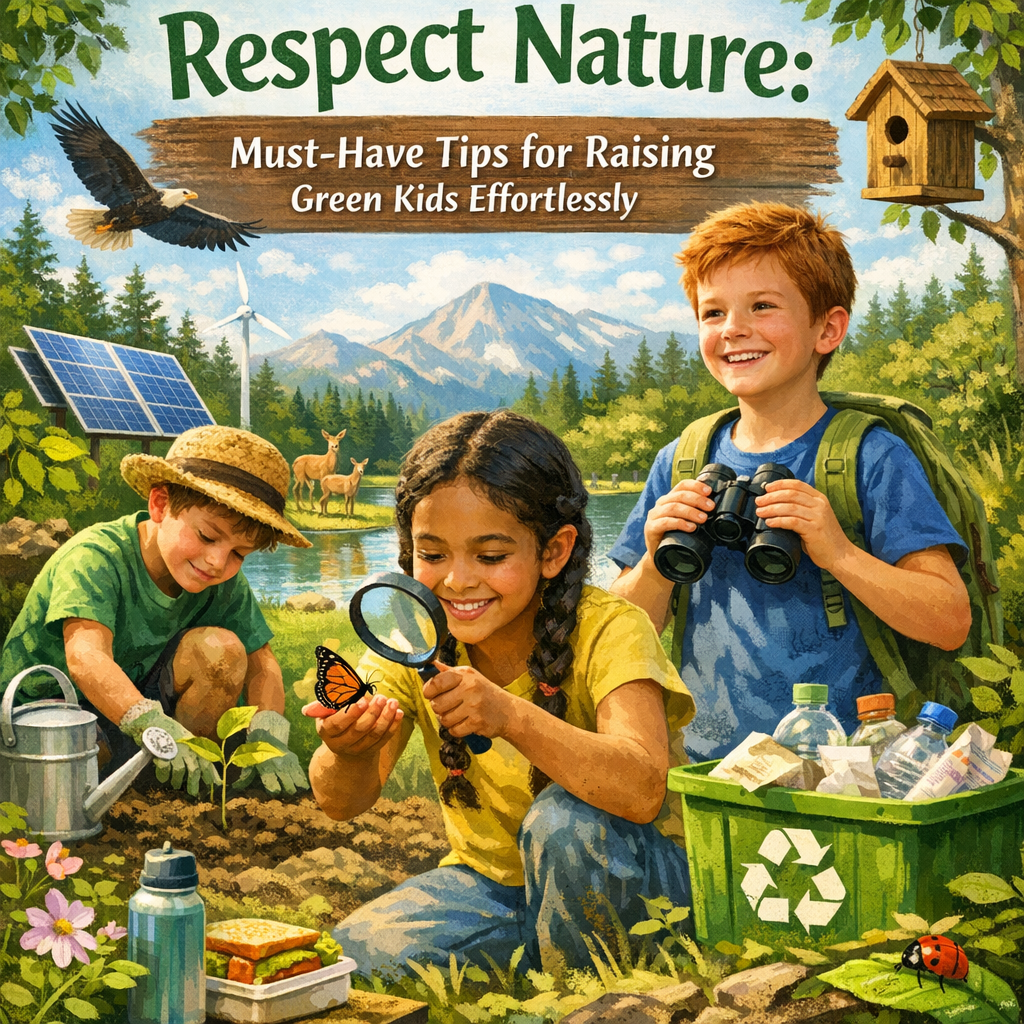
Respecting nature goes beyond simple recycling or conservation. It’s about instilling a mindset in children that values the environment, appreciates its beauty, and understands its fragility. By teaching kids to be environmentally responsible, we equip them with the knowledge and skills to make positive impacts on the planet.
Why Teaching Kids to Respect Nature Matters
– Environmental Awareness: Understanding how daily actions affect the natural world.
– Empathy Development: Fostering a sense of stewardship and responsibility.
– Health Benefits: Encouraging outdoor activities that improve physical and mental well-being.
The Role of Parents and Educators
Parents and educators play a crucial role in shaping a child’s respect for nature through:
– Role Modeling: Demonstrating sustainable practices.
– Education: Providing insights into environmental issues.
– Engagement: Encouraging active participation in green activities.
Tips for Raising Environmentally Conscious Kids
1. Foster a Love for Nature
Nurturing a genuine love for nature in children lays the foundation for lifelong environmental responsibility.
Explore the Outdoors Regularly
Take your kids on frequent nature walks, hikes, or camping trips. Experiencing diverse ecosystems firsthand fosters curiosity and admiration for the natural world.
Encourage Nature Journaling
Help your children maintain a nature journal. They can document their observations, sketches of plants or animals, and reflections on their outdoor experiences.
2. Educate with Environmental Stories
Books and storytelling are powerful tools in teaching young minds.
Select Eco-Friendly Books
Choose children’s books with strong environmental messages. Some popular picks include:
– “The Lorax” by Dr. Seuss
– “The Adventures of a Plastic Bottle” by Alison Inches
Interactive Storytelling
Incorporate role-playing or puppet shows to bring environmental stories to life. This engages children in the storyline and helps them internalize the messages.
3. Introduce Sustainable Practices at Home
Transform your household into a sustainability hub with practices that kids can easily adopt.
Waste Reduction Techniques
– Recycle and Compost: Set up a recycling station and teach kids how to sort waste. Compost kitchen scraps together.
– Reduce Single-Use Plastics: Use reusable bags, water bottles, and lunch containers.
Energy Conservation Lessons
– Turn off lights and electronics when not in use.
– Discuss the importance of reducing energy usage and its impact on the planet.
4. Get Involved in Community Green Initiatives
Participation in community-driven environmental efforts enhances civic responsibility.
Join a Local Cleanup
Participate in organized cleanup events. Involve kids in picking up litter at local parks or beaches.
Support Urban Gardening
Start a community garden or contribute to one. Let children plant and care for various vegetables and flowers.
5. Use Technology Wisely
Technology can be an ally in educating children about respecting nature.
Educational Apps
Explore interactive apps like the Brain Baba Kids Learning App for eco-friendly learning activities or environmental trivia.
Encourage Digital Cleanups
Teach children about the environmental footprint of digital storage. Conduct regular “digital cleanups” by deleting unnecessary files and emails.
6. Connect Science and Nature
Linking scientific principles to real-world environmental scenarios enhances understanding and interest.
Conduct Eco-Experiments
Perform simple experiments at home:
– Water cycle simulations
– Plant growth comparisons under different conditions
Visit Science Museums
Frequent visits to science museums with interactive exhibits on ecosystems or renewable energy can be enlightening.
7. Discuss Environmental Issues Openly
Engage in age-appropriate conversations about current environmental challenges.
Use Visual Aids
Utilize documentaries or videos to illustrate issues like deforestation or ocean pollution. Make use of the site’s related content, such as guides on “How to Talk to Kids About Climate Change.”
Encourage Critical Thinking
Promote discussions where children can express their views and brainstorm solutions to environmental problems.
FAQs on Raising Green Kids
How can I make environmental education fun for my child?
Engage your child with interactive activities such as nature scavenger hunts, DIY recycling projects, or visiting local environmental fairs. Use gamified learning platforms to keep them interested.
What is the best age to start teaching kids about respecting nature?
It’s never too early to start. Introduce nature-related concepts as soon as they can understand language. Tailor complexity to their age and comprehension level for better engagement.
How do I balance technology use with nature exploration?
Set specific times for using technology and balanced outdoor activities. Use apps and digital tools that focus on environmental education to maximize learning without excessive screen time.
Are there ways to involve older kids in environmental efforts?
Encourage them to lead projects such as school recycling programs or start advocacy groups. Older children can also mentor younger ones, sharing their knowledge and enthusiasm for sustainability.
How can I incorporate environmental themes into my child’s school projects?
Guide children to choose project topics focusing on local wildlife, ecosystem conservation, or sustainable practices. Provide them with resources such as environmental documentaries or visits to natural reserves for further learning.
Conclusion
Raising green kids who respect nature is a rewarding journey that benefits both the children and the planet. By fostering environmental awareness, empathy, and responsible habits from an early age, parents and educators can cultivate a new generation of eco-conscious individuals. Take action today and start incorporating these tips into your daily routine. Encourage your community to engage in environmentally friendly activities and continue exploring our site for more resources on sustainable parenting. Let’s work together to empower our children to become proactive stewards of our planet.