Diversity Inclusion: Must-Have Tips for Raising Tolerant Kids
In today’s globalized world, the importance of diversity inclusion is paramount, especially when it comes to raising tolerant kids. Children who understand and appreciate diversity from a young age are better equipped to thrive in a multicultural society. This comprehensive guide will provide parents and educators with actionable tips to nurture inclusive, empathetic individuals.
Understanding Diversity and Inclusion
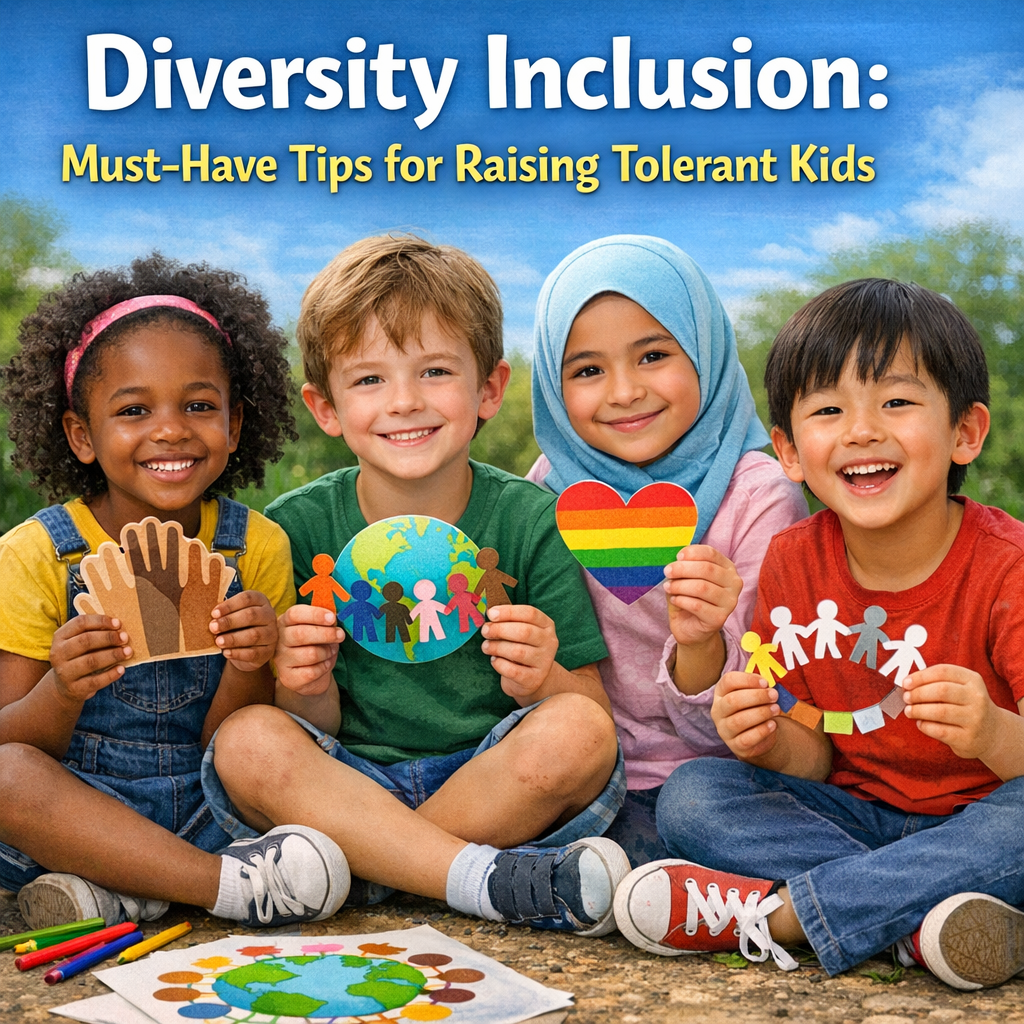
What is Diversity and Inclusion?
Diversity refers to the variety of differences among people, including culture, race, ethnicity, gender, and more. Inclusion, on the other hand, involves creating environments where all individuals feel valued and integrated into a community. Together, they form the basis for a harmonious society.
Why is Raising Tolerant Kids Important?
Fostering tolerance in children helps reduce prejudice and discrimination. Tolerant children are more likely to become compassionate, respectful, and open-minded adults. This foundation can lead to stronger, more inclusive communities.
Introducing Diversity at Home
Start with Cultural Awareness
Introduce your children to different cultures and traditions. This can be achieved through:
– Books and Stories: Choose diverse books that include characters from different backgrounds. Reading about various customs and perspectives can open dialogues about diversity.
– Cultural Celebrations: Participate in or learn about festivals from other cultures. This hands-on approach can enhance understanding and respect.
Discussing Differences
Normalize conversations about differences. Encourage curiosity and questions about diversity to help your child understand the world around them.
– Emphasizing Similarities and Differences: Explain that while people may look or act differently, they often share similar feelings and aspirations.
– Positive Language: Use inclusive language and avoid stereotypes. Teach your child to speak kindly about others.
Strategies for Educators
Incorporate Diversity in Curriculum
Creating a diverse curriculum is crucial for fostering an inclusive classroom environment.
– Diverse Teaching Materials: Use textbooks and resources that represent a wide range of perspectives.
– Inclusive Classroom Activities: Implement projects that encourage students to explore and present on various cultures and histories.
For more strategies on cultivating inclusive classrooms, explore our Classroom Inclusion Techniques.
Encourage Open Discussions
Create a safe space for students to express their views and ask questions.
– Classroom Discussions: Facilitate conversations about current global events and their implications on diversity and inclusion.
– Debate and Dialogue: Organize debates that require students to consider multiple viewpoints.
Leveraging Technology in Teaching Diversity
Educational Apps for Kids
Utilize technology to make learning about diversity more engaging.
– Interactive Learning: Apps like the Brain Baba Kids Learning App offer interactive experiences, introducing children to diverse cultures and histories through games and stories.
Virtual Exchange Programs
Encourage participation in virtual exchange programs that connect students from different countries. This firsthand experience can significantly enhance cultural awareness and empathy.
Experiential Learning Opportunities
Travel and Exploration
Traveling provides children with firsthand experiences of diverse cultures.
– Field Trips: Organize visits to cultural museums and heritage sites.
– Cultural Immersion Programs: Participate in programs that offer immersive experiences in different communities.
Hosting Exchange Students
Consider hosting an exchange student or participating in a cultural exchange program to give your child a deeper understanding of diversity within a home setting.
Encouraging Empathy and Compassion
Volunteerism and Community Service
Community service projects are excellent tools for teaching empathy and compassion.
– Local Service Projects: Involve your child in local volunteer opportunities, such as food banks or neighborhood clean-up days.
– Global Volunteerism: For older children, consider global service projects that emphasize humanitarian efforts worldwide.
Role-Playing Scenarios
Use role-playing to teach empathy. Simulating real-world situations where your child must navigate differences can build understanding and compassion.
Navigating Challenges in Raising Tolerant Kids
Addressing Bias and Prejudice
It’s important to confront bias and prejudice head-on. Encourage your child to recognize and address stereotypes in media and everyday life.
– Critical Thinking Skills: Teach your child to question and analyze the information they receive.
– Constructive Conversations: Role-model how to have difficult conversations around prejudice.
Handling Peer Influence
Peer influence can strongly affect a child’s perception of diversity. Discuss the importance of standing up for what is right, even in the face of peer pressure.
– Confidence Building: Encourage your child to express their values confidently.
– Support Networks: Cultivate a supportive circle of friends and mentors who value diversity.
Fostering Long-term Commitment to Inclusion
Set an Example
Model inclusive behavior as an adult. Children learn a great deal from observing their parents and teachers.
– Inclusive Language and Behavior: Consistently use inclusive language and demonstrate respect for all individuals.
– Continued Learning: Make diversity inclusion a lifelong learning journey. Share your learning experiences with your child.
Promote Lifelong Curiosity
Instill a love of learning in your child. Encourage them to continually explore and understand new cultures and perspectives throughout their life.
– Learning Resources: Provide access to books, documentaries, and online courses that emphasize diversity inclusion.
– Discussion and Reflection: Regularly discuss what they’ve learned and how they can apply these lessons in their daily life.
FAQs about Diversity Inclusion for Kids
How can I encourage my child to embrace diversity?
Speak openly about differences and similarities, provide access to diverse resources, and model inclusive behavior. Encourage curiosity and understanding without judgment.
What if my community lacks diversity?
Utilize online resources and literature to introduce your child to diverse cultures and ideas. Consider connecting with communities or groups online that represent various backgrounds.
How do I handle a situation where my child encounters discrimination?
Discuss the experience openly and empathize with their feelings. Teach them how to respond calmly and assertively, reinforcing the importance of standing up for themselves and others.
Can diversity education impact academic achievement?
Yes, diverse educational environments can enhance critical thinking, creativity, and problem-solving skills, benefitting overall academic performance. For more on academic benefits, visit our Educational Impact of Diversity.
What resources can help discuss diversity with young children?
Use age-appropriate books, apps like the Brain Baba Kids Learning App, and engaging videos to introduce complex topics in an understandable way.
Conclusion
Raising tolerant kids through diversity inclusion is a vital investment in the future. By fostering an environment rich in empathy, understanding, and appreciation for differences, we prepare our children to contribute positively to an increasingly interconnected world. Start today by implementing the tips and strategies outlined in this guide to nurture a more inclusive outlook in the next generation.
For more insightful articles on nurturing inclusive, empathetic children, explore our resources on Building Empathy in Children and Global Citizenship for Kids.
Your journey towards raising tolerant kids begins now. Engage with the ideas shared here and make a difference—not just in your child’s life, but also in the global community.