Value Diversity: Empower Your Kids with Inclusive, Effortless Techniques
In today’s interconnected world, understanding and embracing diversity is more crucial than ever. Teaching children to value diversity from a young age can shape them into empathetic, respectful, and culturally aware individuals. With the right techniques, this learning experience can be both inclusive and effortless. This comprehensive guide will provide actionable strategies to help parents and educators infuse diversity into children’s lives naturally.
Understanding the Importance of Valuing Diversity
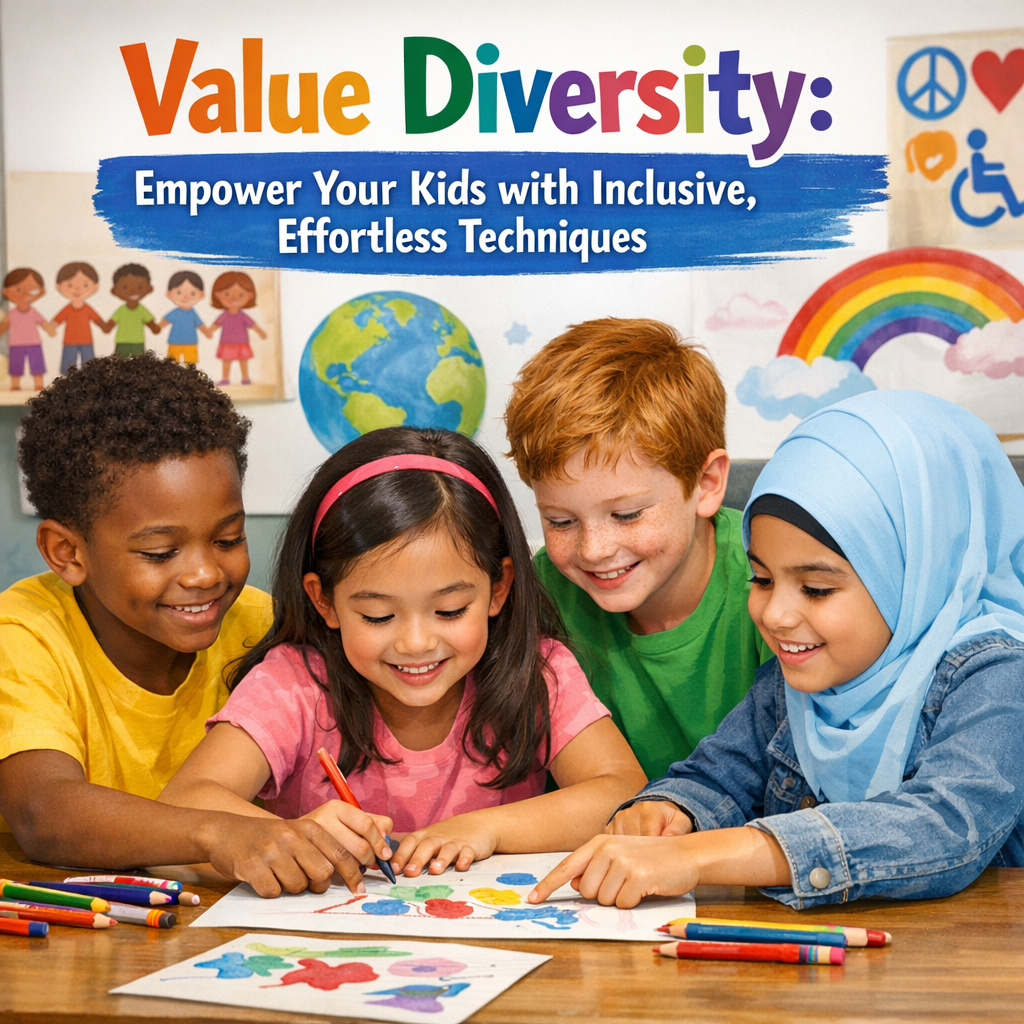
Diversity enriches our communities by introducing a range of perspectives and experiences. When children learn to value diversity, they:
– Develop empathy and compassion.
– Enhance their cognitive skills through diverse perspectives.
– Prepare for success in a multicultural world.
At its core, valuing diversity encourages children to recognize and celebrate differences rather than fear them. It lays the foundation for strong relationships and a more inclusive society.
Creating an Inclusive Environment at Home
Creating an inclusive space is the first step towards teaching kids about diversity. Here’s how you can start:
Talk Openly About Differences
– Encourage Questions: Create a safe space where children feel comfortable asking questions about race, culture, and differences.
– Use Books and Media: Utilize diverse books and media to introduce various cultures and lifestyles. Featuring characters from different backgrounds can help children relate more easily.
Celebrate Cultural Traditions
– Host Cultural Nights: Invite family or friends from different backgrounds to share their traditions, stories, and food.
– Language Learning: Introduce kids to basic phrases from other languages to spark interest in different cultures.
Model Respectful Behavior
Children learn by observing adults. Demonstrate respect and inclusivity daily by:
– Using Inclusive Language: Make an effort to use language that reflects diversity.
– Acknowledging Bias: Discuss personal biases and ways to overcome them.
Incorporating Diversity in Education
Schools play a pivotal role in fostering diversity. Here’s how educators can integrate inclusivity effortlessly into their teaching.
Diverse Curriculum
– Inclusive Lesson Plans: Embed diverse histories and perspectives into lesson plans. Include authors, scientists, and leaders from various backgrounds.
– Celebrate Multicultural Events: Recognize international days and festivals as part of the school calendar to broaden students’ understanding.
Collaborative Projects
– Group Work: Encourage group activities that require collaboration among diverse students. This nurtures teamwork and empathy.
– Peer Teaching: Allow students to take turns teaching about their culture or family traditions, empowering them as educators.
Create a Safe Space
– Open Dialogue: Establish an open dialogue policy where students can express themselves without judgment.
– Conflict Resolution: Train students in conflict resolution with a focus on understanding and valuing different viewpoints.
Leveraging Technology for Inclusive Learning
Technology offers unique opportunities to teach children about diversity in engaging ways.
Educational Apps
– Interactive Learning: Use educational apps designed to foster diversity awareness among children. The Brain Baba Kids Learning App is an excellent resource for interactive, multicultural learning.
Virtual Exchange Programs
– Global Classrooms: Connect with classrooms around the world through virtual exchange programs. This exposure grants students firsthand insights into different cultures.
– Online Resources: Utilize platforms offering diverse perspectives and cultural insights, enriching the educational experience.
Encouraging Community Involvement
Involvement in community activities can solidify lessons about diversity learned at home and school.
Volunteer Opportunities
– Local Initiatives: Participate in community events or charitable works that emphasize multicultural engagement and inclusivity.
– Cultural Festivals: Attend local cultural festivals to familiarize children with different traditions and communities.
Mentorship Programs
– Diverse Role Models: Facilitate mentorship relationships with individuals from various backgrounds who can share experiences and insights.
Engaging with Multicultural Media
Media plays a powerful role in shaping perceptions. By carefully curating your child’s media consumption, you can foster an appreciation for diversity.
Diverse Book Collection
– Book Club: Create a book club focused on multicultural stories. Discuss themes such as empathy and cultural pride.
– Library Visits: Regularly visit the library to access diverse content, encouraging continuous learning.
Movies and Music
– Movies from Around the World: Include international films in family movie nights to expose kids to different cultural narratives.
– Global Music: Integrate music from different cultures into daily life to celebrate diversity audibly.
Overcoming Challenges in Teaching Diversity
Teaching diversity might present certain challenges, but these can be managed with thoughtful strategies.
Addressing Stereotypes and Bias
– Critical Thinking: Cultivate critical thinking skills in children to question stereotypes and dispel myths.
– Role Play: Use role-playing activities to explore different scenarios around bias and diversity.
Encouraging Open-mindedness
– Mindfulness Practices: Introduce mindfulness exercises that teach children to be present and aware of their thoughts regarding diversity.
– Reflective Journaling: Encourage kids to maintain journals reflecting on their experiences and growth in understanding diversity.
FAQs on Inclusivity and Diversity in Childhood Education
How can I start discussing diversity with my child?
Begin by using everyday moments to talk about diversity. Introduce books and media featuring diverse characters and discuss differences as positive aspects of our world.
What are simple ways to include diversity in my child’s education?
Implement cultural days, diverse books, and inclusive lesson plans that highlight various histories and contributions. Encourage projects that involve collaboration among diverse peers.
Are there online resources or apps to help with teaching diversity?
Yes, there are numerous resources, including apps like the Brain Baba Kids Learning App, designed to offer interactive and multicultural content for children.
How can I address my child’s questions about differences?
Listen actively and provide honest, straightforward responses. Use questions as opportunities to teach them about respect and appreciation for diversity.
Why is it important for schools to focus on diversity?
Schools that emphasize diversity prepare students for a globalized world, improving empathy, conflict resolution skills, and creative thinking by exposing students to multiple perspectives.
Conclusion
Valuing diversity is an essential lesson that parents and educators must impart to children. By adopting inclusive and effortless techniques, we can raise a generation ready to navigate and enhance a multicultural world. Engage with your child’s learning journey, explore diverse resources, and cultivate an environment of acceptance and inclusivity. Start today by exploring apps like the Brain Baba Kids Learning App to further enrich your child’s understanding of the world around them. Make a conscious effort to incorporate these practices and watch as your child grows into a compassionate global citizen.