Cultural Awareness: Empower Global Kids with Fascinating Insights
In today’s interconnected world, raising culturally aware children is essential. Cultural awareness in global kids fosters empathy, understanding, and respect for diverse backgrounds, preparing them for a future where collaboration across cultures is commonplace. This comprehensive guide provides actionable insights to nurture cultural awareness in children, empowering them to thrive as global citizens.
The Importance of Cultural Awareness in a Globalized World
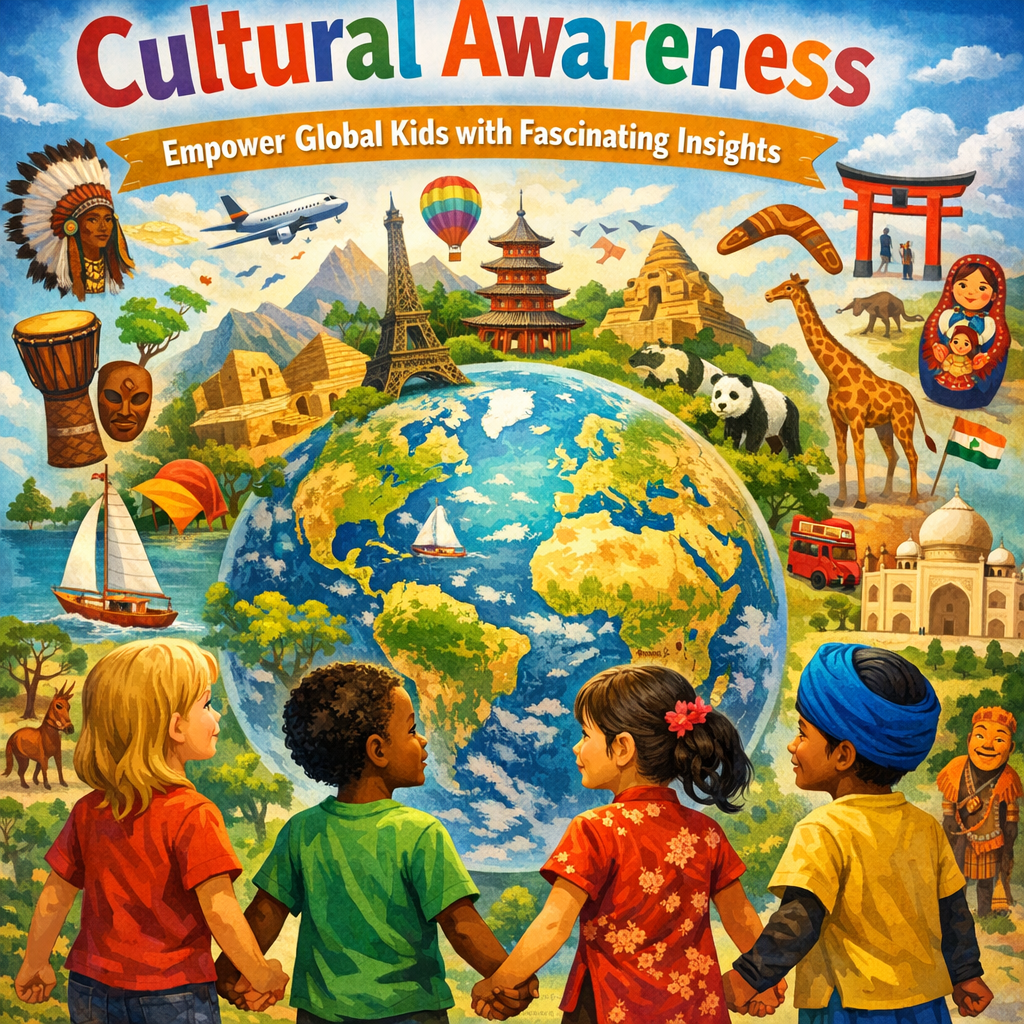
Understanding Cultural Awareness
Cultural awareness involves recognizing and respecting cultural differences while appreciating our global interconnectedness. For global kids, developing cultural awareness is crucial. It enables them to engage meaningfully with diverse communities, fostering mutual respect and cooperation.
Benefits of Cultural Awareness for Children
Helping children become culturally aware offers numerous benefits:
– Empathy and Respect: Children learn to empathize with others, appreciating different perspectives.
– Enhanced Communication Skills: Exposure to diverse languages and communication styles improves their ability to interact.
– Adaptability: Children become more flexible and open-minded.
– Global Citizenship: Being culturally aware encourages active participation in global society.
Implementing Cultural Awareness at Home
Creating a Multicultural Home Environment
One of the first steps in fostering cultural awareness is creating a home environment that celebrates diversity. Here’s how:
– Diverse Reading Material: Incorporate books and stories from various cultures into your child’s reading routine.
– Cultural Art and Decor: Display artwork and décor items from different cultures at home.
– Music and Media: Explore music, films, and shows from around the world together.
Celebrating Cultural Festivals
Participating in cultural festivals offers children firsthand experience of traditions and customs. Consider celebrating:
– Diwali and Lunar New Year: Learn about these celebrations and their significance.
– International Mother Language Day: Encourage your child to explore and appreciate different languages.
Educational Strategies to Foster Cultural Awareness
Incorporating Multicultural Education in Schools
Schools play a pivotal role in building cultural awareness among students:
– Curriculum Integration: Include studies about different cultures and histories.
– Language Classes: Offer language courses beyond the dominant regional languages.
– Exchange Programs: Facilitate student exchanges to immerse them in different cultural settings.
Using Technology to Enhance Learning
Technology provides vast resources to enhance cultural education:
– Virtual Tours: Explore global landmarks and historical sites virtually.
– Online Cultural Workshops: Participate in interactive workshops focused on international arts and crafts.
For tech-savvy learning, consider the Brain Baba Kids Learning App to introduce children to various cultural themes and languages in an engaging way.
Encouraging Global Travel for Cultural Exposure
Benefits of Traveling with Children
Traveling exposes children to real-life cultural experiences:
– Immersive Learning: Firsthand experiences of everyday life in different countries.
– Language Practice: Opportunity to practice foreign language skills in a natural context.
– Cultural Etiquette: Learning appropriate behavior and customs in different societies.
Planning Culturally Enriching Trips
When planning trips, consider destinations with rich cultural heritage:
– Museums and Historical Sites: Visit locations that offer cultural and historical insights.
– Local Experiences: Engage in workshops or community projects at your travel destination.
Using Storytelling to Teach Cultural Awareness
The Power of Cultural Stories
Stories are powerful tools for imparting cultural insights to children. Sharing folktales and mythologies from around the world can:
– Highlight Universal Values: Teach common values like kindness, courage, and honesty found across cultures.
– Foster Imagination: Spark curiosity and inspire an interest in learning more about diverse backgrounds.
Encouraging Children to Share Their Stories
Encourage children to narrate their own experiences and create cultural stories:
– Story Sharing Circles: Organize sessions where kids share stories about their own cultures or travel experiences.
– Digital Storytelling: Use apps to create digital stories incorporating images and sounds from their journeys.
The Role of Parents and Educators
Building a Supportive Community
Both parents and educators are crucial in cultivating cultural awareness:
– Discussion Forums: Create platforms for parents and educators to share multicultural resources and strategies.
– Workshops and Seminars: Attend events focused on teaching cultural awareness.
Leading by Example
Modeling openness and curiosity about other cultures sets a positive example for children:
– Lifelong Learning: Stay informed and curious about global events and cultures.
– Inclusive Language: Use language that shows respect and appreciation for cultural differences.
FAQ
What are some simple ways to promote cultural awareness at home?
To promote cultural awareness at home, introduce your children to multicultural books, videos, and music. Celebrate various international holidays, and cook traditional dishes from different cultures together.
How can teachers integrate cultural awareness into their curriculum?
Teachers can enhance cultural awareness by incorporating global perspectives into their lessons, organizing multicultural events, and encouraging students to share their cultural backgrounds through presentations and projects.
Why is cultural awareness important for children?
Cultural awareness helps children develop empathy, adaptability, and communication skills. It prepares them for interacting in a diverse world, fostering understanding and reducing prejudice.
How can technology aid in teaching cultural awareness?
Technology offers tools such as virtual tours, interactive language apps, and online cultural workshops that make learning about the world engaging and accessible to children.
What are some benefits of storytelling in cultural education?
Storytelling highlights universal human values and fosters imagination, helping children connect emotionally and intellectually with diverse cultures. It also boosts language skills and creativity.
Conclusion
Instilling cultural awareness in children equips them with the essential skills needed to navigate and contribute to an increasingly interconnected world. By embracing diversity through education, travel, technology, and storytelling, we can empower the next generation to become compassionate, understanding global citizens. Begin this journey today by integrating these strategies into your child’s everyday life, and together, let’s build a more inclusive future.
For further exploration, do not forget to check additional resources on our website, including articles on child development, educational strategies, and tips for parents. Take the first step in empowering your child by incorporating cultural awareness into their learning journey.