Teaching Empathy: Must-Have Tips for Raising Kind Kids Effortlessly
Empathy is an essential skill in our interconnected world, playing a crucial role in developing kind, compassionate individuals. Teaching empathy to children not only shapes their character but also influences their social interactions and problem-solving abilities. In this comprehensive guide, we explore effective tips and strategies for instilling empathy in kids effortlessly.
Why Teaching Empathy is Important
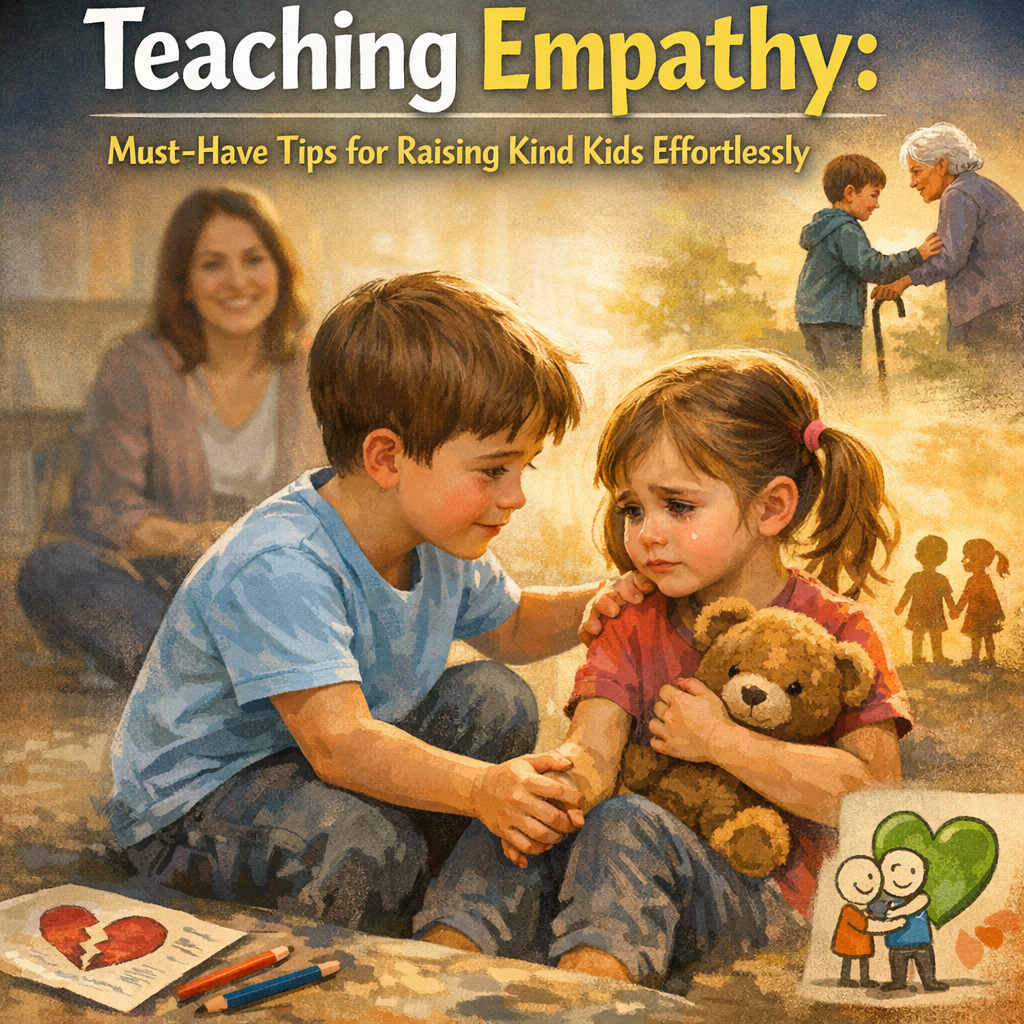
Empathy is the ability to understand and share the feelings of others. It’s a foundation for kindness and benevolence, qualities that help children connect with the world around them. Teaching empathy empowers children to:
– Develop strong relationships with peers and adults.
– Demonstrate compassion and kindness in everyday interactions.
– Navigate social conflicts with understanding and respect.
– Show resilience and adaptability in diverse environments.
Educators and parents play a pivotal role in fostering these skills, creating a more harmonious society one step at a time.
Fostering Empathy in Young Children
1. Lead by Example
Children are keen observers and often mimic adults’ behaviors. Demonstrating empathy in your daily interactions lays a concrete foundation for your children to follow. Practice kindness in your community, listen actively, and validate others’ feelings.
Actionable Tips:
– Engage in acts of kindness together, such as community service or helping a neighbor.
– Use empathetic language, acknowledging and validating your child’s emotions.
2. Use Storytelling as a Tool
Stories are powerful tools for teaching empathy. They provide perspectives and scenarios that children might not otherwise experience, helping them understand diverse feelings and reactions.
Suggestions:
– Choose books with empathetic characters and discuss them with your child.
– Encourage your child to create their own stories, emphasizing emotional understanding.
For more resources on engaging storytelling methods, check out our article The Art of Storytelling for Kids.
3. Encourage Emotional Expression
Helping children articulate their emotions is key to developing empathy. When children can express what they feel, they become more attuned to others’ emotions.
Steps to Encourage Emotional Expression:
1. Use an emotion chart to identify and label feelings.
2. Practice reflective listening by summarizing what your child says.
3. Discuss emotions during everyday situations, prompting them to consider how others feel.
For further techniques, see our guide on Enhancing Emotional Intelligence in Children.
Building a Kindness-Oriented Environment
4. Implement Kindness Challenges
Setting up challenges that encourage kindness can motivate children to act generously and reflect on their actions.
Ideas for Kindness Challenges:
– Create a “kindness jar” with ideas like “help a friend” or “share a toy.”
– Celebrate acts of kindness with rewards or family recognition.
5. Cultivate a Gratitude Practice
Gratitude helps children appreciate what they have and fosters compassion towards others. Developing this practice can lead to a more empathetic outlook.
Gratitude Practice Tips:
– Start a gratitude journal where children list things they are thankful for.
– Encourage gratitude-filled discussions during meals.
For deeper insights, explore our article Creating a Culture of Gratitude in Your Family.
Teaching Empathy Through Experience
6. Introduce Role-Playing Activities
Role-playing different scenarios allows children to experience perspectives and emotions they might not encounter in their daily life.
Role-Playing Scenarios:
– Play “a day in the life” where one child pretends to be in someone else’s shoes.
– Recreate scenarios from books or TV shows, discussing the characters’ feelings.
7. Utilize Technology Wisely
Incorporate apps that foster empathy through engaging and interactive methods. Educational apps can be valuable tools in teaching empathy when used appropriately.
App Recommendation:
Consider the Brain Baba Kids Learning App for fun and interactive empathy-building activities designed for children.
Addressing Challenges in Teaching Empathy
8. Overcome Resistance with Patience
Children may naturally resist efforts to change their behaviors. Approach any challenges with patience and persistence.
Approaches to Consider:
– Reinforce positive behaviors with praise and encouragement.
– Be consistent in your expectations and modeling of empathetic behavior.
9. Recognize and Address Bullying
Bullying undermines empathy and kindness. It’s essential to recognize early signs of bullying and address them effectively.
Steps to Combat Bullying:
1. Educate children on the impact of bullying.
2. Encourage open communication about school experiences.
3. Involve school authorities when necessary to ensure a safe environment.
FAQ Section
Q1: How can I help my child develop empathy if they are naturally reserved?
A1: Encourage participation in group activities that foster interaction. Gradually introduce them to situations that require cooperation and understanding, such as group projects or team sports.
Q2: Can empathy be taught effectively to children with special needs?
A2: Absolutely. Tailor your approach to suit individual needs, using visual aids, social stories, and interactive applications to reinforce empathetic behavior.
Q3: What role do schools play in teaching empathy?
A3: Schools offer a structured environment where empathy can be modeled and encouraged through group activities, collaborative projects, and discussions on social issues.
Q4: How do I handle disagreements about empathy with my child?
A4: Use disagreements as learning opportunities by discussing differing perspectives. Encourage your child to articulate their viewpoint while considering the feelings of others.
Q5: How can I measure my child’s progress in empathy development?
A5: Observe changes in behavior, such as increased willingness to help others and improved conflict resolution skills. Regularly discuss their experiences and reflections on emotional interactions.
Conclusion
Teaching empathy is an ongoing journey that requires dedication and consistency from parents and educators. By incorporating these strategies, we can nurture compassionate, kind-hearted individuals poised to make a positive impact on the world. Encourage empathy through daily actions, communication, and technology, and watch your children thrive in their social and emotional development.
Start implementing these tips today and witness the transformation in your child’s ability to connect with others and navigate the world with kindness. For more tips and resources, explore our related content on fostering kindness and emotional growth.