Recycled Art Projects: Inspiring Eco-Friendly Creativity for Kids
In today’s world, cultivating a sense of environmental responsibility in children is more critical than ever. One engaging way to foster this awareness is through recycled art projects. These eco-friendly kids’ activities not only ignite creativity but also teach valuable lessons about sustainability and resourcefulness. In this comprehensive guide, we’ll explore a variety of stunning recycled art projects your children will love, using long-tail keywords and practical tips to enhance both creativity and ecological awareness.
The Importance of Recycled Art for Kids
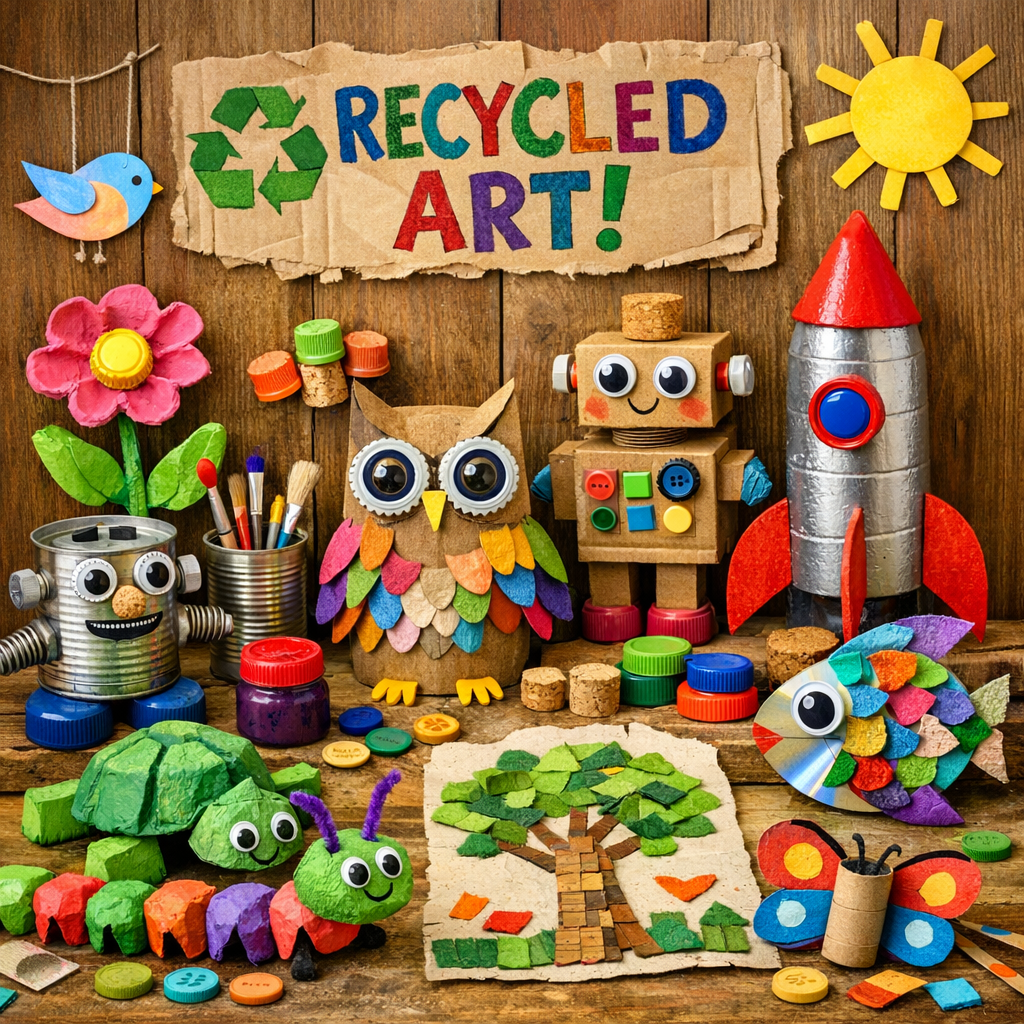
Integrating recycled art into your child’s routine has enormous benefits. These projects are not just about creativity—they foster important life skills and environmental stewardship. By using everyday items destined for the trash, children learn how to rethink and repurpose materials in innovative ways.
Benefits of Eco-Friendly Kids’ Art
– Creative Thinking: Encouraging children to look at a cardboard box as more than packaging opens a world of imagination.
– Environmental Awareness: Kids learn about waste reduction and the importance of recycling.
– Problem-Solving Skills: Transforming recyclable materials into art involves decision-making and planning.
– Fine Motor Skills Development: Cutting, gluing, and painting hone coordination and dexterity.
– Emotional Expression: Art provides a wonderful outlet for kids to express feelings and ideas.
Getting Started with Recycled Art Projects
Before diving into specific projects, it’s essential to gather the necessary materials. A well-stocked collection of recyclables will make spontaneous crafting sessions easier and more enjoyable.
Essential Materials for Recycled Art Projects
1. Cardboard Boxes: Perfect for building and creating 3D structures.
2. Plastic Bottles and Lids: Useful for making everything from plant pots to rocket ships.
3. Paper Towel Rolls: These are great for telescopes or animal figures.
4. Scrap Paper and Magazines: Ideal for collage work.
5. Bottle Caps: Can be used for mosaics or wheels.
6. Fabric Scraps: Textiles add texture and variety.
Organizing these materials in bins or baskets will help keep things tidy and accessible. Ensure all non-paper materials are washed and cleaned thoroughly before use.
Inspiring Recycled Art Projects for Kids
Let’s explore some exciting projects that transform recycled materials into stunning art. Each project is designed to enhance creativity while teaching valuable lessons about eco-friendliness.
1. Cardboard Cityscape
Creating a cardboard cityscape is a fantastic way for kids to engage with urban design concepts, all while learning about recycling.
Steps:
– Gather different-sized cardboard boxes and cut them into various shapes to represent buildings.
– Use paints and markers to decorate the buildings with windows, doors, and other details.
– Arrange the buildings to create a city layout on a large piece of cardboard.
– Add trees or cars made from paper towel rolls and bottle caps.
This project not only enhances spatial awareness but also encourages children to consider the broader environment.
2. Plastic Bottle Planters
Teaching children to make planters from plastic bottles combines recycling with gardening education.
Steps:
– Cut a plastic bottle in half and decorate the outer part with colorful paints.
– Punch a few drainage holes at the bottom of the planter.
– Fill the planter with soil and plant seeds or small plants.
– Place on a windowsill, and watch the plants grow.
This project gives kids a sense of responsibility as they care for their plants and observe the growth process.
3. Newspaper Collage Art
Creating art from newspapers develops appreciation for different textures and patterns while practicing collage techniques.
Steps:
– Tear newspapers into different sizes and shapes.
– Paste them onto a large paper or canvas to form images or abstract designs.
– Incorporate additional materials like fabric scraps or magazine clippings.
This activity enhances artistic skills and recognizes the potential of even the most humble materials.
4. Bottle Cap Mosaics
This project is perfect for developing fine motor skills and pattern recognition in children.
Steps:
– Collect a variety of colorful bottle caps.
– Arrange them on a piece of cardboard or wood to create patterns or images.
– Glue them in place to finalize the mosaic design.
Children will learn about shapes, symmetry, and artistic composition while repurposing waste materials.
5. Egg Carton Animals
Transforming egg cartons into adorable animal figures is both fun and educational.
Steps:
– Cut individual cups from an egg carton and decorate them with paint or markers.
– Use pipe cleaners, googly eyes, and fabric scraps to add details like ears or tails.
– Encourage kids to create a zoo or a farm with their animal creations.
This project enhances creativity and helps children explore the diversity of animal life.
Relating Recycled Art to Broader Learning
Art can be a gateway to other educational subjects. Here’s how to integrate lessons from recycled art projects into various learning domains:
Science and Environment
– Understand Recycling Processes: Teach children how various materials are recycled and their environmental impact.
– Discuss Ecosystems: Relate animal or plant projects to real-world ecosystems.
Mathematics
– Geometry and Measurement: Use geometric shapes in mosaic patterns or cityscapes.
– Counting and Sorting: Organize art materials by color, size, or type.
Language Arts
– Descriptive Language: Encourage children to describe their artwork verbally or in writing.
– Storytelling: Create stories about the characters or scenes they make with their art projects.
Encouraging Community Engagement
Consider involving a broader community in recycled art projects to enhance social skills and collaborative learning.
Hosting Art Fairs or Exhibitions
Showcase the children’s work by hosting a community art fair. This not only gives them a proud moment but also spreads environmental awareness in the community.
Collaborative Projects
Organize group projects where children work together to build larger installations from recycled materials. This teaches teamwork and the power of collective effort.
External Resource for Further Learning
For parents and educators seeking additional educational tools, consider exploring the Brain Baba Kids Learning App. This app offers a variety of learning resources that complement hands-on activities, fostering holistic development in children.
Frequently Asked Questions
What types of materials are best for recycled art projects?
Common household items like cardboard, plastic bottles, paper towel rolls, newspapers, and bottle caps are excellent materials for recycled art projects. They are readily available, safe, and versatile.
How do recycled art projects benefit children environmentally?
These projects teach children the importance of recycling and sustainability. By using materials that would otherwise be wasted, children learn to value resources and understand the impact of waste on the environment.
Can recycled art projects be integrated into school curricula?
Absolutely! Recycled art projects align well with subjects like science, math, and art. They offer practical applications of theoretical concepts and provide hands-on learning experiences.
How can I encourage creativity in my child’s art projects?
Provide a variety of materials and encourage experimentation. Allow children to express their ideas freely without focusing too heavily on the final outcome. Celebrating their creative process is key.
Are there any online resources to guide recycled art projects?
Yes, websites, and educational apps like Brain Baba offer numerous ideas and detailed guides for recycled art projects. These resources can provide inspiration and step-by-step instructions for both parents and educators.
Conclusion
Recycled art projects are a compelling way to blend creativity with sustainability, empowering children to make a significant impact on their world. As they transform everyday items into beautiful works of art, they learn resourcefulness, responsibility, and the importance of protecting our planet. Get started today by gathering materials and diving into these inspiring projects. Encourage your child’s artistic journey and ecological awareness, making every creative moment count.
For more ways to engage kids in sustainable learning, explore additional projects and educational content available on our site. Join us in nurturing the next generation of environmentally conscious creators.